

Spider Veins After 50: What They Mean, When to Treat Them, and Why Circulation Matters

Table of Contents
- What Are Spider Veins?
- Why Spider Veins Become More Common After 50
- Are Spider Veins Just Cosmetic?
- What are the Modern Treatment Options?
- Preparing for Treatment
- Aftercare and Maintenance
- Prevention: Protecting Your Circulation
- Why Circulation Matters for Long-Term Independence
- When to Seek Medical Attention
- Looks and Function
You notice thin red or blue lines across your legs that weren’t there before. Maybe they don’t hurt. Maybe your legs feel heavier at the end of the day. Either way, you start to wonder whether this is simply cosmetic or a sign of something more.
For adults over 50, spider veins are common. Most are harmless. But changes in your veins can sometimes reflect broader circulation issues that affect mobility, comfort, and long-term independence.
Philip LoPresti, Board-Certified Surgeon and Vein Specialist in Connecticut at Metro Vein Centers.
It’s important to pay attention to new spider veins or persistent leg discomfort, as vein changes can sometimes affect how blood flows back to the heart. Understanding the possible causes, symptoms, and available treatments can help you address concerns early and support overall vein health. — Philip LoPresti, Board-Certified Surgeon and Vein Specialist in Connecticut at Metro Vein Centers.
Understanding what spider veins are and how they’re treated helps you make informed decisions about your health as you age.
What Are Spider Veins?
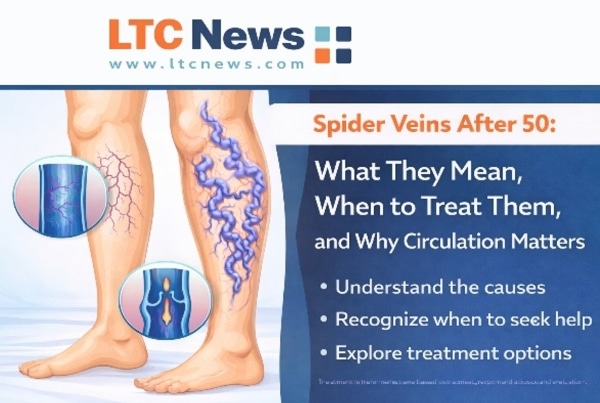
Spider veins are small, dilated blood vessels visible near the surface of the skin. They typically appear:
- Red, blue, or purple
- Flat and web-like
- On the legs or face
They differ from varicose veins, which are larger, raised, and sometimes painful.
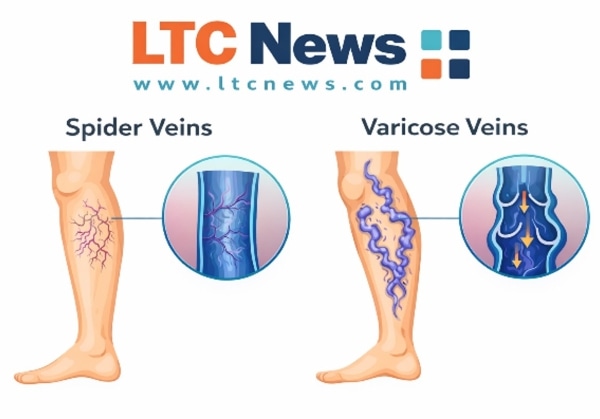
According to the Society for Vascular Surgery, vein problems become more common with age as vein walls and valves weaken. When valves do not function efficiently, blood can pool in the legs, increasing pressure and making veins more visible.
Why Spider Veins Become More Common After 50
Several age-related factors increase risk:
Natural Aging
Vein elasticity declines. Skin thins. Circulation slows slightly. All make small veins more noticeable.
Genetics
Family history plays a strong role in venous disease.
Hormonal Changes
Pregnancy, menopause, and hormone therapy can affect vein structure.
Lifestyle Factors
- Prolonged sitting or standing
- Limited physical activity
- Excess weight
- Sun exposure (especially on the face)
According to the National Heart, Lung, and Blood Institute (NHLBI), chronic venous insufficiency develops when leg veins cannot effectively return blood to the heart. Spider veins are often mild, but they may coexist with deeper vein dysfunction.
Are Spider Veins Just Cosmetic?
In many cases, yes. But not always.
Some people experience:
- Aching or heaviness
- Burning or itching
- Mild swelling
- Leg fatigue
If symptoms worsen—or if you develop skin discoloration, thickening, or open sores—you should seek medical evaluation. These signs may indicate chronic venous insufficiency.
Early evaluation can prevent progression.
What are the Modern Treatment Options?
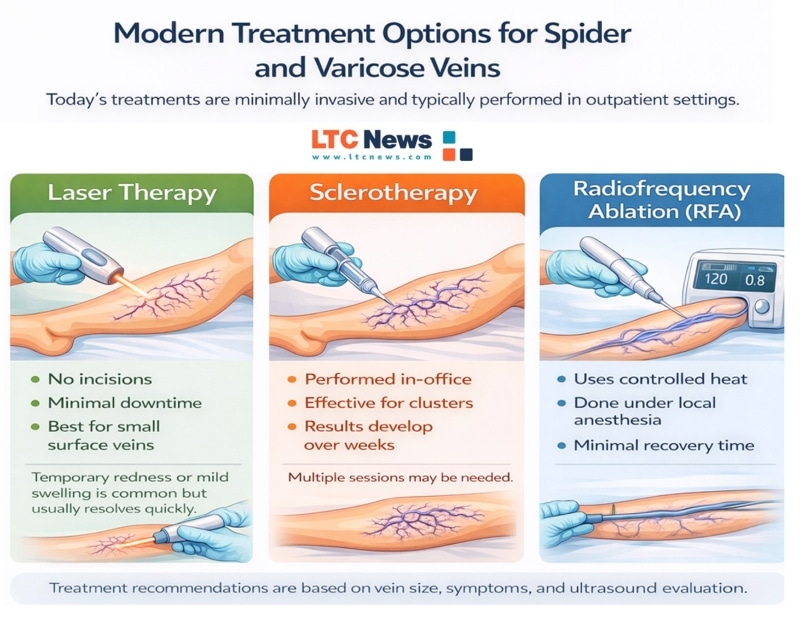
Today’s treatments are minimally invasive and typically performed in outpatient settings.
Laser Therapy
Laser treatment uses focused light energy to heat and close small veins. Over time, the body absorbs the treated vessel.
- No incisions
- Minimal downtime
- Best for small surface veins
Temporary redness or mild swelling is common but usually resolves quickly.
Sclerotherapy
Sclerotherapy remains a widely used treatment.
A physician injects a solution into the vein, causing it to collapse and fade.
- Performed in-office
- Effective for clusters
- Results develop over weeks
Multiple sessions may be needed.
Radiofrequency Ablation (RFA)
Radiofrequency ablation treats larger underlying veins that may be contributing to visible spider veins.
- Uses controlled heat
- Done under local anesthesia
- Minimal recovery time
This is typically reserved for more significant venous disease rather than cosmetic spider veins alone.
Preparing for Treatment
Preparing for spider vein treatment involves several steps to ensure a smooth procedure. Before treatment, your provider may:
- Review your full medical history
- Discuss medications, especially blood thinners
- Recommend avoiding certain supplements
- Perform ultrasound imaging to evaluate deeper veins
Wearing loose clothing and avoiding lotions on treatment day may also be advised.
Aftercare and Maintenance
After treatment, you may notice:
- Mild bruising
- Temporary discoloration
- Light swelling
Physicians often recommend:
- Wearing compression stockings
- Walking daily
- Avoiding strenuous activity briefly
- Staying hydrated
Some individuals require periodic maintenance, especially if genetics play a role.
Prevention: Protecting Your Circulation
While not all spider veins are preventable, healthy circulation habits help reduce risk:
- Walk daily to activate calf muscles
- Elevate legs periodically
- Maintain a healthy weight
- Avoid long periods of sitting
- Stay hydrated
- Quit smoking
Good circulation supports mobility—and mobility supports independence.
Why Circulation Matters for Long-Term Independence
As you age, small health issues can quietly affect bigger outcomes. Reduced mobility increases fall risk. Falls increase the likelihood of extended care needs, which, according to the U.S. Department of Health and Human Services, is significant by the time you reach age 65.
Medicare and traditional health insurance do not pay for extended long-term care beyond limited skilled rehabilitation. If circulation problems or mobility decline eventually require assistance at home or in a facility, planning matters.
Mobility is often described as the ‘gateway to independence.’ When seniors can move confidently, they are more likely to remain engaged in daily activities, manage personal care, and continue living in their homes. Conversely, limited mobility can quickly lead to isolation, increased risk of falls, and a decline in overall health. — Elliot Health System.
Maintaining vascular health is not just cosmetic. It supports strength, stability, and independence.
When to Seek Medical Attention
Seek medical care if you experience:
- Persistent swelling
- Sudden severe leg pain
- Skin thickening or darkening
- Non-healing sores
These may signal more advanced venous disease.
Looks and Function
Spider veins after 50 are common. Many are harmless and can be treated with minimally invasive procedures. But they can also serve as an early signal to pay attention to circulation and mobility.
Addressing small issues early helps protect long-term independence. When was the last time you evaluated not just how your legs look—but how well they function?
Being proactive with your health is important as you get into your 50s and beyond. Understanding how your health, body, and mind decline as you age will help you prepare for the consequences of aging.
Are you prepared? Long-term care costs are rising quickly, and being prepared will help you enjoy a better quality of life without draining your income and assets.
You can explore the cost of care in your area using the LTC News Cost of Care Calculator and compare extended care services in your community for older family members through the LTC News Caregiver Directory.
Long-Term Care Insurance will help you address these concerns - learn more - Long-Term Care Insurance Learning Center.