

Comprehensive Mental Health Care Improves Quality of Life for Older Adults


Table of Contents
- Depression and Anxiety Are Not a Normal Part of Aging
- What Comprehensive Mental Health Care Really Means
- Why Coordination Between Providers Matters
- Breaking the Stigma That Still Affects Older Generations
- The Link Between Mental Health and Physical Decline
- The Essential Role of Family Caregivers
- Mental Health, Long-Term Care, and Planning Ahead
- Practical Ways You Can Support Mental Health Now
- A Better Quality of Life Is Still Possible
You often feel it before you can explain it. A parent who once lingered over stories now answers with a few words. They sleep better after starting a new medication, but the spark that made them feel like themselves never quite comes back. Even simple routines like making breakfast, stepping outside, or returning a phone call all seem to take more effort than they used to.
Too often, mental health care for older adults barely scratches the surface. A prescription is handed over. A follow-up visit is penciled in. Those steps can matter, but on their own, they miss what aging really brings—the quiet losses, the physical changes, and the slow shift in identity and purpose. Meaningful care starts when treatment looks beyond a checklist of symptoms and centers on the person who carries them every day.
Comprehensive mental health care looks beyond a single diagnosis. It treats the whole person: mind, body, environment, and support system.
Finding the right professional will improve the quality of life for a loved one suffering from depression and other mental health issues. Comprehensive care combines medical, emotional, and social support to help older adults not only manage symptoms but also rebuild confidence, motivation, and connection.
To find the best professional, ask your doctor or search online for a mental health clinic in your area. For example, if you live in the Raleigh, North Carolina area, you can search, "mental health Raleigh" to find a professional who understands the unique challenges of aging.
A broader mental health approach is important for anyone with a mental health issue, especially for adults over 50, and it can make the difference between simply getting by and truly aging well.
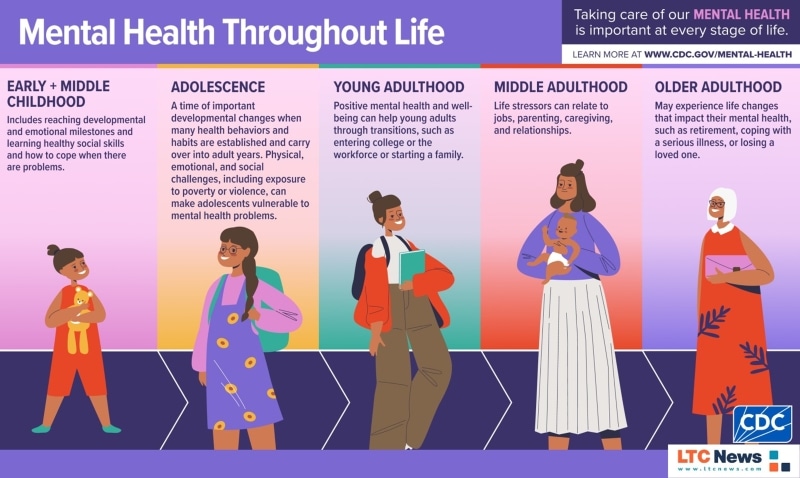
Depression and Anxiety Are Not a Normal Part of Aging
Depression and anxiety are common among older adults, but they are not an inevitable part of getting older. According to the National Institute of Mental Health, millions of adults over 65 experience depression each year, yet many never receive treatment.
Despite being so widespread, mental illness remains seriously underdiagnosed and undertreated in older people; two-thirds of older adults with mental health problems do not receive the treatment they need. — National Council on Aging (NCOA).
Symptoms are often overlooked or misunderstood. Older adults may downplay emotional distress, believing it is something they should endure.
Families may make mistakes by missing the warning signs for personality changes or early dementia.
Common red flags include:
- Withdrawal from family, friends, or hobbies
- Persistent sadness, irritability, or emotional numbness
- Changes in sleep or appetite
- Difficulty concentrating or remembering details
- Loss of purpose after retirement, illness, or the death of a spouse
Left untreated, depression and anxiety are associated with poorer outcomes for chronic illnesses such as heart disease and diabetes, according to the Centers for Disease Control and Prevention. Emotional health affects physical health, recovery, and independence.
Mental health is closely linked to physical health. For example, depression increases the risk for many types of physical, long-lasting (chronic) conditions like diabetes, heart disease, and stroke. Similarly, the presence of chronic conditions can increase the risk for developing a mental health condition. — CDC Mental Health Overview (CDC).
What Comprehensive Mental Health Care Really Means
Traditional mental health treatment often focuses on a single intervention. Comprehensive care takes a different approach. It recognizes that multiple, interconnected factors shape emotional well-being in later life.
A comprehensive model typically includes:
- Psychotherapy to address grief, trauma, anxiety, and life transitions
- Medication management with close monitoring to avoid side effects and drug interactions common in older adults
- Physical health oversight, since conditions like chronic pain, cardiovascular disease, or diabetes can worsen mental health symptoms
- Social engagement and community support to reduce isolation
- Family and caregiver involvement to support consistency and understanding
When these elements work together, older adults often experience improvements not only in mood but also in energy, cognition, and daily function.
Dr. Dilip Jeste, former president of the American Psychiatric Association and a leading geriatric psychiatrist, has emphasized that mental health in later life is strongly influenced by social connection and purpose, not just clinical treatment. His research has consistently shown that integrated care leads to better outcomes for older adults.
Many think about the meaning and purpose in life from a philosophical perspective, but meaning in life is associated with better health, wellness and perhaps longevity. — Dilip V. Jeste, MD, senior associate dean for the Center of Healthy Aging and Distinguished Professor of Psychiatry and Neurosciences at UC San Diego School of Medicine.
Why Coordination Between Providers Matters
Older adults often see multiple physicians. Without coordination, mental health symptoms can be missed or mismanaged.
In a collaborative care model, communication flows between:
- Primary care physicians
- Psychiatrists and psychologists
- Therapists and social workers
- Family caregivers
This teamwork allows providers to recognize medication side effects, address underlying medical issues, and adjust treatment plans quickly. It also reduces the risk of fragmented care, a common problem among older patients.
The Agency for Healthcare Research and Quality (AHRQ) notes that collaborative care models improve outcomes for depression and anxiety, particularly in older adults with complex medical needs.
Breaking the Stigma That Still Affects Older Generations
Many older adults grew up in an era when mental illness was rarely discussed. Seeking help was often viewed as a weakness or failure. That stigma still prevents many seniors from accepting care.
Older adults grew up in a time when mental health wasn’t talked about openly, and there’s still a fear of being labeled or judged. That stigma can make it harder for them to reach out for help even when they’re struggling. — Dr. Helen Lavretsky, Professor of Psychiatry and Biobehavioral Sciences, UCLA (quoted in Psychology Today, 2024).
Families play a critical role in changing this narrative. Framing mental health as part of overall wellness, no different from managing blood pressure or arthritis, can reduce resistance.
It is also important to reassure older adults that treatment does not mean losing independence. In many cases, addressing mental health early helps people remain independent longer by improving judgment, motivation, and daily function.
The Link Between Mental Health and Physical Decline
Mental and physical health are deeply connected. Depression is associated with higher rates of hospitalization and longer recovery times, according to CDC data. Anxiety can worsen sleep disorders, digestive problems, and cardiovascular symptoms.
Improving emotional well-being can lead to better adherence to medical treatments, improved nutrition, and a stronger immune response. While mental health care cannot prevent all age-related decline, it can reduce avoidable complications that accelerate loss of independence.
For families concerned about future long-term care needs, this connection matters. Untreated mental health conditions can hasten the need for assisted living or skilled care, especially when combined with physical illness.
Untreated depression may lead to loss of independent function, social isolation, cognitive impairment, emotional distress, and poor health outcomes in older adults. — Best Practices in the Management of Major Depression (Advances in Family Practice Nursing).
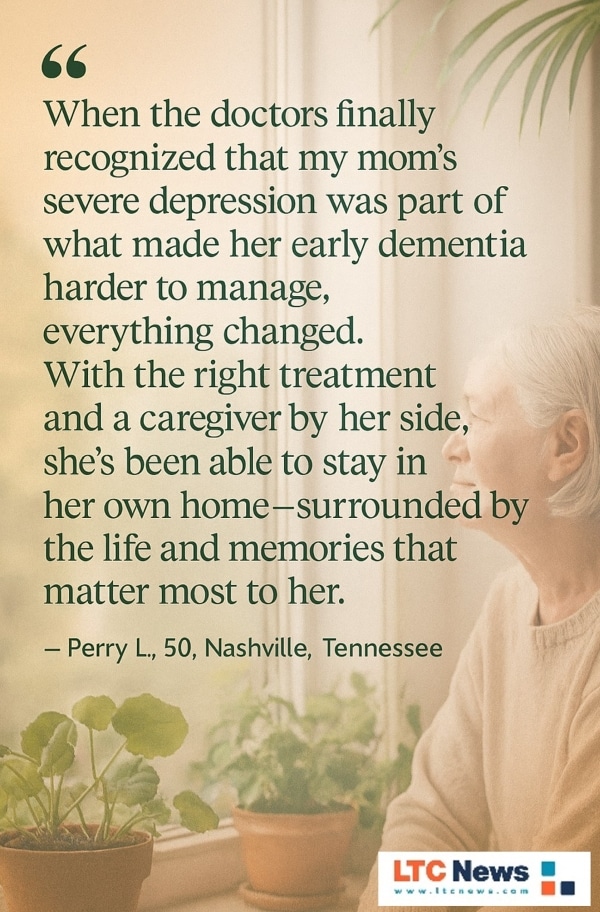
Share your thoughts and experiences about aging, caregiving, health, retirement, and long-term care with LTC News —Contact LTC News.
The Essential Role of Family Caregivers
Family members are often the first to notice subtle emotional changes. They also bear much of the responsibility when care becomes more complex.
Comprehensive mental health care includes caregiver education and support. Families learn how to encourage treatment without confrontation, recognize warning signs, and avoid burnout.
Unpaid caregivers already provide the majority of long-term care in the United States, 63 million of them in a recent report. As caregiving demands grow, addressing mental health early can reduce crisis-driven decisions and preserve family stability.
Unpaid family caregivers can only handle so much before professional caregivers step in or a transfer to a long-term care facility is needed. Health insurance and Medicare only cover short-term skilled care. Unless a loved one has Long-Term Care Insurance or is eligible for Medicaid due to limited financial resources, the full cost of extended care will be borne by the care recipient.
Mental Health, Long-Term Care, and Planning Ahead
Mental health challenges do not exist in isolation. They affect decisions about aging in place, home care, assisted living, and memory care.
Understanding the risk of aging, mental health and cognitive decline, and mobility issues, in addition to frailty and chronic illness, planning for future long-term care before a crisis occurs gives families more options and more control.
Resources such as the LTC News Cost of Care Calculator help families understand regional care costs, while the LTC News Caregiver Directory can help you find qualified providers nationwide.
If a loved one has an LTC policy, be sure to inform the home health agency or the facility's admission director that they have Long-Term Care Insurance.
LTC News partners with Amada Senior Care to offer free Long-Term Care Insurance claim support, with no cost and no obligation. Their trained professionals can guide you step by step through the claims process, helping you access benefits accurately and as quickly as possible — File a Long-Term Care Insurance Claim.
If you are preparing for your future retirement, seek a qualified LTC Insurance specialist to help you shop and review accurate quotes from all the top-rated insurance companies offering long-term care solutions.
Practical Ways You Can Support Mental Health Now
Even before professional care begins, small actions at home can make a meaningful difference:
- Stay connected through regular calls or visits
- Encourage structure with daily routines
- Promote gentle activity such as walking or gardening
- Listen without judgment
- Pay attention to sudden changes in mood or self-care
These steps often create the foundation for successful clinical treatment later.
A Better Quality of Life Is Still Possible
Aging does not mean giving up on emotional health. With the right support, older adults can maintain purpose, connection, and independence well into later life.
Comprehensive mental health care is not about labeling someone as ill. It is about recognizing that emotional well-being is central to healthy aging and thoughtful long-term care planning. Being prepared and being proactive about aging and health will benefit you and your loved ones.
If you are concerned about yourself or someone you love, now is the time to start the conversation. Early attention to mental health can protect not only the quality of life today, but the choices you have tomorrow.