

Keeping Focus Sharp and Brain Health Strong as You Age


You expect your body to change as you age, but changes in your focus can feel more unsettling. One day, you reread a page. Another day, you lose the thread of a conversation. You still manage work, daily activities, or family plans, but your mental stamina feels thinner than it once did.
Those small moments often trigger a quiet worry many adults over 50 recognize. You pause and wonder if this is just part of getting older, or if something deeper is starting to change.
Doctors say some shifts in attention are common with age, but they are not inevitable. How you sleep, how you structure your days, and how carefully medications are reviewed can make a meaningful difference in protecting brain health and mental clarity over time.
Some changes in the ability to think are considered a normal part of the aging process. However, vocabulary, reading, and verbal reasoning remain unchanged or even improve — and lifestyle and health factors influence how cognition changes with age. — Elizabeth Zelinski, professor of gerontology and neuroscience at the USC Davis School of Gerontology.
Why Focus Can Feel Harder with Age
Focus is not controlled by one switch in the brain. It depends on several systems working together, including sleep, energy, mood, hearing, vision, and how your body responds to medications. When one of those systems struggles, attention often slips.
As you age, several of these changes often appear at the same time. Sleep tends to become lighter and more disrupted. The National Institute on Aging says conditions such as obstructive sleep apnea and restless legs syndrome become more common with age, and poor sleep often shows up quickly as weaker focus and short-term memory the following day.
Hearing and vision changes add another layer of strain, forcing the brain to work harder to keep up with conversations or daily tasks.
Medications can quietly play a role as well. The American Geriatrics Society’s Beers Criteria cautions that some commonly prescribed drugs may interfere with alertness, attention, or memory in older adults.
A careful medication review often uncovers chances to improve mental clarity without adding anything new.
Emotional health matters, too. Stress, grief, anxiety, and depression can drain concentration and make even familiar tasks feel harder. The Centers for Disease Control and Prevention notes that mood disorders are linked to reduced focus and executive function, particularly during major life transitions.
Daily Habits That Support Attention First
Before prescribing medication is ever part of the discussion, doctors focus on everyday habits that quietly support attention and mental stamina.
These steps set the foundation for mental stamina.
Sleep and Routine
- Keep the same bedtime and wake time every day, including weekends.
- Limit caffeine after early afternoon.
- Avoid large meals, alcohol, and bright screens in the two hours before bed.
- Keep the bedroom cool, quiet, and dark.
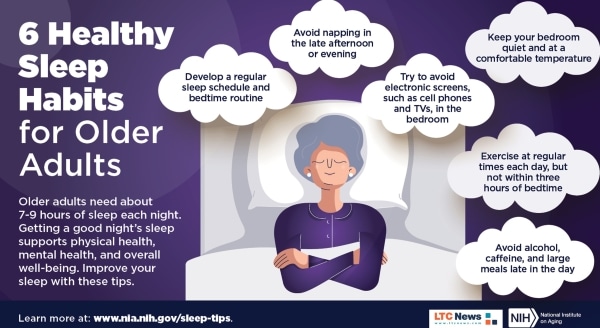
The National Institute on Aging notes that consistent sleep schedules help stabilize circadian rhythm, which supports alertness and memory during the day.
Morning Light and Movement
- Open curtains within 20 minutes of waking.
- Spend time outdoors early in the day when possible.
- Add light to moderate movement, such as walking, cycling, or water exercise.
Morning light helps regulate hormones that influence sleep and attention later in the day, according to the National Institutes of Health.
Reduce Cognitive Load
- Use one visible calendar for appointments and plans.
- Keep keys, glasses, and daily items in a single staging area.
- Use pill organizers and written checklists.
These tools do not replace memory. They protect it by reducing unnecessary mental strain.
Sleep, Light, and Weekly Rhythm Matter
Short naps can sharpen attention when they are used wisely. Sleep specialists generally recommend keeping naps brief, about 20 minutes, and taking them earlier in the day. Longer or late-afternoon naps often interfere with nighttime sleep and can leave you feeling foggier the next day.
Structure across the week matters just as much. Predictable routines ease decision fatigue and help conserve mental energy. When errands, exercise, and social time follow familiar patterns, your brain has more room to focus on what truly matters.
Medicines, Stimulants, and Wakefulness Agents: What to Know
When you or a loved one's focus starts to slip, questions about medication often come next. Families hear about stimulants or wakefulness agents and wonder if they might help sharpen attention or restore mental energy.
Adderall and Modafinil are two prescription medications sometimes discussed in conversations about focus and alertness. If questions arise about these or any other medications, talk with your doctor or pharmacist before taking them to improve focus and attention.
Here is the important medical distinction. Stimulant medications boost certain brain chemicals and are approved for specific conditions such as attention-deficit/hyperactivity disorder and narcolepsy.
Wakefulness agents are approved for sleep-related disorders, including narcolepsy, shift work sleep disorder, and ongoing sleepiness linked to obstructive sleep apnea.
Neither type of medication is approved to treat the normal attention changes that can come with aging.
That is why doctors use extra caution with these drugs in older adults. The U.S. Food and Drug Administration warns that stimulants can affect blood pressure, heart rhythm, appetite, and sleep.
Wakefulness agents also carry risks, including headaches, anxiety, insomnia, and interactions with other medications.
Build a Simple Cognitive Fitness Plan
A plan works best when it fits your real life. Small, steady steps tend to last longer than big promises that fade after a week.
A practical weekly framework:
- Movement: 20 to 30 minutes most days, adjusted to ability.
- Strength: Two sessions using bands or light weights to support balance and blood flow.
- Cognitive Tasks: 10 to 15 minutes of reading aloud, structured puzzles, or language practice.
- Social Time: Two planned conversations that require active listening.
- Executive Skills: One weekly planning hour to organize meals, medications, rides, and appointments.
Build new habits into routines you already have. Read a few pages while the tea kettle heats. Call a friend during your usual walk. Keep resistance bands within reach of the chair where you sit in the evening so movement feels effortless.
Nutrition also plays a supporting role in attention, though it rarely fixes lapses on its own. The National Institute on Aging recommends steady protein, fiber-rich foods, plenty of colorful fruits and vegetables, and regular hydration throughout the day. Alcohol late in the evening often disrupts sleep and can leave focus weaker the next day.
Hearing and vision care matter more than many people realize. Straining to hear or see quietly drains mental energy. Updated eyeglasses and properly adjusted hearing aids ease that load and help preserve attention during conversations, planning, and daily tasks.
Red Flags That Need Medical Attention
Some attention changes require prompt evaluation.
Seek care for:
- Sudden confusion or disorientation
- Rapid changes in sleep or behavior
- New incontinence paired with cognitive changes
- Getting lost in familiar places
- Personality changes or medication mismanagement
Doctors often screen for reversible causes first. These include sleep apnea, thyroid disorders, depression, medication side effects, hearing loss, and nutritional deficiencies. Many clinics use brief attention and memory tests to track changes over time.
Practical Takeaway for Families
Changes in attention are common as we age. They are not a personal shortcoming, and they do not mean you have failed yourself or your family.
Begin with the basics: consistent sleep timing, morning light, regular movement, and simple, repeatable routines. Bring a complete medication list and written questions to every medical visit and ask what can be adjusted before anything new is added.
Small, steady steps taken over a period of time often do more to protect brain health than quick fixes that promise fast results but rarely last. However, if you or a loved one has their lack of focus turn into memory loss, the proper care and supervision will be required to support a good quality of life. Health insurance and Medicare will not pay for long-term care except for short-term skilled care.
Long-Term Care Insurance will pay for the supervision someone with a decline in memory will require; however you generally purchase an LTC policy before you retire when you enjoy fairly good health.
Have you talked with your family about changes you notice and the support you may want down the road? Planning early gives you more control later.
For more guidance on aging, health, and planning for future care needs, explore the LTC News Education Center and tools designed to help you and your family prepare with clarity and confidence.