

Hot Yoga Can Be Beneficial for Your Mind and Body as You Age
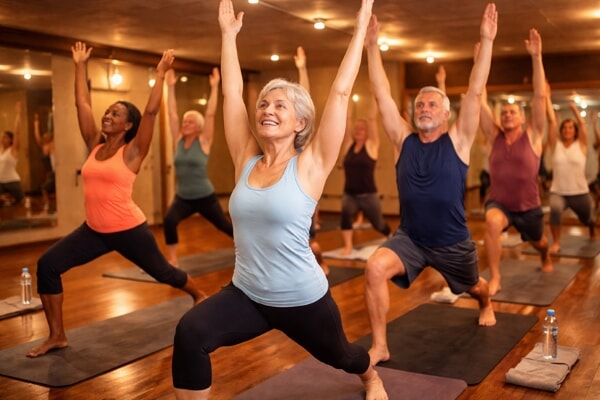

Table of Contents
- Why Heat Matters More as You Get Older
- Strength, Balance, and Fall Prevention
- Cardiovascular Support Without High Impact
- Mental Health Benefits That Carry into Daily Life
- New to Hot Yoga? What to Expect?
- Safety Considerations for Adults Over 40
- Consistency Over Intensity
- Why Community Matters as You Age
- Hot Yoga and Long-Term Wellness
You feel it more now. Stiffness in the morning. Slower recovery after exercise. Stress that settles into your shoulders instead of fading overnight. As you age, the goal of fitness often shifts from pushing harder to moving smarter and protecting your independence.
Hot yoga has gained attention for doing exactly that. When approached carefully, it can support flexibility, strength, balance, and mental focus in ways that matter more with each passing decade.
There is no magic pill to make you feel better, but for many people, hot yoga is an answer. Hot yoga is practiced in a heated room, typically warmer than traditional yoga classes. The goal is not intensity for its own sake. Heat allows muscles to warm more quickly, which can reduce stiffness and make movement feel smoother.
No matter where you live, whether it's on either coast or in Nashville, hot yoga classes have become increasingly popular for people to reconnect with their bodies and improve strength, flexibility, and mental clarity.
Most hot yoga classes follow a consistent sequence of postures designed to work the entire body. Predictable routines help you track progress and reduce the risk of overexertion, especially important as joints and connective tissue change with age.
Why Heat Matters More as You Get Older
Aging muscles and joints lose elasticity over time. Warmth helps tissues move with less resistance, making stretching feel safer and more accessible.
Many adults over 40 find that gentle heat:
- Reduces morning stiffness
- Makes joints feel less restricted
- Encourages longer, more comfortable stretches
- Improves confidence with movement
Heat does not eliminate injury risk, but it can help you move more deliberately and with better body awareness.
Strength, Balance, and Fall Prevention
Falls remain one of the leading causes of injury as people age. Exercise that improves balance and core strength plays a critical role in maintaining independence.
Hot yoga emphasizes:
- Standing postures that challenge balance
- Core engagement during controlled movements
- Slow transitions that improve stability
Practicing these movements regularly can help reinforce muscle memory and coordination that support everyday activities, from climbing stairs to carrying groceries.
Cardiovascular Support Without High Impact
Hot yoga raises the heart rate moderately through both movement and heat. The experience can feel similar to light-to-moderate cardiovascular exercise, without the pounding associated with running or high-impact workouts.
For many adults, this offers a joint-friendly option to:
- Support circulation
- Improve endurance
- Increase overall activity tolerance
Always check with your doctor if you have heart conditions, high blood pressure, or heat sensitivity before starting.
Mental Health Benefits That Carry into Daily Life
Stress does not disappear with age. For many people, it grows. Hot yoga requires focus, controlled breathing, and patience in a challenging environment.
That combination can help you:
- Slow racing thoughts
- Improve emotional regulation
- Build resilience when things feel uncomfortable
- Leave class feeling calmer and more centered
Many doctors and physical therapists note that structured mind-body practices like yoga can support stress reduction and emotional well-being when practiced consistently and safely.
New to Hot Yoga? What to Expect?
Walking into a heated class for the first time can feel intimidating. That reaction is normal.
Most studios encourage beginners to:
- Take breaks when needed
- Modify poses
- Sit or lie down if overheated
- Focus on breathing rather than perfection
Hydration matters. Lightweight clothing matters. Listening to your body matters most of all.
Safety Considerations for Adults Over 40
Hot yoga is not for everyone. You should talk with your doctor before starting if you have:
- Heart disease
- Blood pressure issues
- History of fainting or heat intolerance
- Advanced diabetes
- Neurological conditions affecting balance
Even without medical conditions, pacing yourself is essential. Progress comes from consistency, not endurance competitions.
Consistency Over Intensity
Benefits from hot yoga build over time. Many people notice improvements in mobility, balance, and energy after several weeks of regular practice.
A sustainable routine might include:
- Two to three classes per week
- Rest days between sessions
- Cross-training with walking or strength exercises
Fitness at this stage of life is about supporting the years ahead, not proving anything.
Why Community Matters as You Age
Studios often become more than workout spaces. Familiar faces, supportive instructors, and shared routines create accountability and connection.
Social engagement plays a meaningful role in long-term health. Activities that combine movement with community can help reduce isolation while reinforcing healthy habits.
You can find a welcoming hot yoga studio in Nashville or where you live by doing a Google search or asking for recommendations. Find a space where beginners and experienced yogis can feel equally comfortable. Studios provide guided instruction, safe environments, and a sense of community that enhances the overall experience. Whether you are attending your first class or your hundredth, the studio setting plays a key role in making hot yoga enjoyable and effective.
Hot Yoga and Long-Term Wellness
Maintaining strength, balance, and mental clarity supports independence later in life. While exercise alone cannot prevent long-term care needs, staying active helps delay functional decline and supports quality of life.
For those thinking ahead, physical fitness is one piece of a broader plan that may include:
- Home safety modifications
- Preventive healthcare
- Financial planning
- Exploring Long-Term Care Insurance as a way to protect income and access quality care if health changes
Hot yoga is not about pushing through discomfort. It is about learning to move with intention, manage stress, and stay connected to your body as it changes.
When practiced safely and thoughtfully, it can support flexibility, balance, strength, and mental resilience—qualities that matter more with each year.