Live Well with Diabetes with the Right Care

About This Article
Diabetes brings many challenges, especially as you get older. Often this leads to complications and a higher risk for long-term care.

Kevin Wells
Kevin Wells has devoted years to researching diabetes and its impact on health, lifestyle, and aging, while compiling valuable resources to support healthier living and informed wellness decisions.
Table of Contents
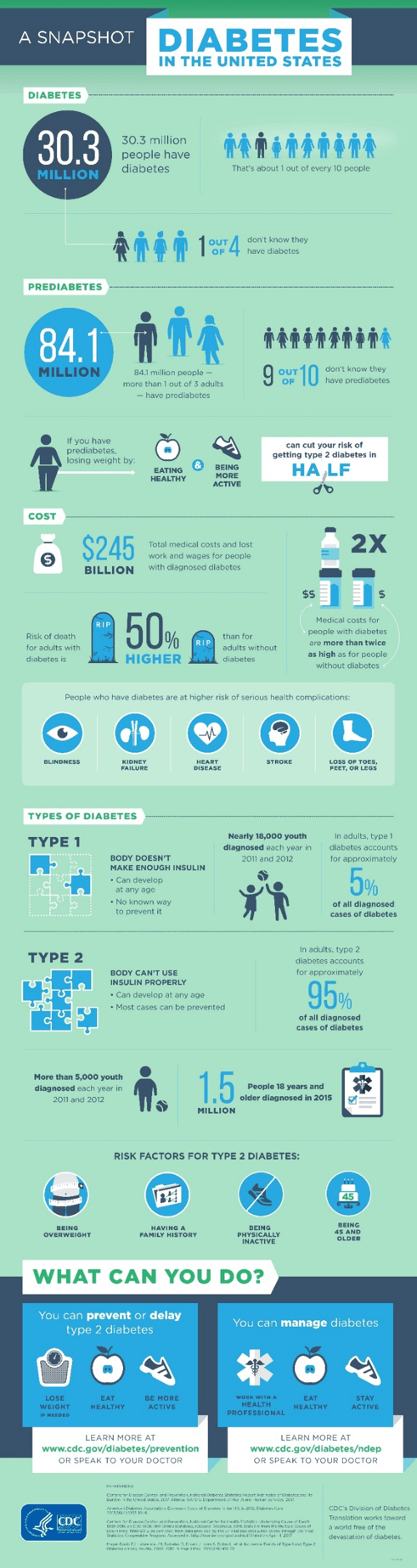
Millions of people around the world are living with diabetes, and millions more have blood sugar levels high enough to put them at increased risk of developing type 2 diabetes. In the United States, the numbers show just how widespread the problem has become.
According to the Centers for Disease Control and Prevention (CDC), an estimated 40.1 million Americans have diabetes, including both diagnosed and undiagnosed cases. That's about 12 percent of the U.S. population, or roughly 1 in 8 Americans. Another 115.2 million U.S. adults have prediabetes, meaning their blood sugar levels are higher than normal but have not yet reached the threshold for a diabetes diagnosis.
Perhaps even more concerning is how many people don't know they are at risk. More than 1 in 4 adults with diabetes are unaware they have the disease, while about 8 in 10 adults with prediabetes don't know they have it. Prediabetes often develops without obvious symptoms, allowing the condition to go unnoticed for years.
Diabetes is more than a matter of elevated blood sugar. Over time, the disease can increase the risk of serious health problems, including heart disease, stroke, kidney failure, vision loss, and damage that can lead to the loss of toes, feet, or legs. Prediabetes itself is associated with an increased risk of type 2 diabetes, heart disease, and stroke.
With so many people affected, diabetes is no longer a health issue that touches only a small segment of the population. Most families know someone managing diabetes, living with its complications, or being told that their blood sugar has entered the prediabetes range. For middle-aged and older adults in particular, understanding the risks — and what can be done to manage or reduce them — can have important implications for health, independence, and quality of life as they age.
Source:


The disease returned to the headlines after being linked to the 2018 death of actress and director Penny Marshall. While her passing served as a high-profile reminder of the condition's risks, diabetes has long been a leading cause of death globally.
Fortunately, the diagnosis does not have to be grim. With proper medical care and healthy lifestyle choices, individuals can manage symptoms and, in many cases, prevent the onset of Type 2 diabetes.
Testing and treatment
One of the most critical aspects of managing diabetes is getting the proper tests and treatments. Diabetes is often treated through a combination of sugar level monitoring, diet, exercise, and taking appropriate medications as prescribed. You’ll work with your doctor to create a treatment plan that’s right for you. Talk to your doctor about blood glucose tests, lifestyle adjustments, and any medications or other treatments you’ll need to help manage your condition. You might also ask about any potential clinical trials that could be beneficial to you.
Issues Related to Diabetes
In addition to affecting your health, diabetes can also affect your vision. That’s why it’s crucial for everyone, especially seniors living with diabetes, to obtain the proper level of health care coverage so treatments are covered and affordable.
Deciding which health insurance plan to choose can be tricky, especially for the 25 percent of seniors over 65 who are living with diabetes. Luckily, Medicare Advantage plans offer certain types of coverage, including vision and dental, that might not always be covered by Medicare alone.
Before purchasing a plan, do some research about the different options that are available through providers like Aetna. That way, you can determine whether you or your senior loved one might benefit from Medicare Advantage before choosing the perfect plan.
Not-So-Good Days
Mayo Clinic recommends creating a proactive plan for how you’ll handle any days when you’re not feeling well. Your plan should include written instructions for “what medications to take, how often to measure your blood sugar and urine ketone levels, how to adjust your medication dosages, and when to call your doctor.”
You should also ask your doctor for dietary recommendations, safe exercises, and other ways you can modify your daily routine. For instance, you’ll want to eat balanced meals with the right proportion of carbohydrates and make sure you’re eating enough food before taking your medications. By making small, proactive lifestyle changes, you can take your health into your own hands and help keep your symptoms under control.
The Supply Situation
As you plan for your long-term health, you should also consider any diabetic supplies you’ll need to manage your care. Compare the prices of test strips at your local pharmacies as well as online. If you’re having trouble paying for diabetes supplies that aren’t covered by your health insurance, you might want to reach out to a diabetes charity or nonprofit for assistance. Some diabetes charities, such as the Charles Ray III Diabetes Association, provide income-based assistance to diabetic patients.
Whatever decisions you make regarding your health or the health of your senior loved ones, it’s important to weigh your options. Conduct proper research and compare the different health plans that are available to you.
Ensure you have the coverage you need for any necessary tests, treatments, supplies, or wellness plans. Remember, although diabetes can be a tough diagnosis, it doesn’t have to define your life. By monitoring your blood sugar and caring for your health, it’s possible to maintain wellness at any age.
For people who use injectable medications to manage diabetes, safe disposal of used needles and other sharps is another important part of home care. Used needles should be placed in an appropriate sharps container rather than thrown loose into household trash, helping reduce accidental needlestick risks for family members, caregivers, and others who may handle household waste.
Having a designated sharps container readily available gives patients a safer and more responsible way to manage used needles at home.” — Kevin Webber, CEO of Sharps Disposal Containers.
Key Strategies for Diabetes Care
-
Monitor Blood Sugar Regularly: Consistent tracking helps identify how food, activity, and stress affect glucose levels.
-
Prioritize Foot Care: Seniors should check their feet daily for cuts, blisters, or swelling, as diabetes can reduce circulation and sensation in the extremities.
-
Maintain a Balanced Diet: Focus on whole grains, lean proteins, and leafy greens while limiting processed sugars and high-sodium foods.
-
Stay Active: Even moderate movement, such as walking or chair yoga, can improve insulin sensitivity.
-
Schedule Regular Screenings: Routine eye exams and kidney function tests are vital for catching potential complications early.
Note: Always consult with a primary care physician or an endocrinologist before making significant changes to a treatment plan or exercise routine.
Diabetes and the Escalating Risk of Long-Term Care Needs
Diabetes is a progressive condition that often complicates future health concerns, significantly increasing the likelihood that an individual will eventually require long-term care. Whether due to nerve damage, cardiovascular issues, or reduced mobility, the need for assistance with daily living becomes a statistical probability for many living with the disease.
The Financial Reality of Long-Term Care
Navigating the costs of extended care can be a shock to many families. It is a common misconception that standard insurance handles these expenses:
-
Health Insurance & Medicare: Standard policies and Medicare supplements generally do not cover "custodial care" (assistance with bathing, dressing, or eating), which makes up the bulk of long-term care services.
-
Medicaid: While Medicaid covers long-term care, it is a "payer of last resort." To qualify, individuals must often exhaust nearly all their personal assets, leaving little for heirs or spouses.
-
Private LTC Insurance: This is often the most viable way to protect assets, but timing is critical. You must secure a policy before your diabetes progresses to a point that makes you uninsurable.
Learn More: Long-Term Care Insurance Learning Center
Timing and Underwriting: Why Your 40s and 50s Matter
The most cost-effective window to apply for coverage is in your 40s or 50s. During this period, health profiles are typically more favorable, and premiums remain significantly lower. However, be sure to check with a Long-Term Care Insurance specialist to get quotes no matter you age as underwriting and pricing differ between insurance companies.
Insurance companies use a process called underwriting to assess risk. For those with diabetes, the following factors are scrutinized:
-
A1C Levels: Most insurers look for stable, well-managed A1C levels (typically below 8.0, though requirements vary).
-
Comorbidities: Insurers evaluate if you have other complications, such as hypertension, obesity, or kidney issues.
-
Medication History: The type and dosage of insulin or oral medications used can impact your eligibility and rate.
How to Secure LTC Insurance Coverage with Diabetes
While a diabetes diagnosis makes the application process more complex, it does not automatically disqualify you. To find the best path forward:
-
Consult a Specialist: Work with a licensed LTC specialist who has access to multiple "blue chip" carriers. Every company has different underwriting "appetites" for chronic conditions.
-
Maintain Records: Keep detailed logs of your blood sugar management and regular doctor visits to demonstrate that your condition is stable.
-
Act Early: If your A1C is currently in an acceptable range and you have few other health issues, you may still qualify for affordable, high-quality coverage.
The Bottom Line: Proactive planning is the only way to ensure that a manageable diagnosis like diabetes doesn't lead to a future financial crisis.
 Frequently Asked Questions About Diabetes, Aging, and Long-Term Care
What are the warning signs of diabetes in older adults?
Common warning signs of diabetes in older adults include increased thirst, frequent urination, fatigue, blurred vision, slow-healing wounds, unexplained weight changes, numbness in the feet, and frequent infections. Many older adults may mistake symptoms for normal aging, delaying diagnosis and treatment.
What A1C level is considered diabetic?
An A1C level of 6.5% or higher is generally considered diabetic. Prediabetes typically falls between 5.7% and 6.4%, while levels below 5.7% are considered normal. Your physician may recommend individualized targets depending on age, medications, and overall health.
Can Type 2 diabetes be prevented?
In many cases, Type 2 diabetes can be delayed or prevented through healthy lifestyle habits. Maintaining a healthy weight, eating balanced meals, staying physically active, and monitoring blood sugar regularly can significantly reduce risk.
Why does diabetes increase the risk of needing long-term care?
Diabetes can damage nerves, blood vessels, kidneys, eyesight, and mobility over time. Complications such as amputations, strokes, dementia, vision loss, and cardiovascular disease often increase the likelihood that someone will eventually require help with daily activities or supervision.
Does Medicare cover long-term care for people with diabetes?
Medicare primarily covers short-term skilled medical care and rehabilitation. It does not pay for most ongoing custodial long-term care services, including assistance with bathing, dressing, supervision due to memory loss, or extended in-home care.
Does Long-Term Care Insurance cover diabetes-related care needs?
Long-Term Care Insurance may help pay for home care, assisted living, memory care, or nursing home services if diabetes complications create chronic care needs. Eligibility and underwriting depend on factors such as A1C levels, medication use, and overall health.
Can you qualify for Long-Term Care Insurance if you have diabetes?
Yes, many people with well-controlled diabetes can still qualify for Long-Term Care Insurance. Insurance companies typically evaluate A1C stability, medication history, complications, and other health conditions during underwriting. Applying earlier often improves approval chances and pricing.
Why is foot care important for people living with diabetes?
Diabetes can reduce circulation and nerve sensation in the feet, increasing the risk of infections, ulcers, and serious complications. Daily foot checks and proper footwear can help prevent injuries from becoming severe medical problems.
How often should blood sugar be monitored?
Monitoring frequency depends on your doctor’s recommendations, medications, and diabetes severity. Some people test several times daily, while others use continuous glucose monitors or periodic testing to track trends and adjust treatment plans.
Can diabetes affect vision and cognitive health?
Yes. Diabetes can contribute to vision problems such as diabetic retinopathy and may also increase the risk of cognitive decline and dementia over time. Regular eye exams and blood sugar management are critical to protecting long-term brain and eye health.
What lifestyle habits help older adults manage diabetes successfully?
Helpful habits include:
- Eating balanced meals
- Staying physically active
- Managing stress
- Maintaining regular medical appointments
- Monitoring blood sugar consistently
- Taking medications as prescribed
- Getting regular eye, kidney, and foot screenings
These proactive steps may help reduce complications and maintain independence longer

Sponsored