Why Remote Desktop Technology Is Reshaping Telehealth and Long-Term Care Delivery
About This Article
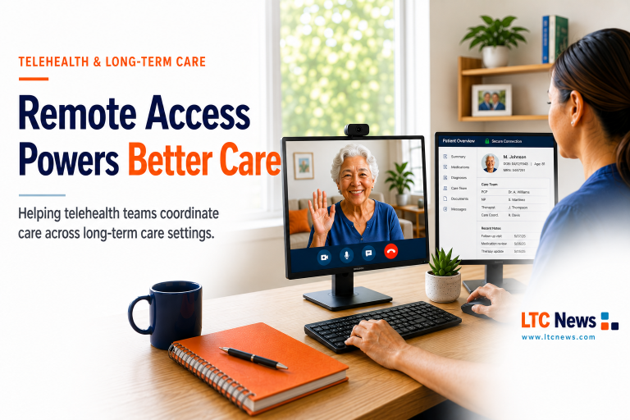
As America's population ages, telehealth is becoming an essential part of long-term care. Behind many virtual visits is technology that allows physicians, nurses and therapists to securely access health records and clinical systems from anywhere.

Linda Maxwell
Linda Maxwell is a journalist who writes about aging, health, chronic illness, caregiving, and long-term care issues impacting older adults and their families.
Table of Contents
- Telehealth Has Become Part of Everyday Healthcare
- How Telehealth Is Used in Long-Term Care Facilities
- What Is Remote Desktop Technology?
- Where Remote Desktop Technology Fits In
- What It Changes for Care Teams
- A Day in the Life of a Connected Care Team
- Addressing Workforce Challenges
- Security Must Remain a Top Priority
- Benefits Extend Beyond Healthcare Providers
- Looking Ahead
- Why This Matters for Aging Families
Long-term care is changing rapidly. An aging population, workforce shortages, and rising expectations from families are pushing providers to find smarter ways to deliver care. The pressure is only growing. According to the U.S. Census Bureau, all baby boomers will be age 65 or older by 2030. Nearly one in five Americans will be retirement age.
For many families, that means navigating chronic illness, caregiving responsibilities, and the realities of long-term care. The reality of extended care is something you can't ignore. The U.S. Department of Health and Human Services reports that 56 percent of people turning age 65 today will require long-term services and supports during their lifetime. Those services may include home care, adult day care, assisted living, memory care, or nursing home care.
At the same time, more than 63 million Americans provide unpaid care for a loved one, according to the 2025 AARP and National Alliance for Caregiving report. Healthcare systems are under pressure to do more with limited resources. Telehealth and secure remote-access technologies are helping bridge some of those gaps.
Telehealth Has Become Part of Everyday Healthcare
Virtual care is no longer a temporary solution created during the pandemic. It has become a normal part of healthcare delivery. According to the CMS Medicare Telehealth Trends Report, more than 1 in 10 traditional Medicare beneficiaries — 12.5 percent — used telehealth services in the second quarter of 2025, the most recent period for which data are available. While utilization has declined from pandemic-era highs, it remains substantially above pre-pandemic levels when fewer than 7 percent of beneficiaries used telehealth services.
The trend is clear. Telehealth use surged during the pandemic and then settled at a level far above where it started. For older adults, telehealth offers several advantages:
- Reduced travel
- Easier access to specialists
- Faster follow-up appointments
- Improved participation by family caregivers
- Fewer disruptions for those with mobility challenges
For long-term care providers, virtual visits can help reduce avoidable hospitalizations and emergency room visits while improving access to specialized expertise.
How Telehealth Is Used in Long-Term Care Facilities
The role of telehealth in long-term care settings keeps expanding. Telehealth is now a routine part of care delivery in many long-term care settings. What began as a way to maintain access during the pandemic has evolved into a valuable tool for improving care coordination, reducing unnecessary hospital visits, and expanding access to medical specialists.
In nursing homes, assisted living communities, and memory care facilities, telehealth often allows residents to receive medical evaluations without leaving the building. A nurse or staff member can help facilitate a video visit while the physician, nurse practitioner, or specialist joins remotely.
Common telehealth uses in long-term care include:
- Primary care follow-up visits
- Medication reviews and management
- Behavioral health and counseling services
- Neurology consultations for dementia and cognitive concerns
- Cardiology consultations
- Wound care evaluations
- Rehabilitation and therapy consultations
- Post-hospital discharge follow-up appointments
- Family care conferences involving multiple participants
Telehealth can be especially valuable for residents with mobility limitations, cognitive impairment, or chronic health conditions that make travel difficult. For example, a resident in a memory care community who develops new symptoms can often be evaluated virtually by a healthcare provider the same day. Staff can share vital signs, medication information, and observations in real time, enabling quick treatment decisions.
Telehealth is also improving access to specialists. Many long-term care facilities are located in suburban or rural areas where specialists may be limited. Virtual consultations allow residents to connect with neurologists, psychiatrists, cardiologists, and other experts without the burden of transportation and lengthy waiting periods.
Family caregivers benefit as well. Adult children who live in another city or state can often participate in telehealth appointments, ask questions, and better understand a loved one's care plan.
While telehealth does not replace hands-on medical care, it serves as an important extension of traditional healthcare services. By connecting residents, healthcare providers, and family caregivers more efficiently, telehealth is helping long-term care facilities deliver more timely and coordinated care.
When researching caregivers and long-term care facilities, be sure to ask them how they use telehealth for care recipients and improve their quality of life.
LTC News also offers a nationwide Caregiver Directory with over 80,000 searchable caregivers and facilities and free Long-Term Care Insurance claims assistance to help families process a loved one's LTC Insurance policy — File a Long-Term Care Insurance Claim.
What Is Remote Desktop Technology?
Telehealth often appears simple on the surface. A patient speaks with a healthcare provider via video. Behind that interaction, physicians, nurses, therapists, and other healthcare professionals frequently need access to medical records, laboratory results, imaging studies, medication histories, and scheduling systems.
Telehealth runs on more than a video connection. Doctors and nurses need instant access to charts, imaging, scheduling, and patient records — during the visit and after it ends. That's where remote desktop for telehealth teams becomes essential for telehealth teams, giving providers secure control of their work computers and clinical applications from anywhere.
Remote desktop technology allows authorized users to securely connect to their work computer or healthcare applications from another location.
Rather than storing sensitive information on a personal laptop or tablet, the data remains on protected healthcare systems. The user sees and interacts with the information remotely through an encrypted connection. This approach supports clinical workflows while reducing exposure of protected health information.
Where Remote Desktop Technology Fits In
Telehealth is more than a video call. Physicians, nurses, therapists, and support staff need access to charts, imaging, scheduling systems, and medical records during and after each visit.
The U.S. Department of Health and Human Services describes remote desktop software as technology that "enables healthcare professionals to access their office computer remotely" — letting them view the desktop, open files, and run applications exactly as they would from their workstation, without moving sensitive patient data outside the secure system. Source: U.S. Department of Health and Human Services, Securing Remote Access Software Alert — https://www.hhs.gov/sites/default/files/securing-remote-access-software-alert.pdf
In simple terms, the software lets one device see and control another over the internet. The records and programs stay on a secure system while the user works from a laptop or tablet.
For a visiting nurse, an on-call physician, therapist, or support team member, that means full access to the tools of care without being tied to a single building. It also keeps sensitive records off personal devices. The data stays on the protected system at the facility while only the screen is shared, reducing risk if a laptop is lost or stolen.
What It Changes for Care Teams
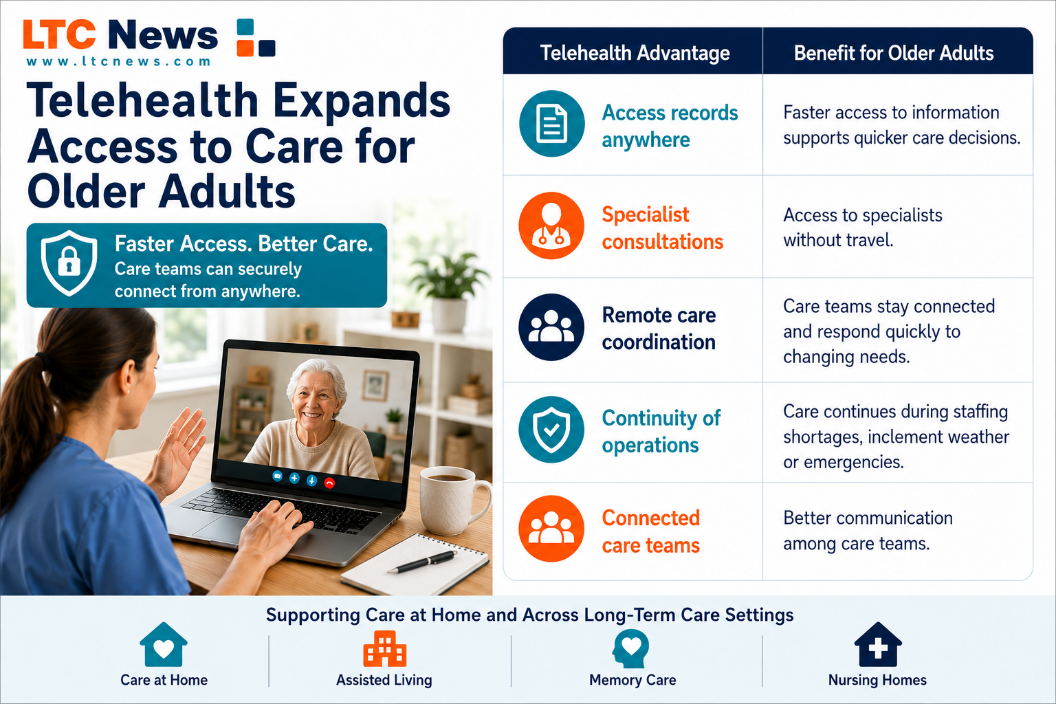
The biggest advantage is reach. A specialist can consult on residents across several facilities in the time it once took to drive between two locations. Support improves as well. When a computer on the care floor experiences problems, information technology staff can often resolve the issue remotely, minimizing disruptions to care.
Telehealth improves continuity of care, reduces no-show rates and is particularly valuable to seniors, those struggling with mobility issues and patients living in underserved areas." — Bobby Mukkamala, MD, President, American Medical Association
A Day in the Life of a Connected Care Team
The technology becomes easier to understand when viewed through a real-world example. A nurse visiting a resident opens the resident's chart on a tablet, pulling live information from the facility's secure system.
A specialist joins via telehealth from another city, reviews the same records in real time, and updates the care plan during the visit. Later that evening, an on-call physician reviews laboratory results from home and approves treatment orders without driving to the facility.
Family members participate in discussions from wherever they live. Each step depends on secure access to the same healthcare systems regardless of location.
Addressing Workforce Challenges
Long-term care providers continue to face shortages of physicians, nurses, therapists and other trained healthcare professionals. Rural communities face some of the greatest challenges, where specialist physicians and advanced practice providers may be scarce.
Remote desktop technology does not eliminate workforce shortages. However, it helps organizations make better use of available expertise. A physician who once spent hours traveling between locations can now consult with multiple facilities during the same day.
Specialists can support residents across a wider geographic area. Healthcare organizations can also recruit clinical and administrative professionals who do not live near the facility. For residents and families, this often means faster access to care and fewer delays in treatment decisions.
Security Must Remain a Top Priority
Convenience cannot come at the expense of privacy. Healthcare organizations manage some of the most sensitive personal information that exists. Medical records contain private details protected by federal and state laws, including HIPAA.
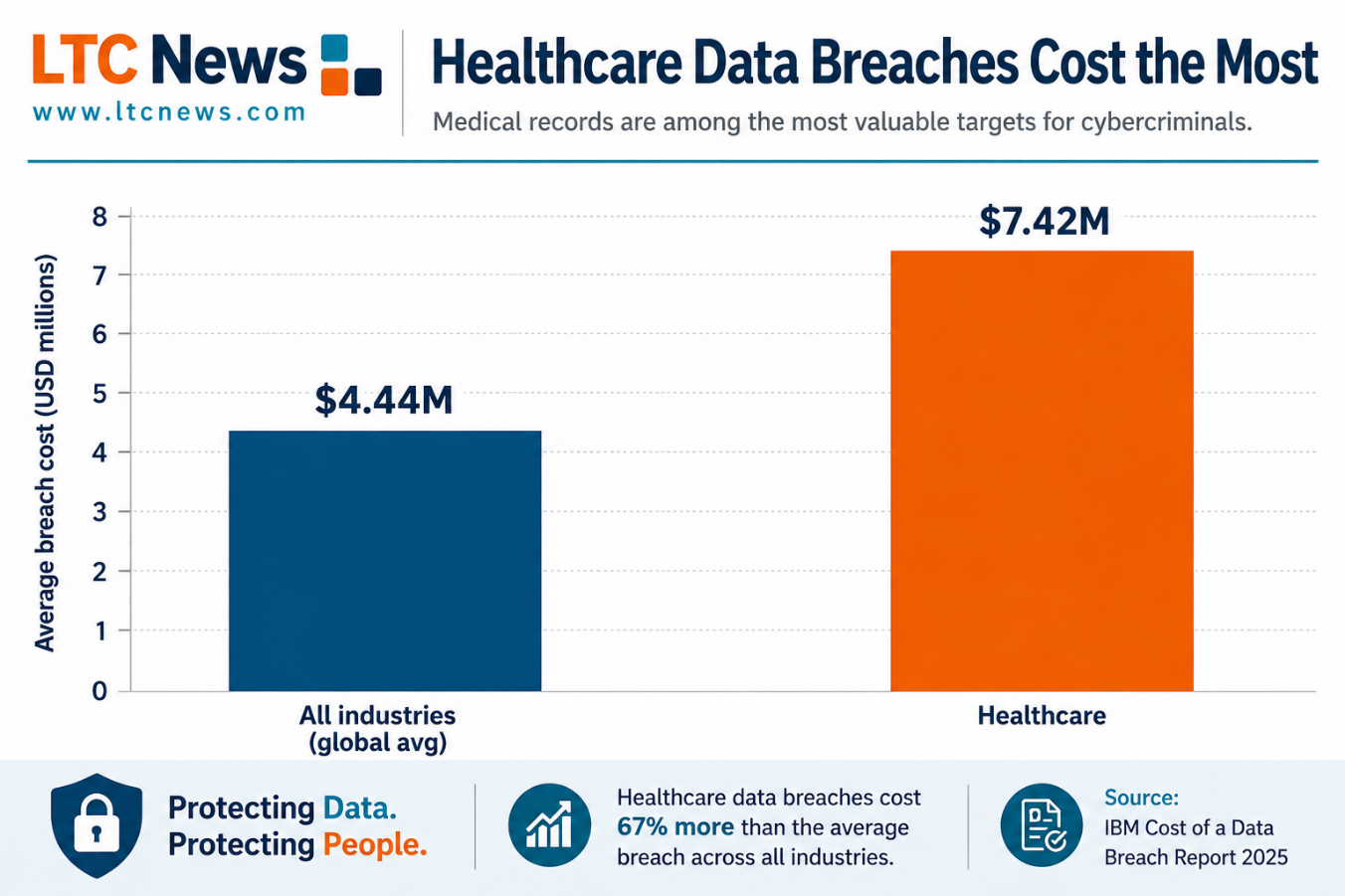
Healthcare organizations remain among the most frequent targets of cyberattacks because medical information is highly valuable and healthcare networks are complex. That is why security must be built into any telehealth or remote-access strategy from the beginning.
In practice, that includes:
- Multi-factor authentication
- End-to-end encryption
- Role-based access controls
- Regular software updates
- Ongoing cybersecurity training
- Detailed access logs and monitoring
- Prompt removal of access when job responsibilities change
Organizations that fail to implement these protections risk compromising both privacy and patient trust.
Benefits Extend Beyond Healthcare Providers
The benefits ripple throughout the entire care ecosystem.
- Older Adults
Residents gain faster access to specialists and avoid many of the transportation challenges associated with traditional appointments.
- Family Caregivers
Family caregivers can participate more easily in healthcare discussions regardless of where they live.
- Healthcare Providers
Physicians, nurses, and therapists spend less time traveling and more time focused on patient care.
- Long-Term Care Operators
Providers can improve efficiency while maintaining accountability through secure access controls and detailed documentation.
Looking Ahead
Telehealth is no longer an optional service. It is becoming part of the infrastructure supporting modern healthcare and long-term care. Future systems will likely integrate telehealth platforms, electronic health records, remote monitoring devices, and secure remote-access tools into a more seamless experience.
Artificial intelligence, predictive analytics, and expanded remote monitoring may further improve how providers identify health changes before they become emergencies. For older adults and their families, these advances could mean earlier interventions, better coordination, and more opportunities to remain safely at home.
Why This Matters for Aging Families
Most people prefer receiving care at home whenever possible. Technology is making that goal more achievable. Whether care is delivered at home, in assisted living, in memory care, or in a nursing facility, timely access to healthcare professionals can improve outcomes and reduce stress for both residents and family caregivers.
As America's older population continues to grow, secure telehealth and remote-access systems will play an increasingly important role in helping providers deliver the right care at the right time.
Families planning for aging should remember that Medicare only pays for limited short-term skilled care and does not cover most ongoing long-term care services. Understanding the cost of care where you live is an important part of retirement planning.
👉 Learn More About long-term care planning - LTC News LTC Insurance Learning Center
Meanwhile, ask yourself, "If you or someone you love needed ongoing care tomorrow, would your healthcare providers be able to coordinate quickly and securely enough to deliver the right care without delay?
Frequently Asked Questions
How expensive are healthcare data breaches?
Healthcare data breaches are among the costliest across all industries. According to the IBM Cost of a Data Breach Report 2025, the average healthcare breach costs significantly more than the global average, highlighting the importance of strong cybersecurity protections.
What is telehealth?
Telehealth allows healthcare providers to evaluate, monitor and communicate with patients using secure video, phone and digital technologies. It enables older adults to receive many healthcare services without traveling to a doctor's office or hospital.
What is remote desktop technology?
Remote desktop technology allows authorized healthcare professionals to securely access medical records, clinical applications and healthcare systems from another location. The information remains on secure healthcare networks rather than being stored on personal devices.
Does telehealth replace in-person medical care?
No. Telehealth complements traditional healthcare but does not replace hands-on medical care. Residents still require in-person examinations, treatments, therapies and emergency care when appropriate.
What types of specialists can be accessed through telehealth?
Residents may connect with neurologists, psychiatrists, cardiologists, wound care specialists, rehabilitation professionals and other experts through telehealth. This is particularly beneficial in rural and underserved communities where specialists may be difficult to access.
Can family caregivers participate in telehealth appointments?
Yes. Many telehealth platforms allow adult children, spouses and other caregivers to join appointments remotely. This helps families stay informed and participate in care decisions even if they live in another city or state.
Are telehealth visits covered by Medicare?
Medicare covers many telehealth services, although coverage rules can change over time. Beneficiaries should review current Medicare guidelines or consult their healthcare provider regarding available telehealth benefits.
Why is secure remote access important in healthcare?
Healthcare providers often need immediate access to patient charts, laboratory results, imaging studies and treatment plans during telehealth visits. Secure remote access allows physicians, nurses and therapists to review information and make care decisions from virtually anywhere.
What should families ask a long-term care provider about telehealth?
Families should ask how telehealth is used, what specialists are available virtually, how family caregivers can participate in appointments, what cybersecurity protections are in place and how telehealth helps coordinate care among providers.
Will telehealth become more common in the future?
Most healthcare experts believe telehealth will continue to grow as healthcare systems integrate electronic health records, remote monitoring devices, artificial intelligence and secure communication technologies. These tools may help older adults receive more coordinated care while remaining safely at home longer.
How is telehealth used in long-term care facilities?
Many nursing homes, assisted living communities and memory care facilities use telehealth for physician visits, medication reviews, behavioral health services, specialist consultations, wound care evaluations and family care conferences. Staff members often help residents connect with healthcare providers during appointments.
How does telehealth help long-term care facilities address staffing shortages?
Telehealth allows specialists and healthcare professionals to support multiple facilities without spending time traveling between locations. This helps providers make better use of available expertise and improves access to care in areas facing workforce shortages.
Why is cybersecurity important in telehealth?
Medical records contain highly sensitive personal information. Healthcare organizations must protect patient data through encryption, multi-factor authentication, access controls and cybersecurity monitoring to reduce the risk of data breaches and unauthorized access.
What are the benefits of telehealth for older adults?
Telehealth can reduce travel, improve access to specialists, shorten wait times for appointments and make it easier for family members to participate in healthcare discussions. It can be especially valuable for older adults with mobility limitations or chronic health conditions.

Sponsored
