Stay Active After 60: The Best Low-Impact Sports to Try
About This Article
Staying active after 60 helps protect mobility, independence, and long-term health. Discover the best low-impact sports and how they reduce the risk of long-term care needs.

Marcus Howard
Marcus Howard writes about alternative health topics for older adults such as CBD, acupuncture, and herbal medicine.
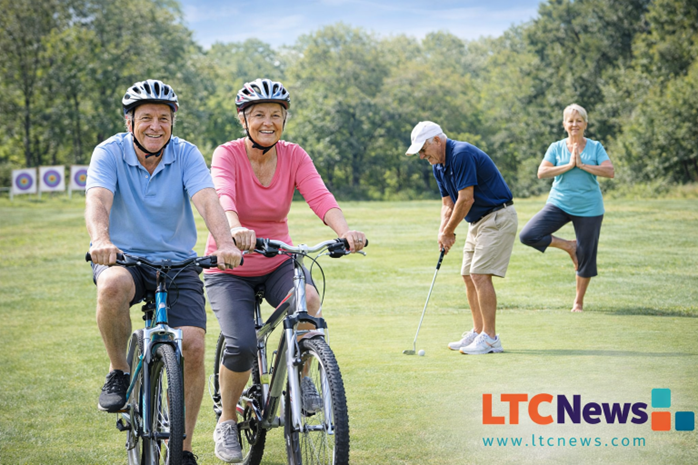
Staying active after 60 is one of the most effective ways to protect your independence, mobility, and overall health. This article explores the best low-impact sports and exercise options that help you stay strong without putting stress on your joints. You’ll also learn how consistent movement can reduce your risk of falls, disability, and the need for long-term care.
What you do after 60 matters more than ever. Staying active with the right low-impact sports can help you move more comfortably, protect your joints, and keep doing the things you enjoy. Just as important, regular movement can play a key role in helping you stay independent and avoid the need for long-term care.
You feel your body change in small ways at first—stiff joints in the morning, less energy during the day, maybe a hesitation before taking the stairs. But aging isn’t a reason to slow down. It’s a reason to move smarter.
Staying active is one of the most powerful ways older adults can protect their health and independence. When we reach our sixth, seventh decade of life, it's really difficult to build muscle and really easy to lose muscle. Just moving your muscles around for strength, that could help to maintain at least some of that muscle mass that we know we lose.” — Philip Solomon, MD, a geriatrician with Northwell Health.
Staying active after 60 isn’t about pushing limits. It’s about protecting your mobility, maintaining balance, and staying independent. The right kind of movement can help you do exactly that.
Why Low-Impact Exercise Matters More After 60
As you age, your body naturally changes:
- Muscle mass declines
- Bone density decreases
- Joints become stiffer
- Balance can weaken
But these changes do not have to define your future.
“Regular physical activity is one of the most important things older adults can do for their health,” according to the Centers for Disease Control and Prevention.
It can help prevent many chronic diseases and improve balance and strength to reduce fall risk.” — CDC.
“You don’t need intense workouts to benefit from exercise. Even moderate activity can improve strength, balance, and overall health as you age,” according to guidance from the National Institute on Aging.
Regular movement helps maintain your ability to perform Activities of Daily Living (ADLs)—such as bathing, dressing, and walking. These are the exact measures used to determine eligibility for long-term care services.
👉 Are you or a loved one choosing activities today that support your independence tomorrow?
The Best Low-Impact Sports to Try After 60

1. Walking: The Foundation of Lifelong Fitness
Walking remains one of the safest and most effective forms of exercise.
It helps:
- Strengthen your heart
- Improve circulation
- Support bone health
- Maintain a healthy weight

Walking also improves balance—critical in reducing fall risk. There are ways to make it engaging.
- Walk with friends
- Track steps with a wearable
- Explore new routes
Even 30 minutes a day can improve stamina and mood.
2. Swimming: Full-Body Fitness Without Joint Stress
Water supports your body weight, reducing stress on joints while providing resistance.
Benefits of swimming include:
- Improved cardiovascular health
- Increased flexibility
- Better muscle tone
- Reduced arthritis discomfort
Water aerobics classes add structure and social interaction.
3. Cycling: Gentle on the Knees, Great for the Heart
Cycling provides excellent cardiovascular exercise without impact stress.
It strengthens:
- Quadriceps and hamstrings
- Calves
- Core muscles
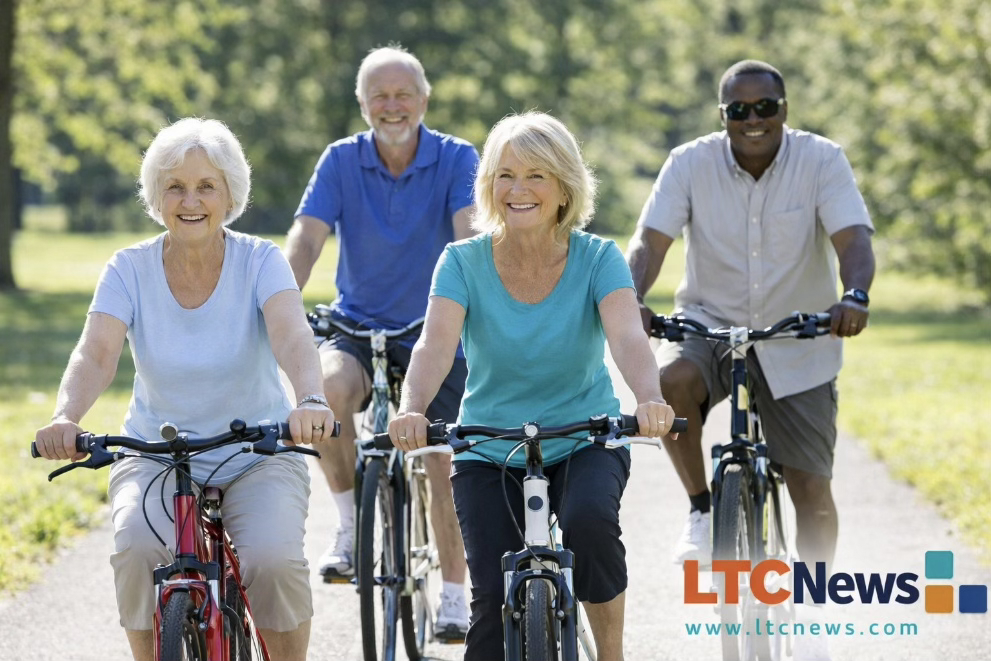
Stationary or recumbent bikes offer safer alternatives if balance is a concern.
4. Tai Chi: Balance, Stability, and Mindfulness
Tai Chi uses slow, controlled movements to improve balance and coordination. Research has shown Tai Chi can reduce fall risk and improve stability in older adults.
It helps:
- Improve posture
- Increase flexibility
- Strengthen stabilizing muscles
- Reduce stress
5. Golf: Movement with Mental and Social Benefits
Golf combines light activity with mental focus and social interaction.
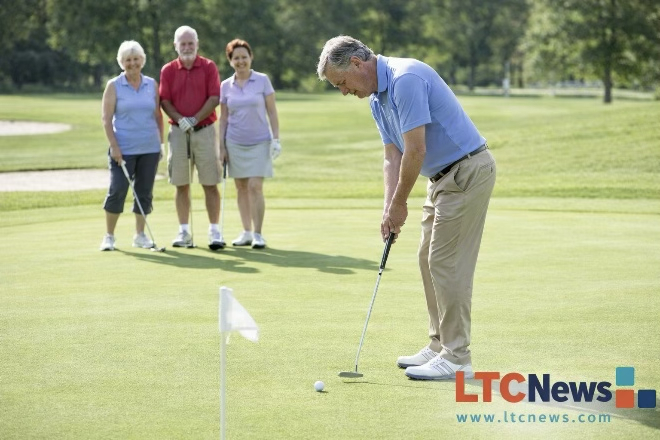
Walking the course adds cardiovascular benefits, while the swing promotes flexibility.
Engaging in a sport that addresses both physical benefits and psychosocial (mental health and well-being) is a great way to work on wellness, and golf does that.” — Dr. Naveed Shan, Doctor of Physical Therapy, Banner Sports Medicine.
6. Tennis (Doubles or Modified Play)
Tennis can be fun for those physically able, and participating in structured tennis lessons can also help refine technique, reduce injury risk, and adapt the game to your current fitness level. Coaches often emphasize proper footwork and controlled movement, which helps protect joints.
Doubles tennis reduces physical demand while maintaining key benefits. This fun activity improves:
- Coordination
- Reaction time
- Cardiovascular endurance
7. Yoga: Flexibility and Core Strength
Yoga enhances flexibility, balance, and strength.
Yoga isn’t just about flexibility… it’s about stretching, lengthening, breathing, and using your own body weight to build strength from the inside out. These movements help with balance and mobility.” — Denise Austin, fitness expert, quoted in Prevention.
Yoga can:
- Improve posture
- Reduce stiffness
- Strengthen stabilizing muscles
- Reduce anxiety
Chair yoga and gentle classes are ideal for beginners.
8. Archery: Stability and Focus
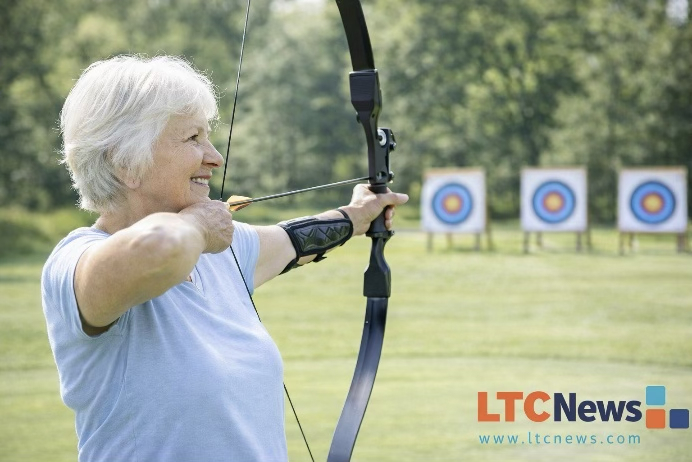
Archery may not be the first sport that comes to mind for seniors. Still, it offers unique benefits with minimal joint impact. Archery strengthens upper body muscles and improves concentration.
It develops:
- Shoulder and back strength
- Core stability
- Focus and control
9. Pickleball: A Growing Favorite
Pickleball continues to grow rapidly among older adults.
Pickleball helps improve balance and coordination that’s crucial for fall prevention.” — Dr. Lisa K. Cannada, orthopedic trauma surgeon, University of North Carolina, quoted in AARP.
It offers:
- Moderate cardio
- Social engagement
- Improved balance
- Quick reflex training
10. Dance Classes: Fun Meets Fitness
Dance blends physical activity with enjoyment.
It improves:
- Coordination
- Memory
- Leg strength
- Cardiovascular health
The social aspect helps you stay consistent. Choosing the right activity is important—but consistency is what ultimately protects your long-term health and independence.
How Staying Active Delays Long-Term Care Risk
Staying active is not just about fitness, it directly impacts your future extended care needs by helping you remain more independent longer. Maintaining strength, balance, and mobility helps you preserve independence and continue performing daily tasks without assistance.
Staying active is not just about fitness, it’s about protecting your future independence. Western University professor Dr. Jane Thornton says higher levels of physical activity in older age are associated with improvements in cognition, mental health, and quality of life.
Physical activity is one of the most important ways to preserve or improve functional independence.” — Dr. Jane Thornton, professor of medicine and IOC health director.
The consequences of aging and long-term care are not remote, and as you age, the risk of needing help with ADLs increases. According to the U.S. Department of Health and Human Services, over half of those who reach age 65 will need long-term care services at some point in their lives.
Many families are unprepared for aging. The result is a family crisis as loved ones attempt to juggle their career and family with that of being a caregiver. More than 63 million Americans now provide unpaid long-term care, a 45% increase since 2015.
For many families, that help starts small—then quickly becomes overwhelming without preparation. Families must find professional caregivers or even place their loved one in a long-term care facility. However, the cost of long-term care is expensive. Unless someone has Long-Term Care Insurance or qualifies for Medicaid, the cost can be overwhelming.
👉 Everything You Need to Know About Medicaid
Lack of Mobility a Big Concern
Being physically active will improve your or a loved one's mobility. As your mobility becomes restricted, you will need help with the things you take for granted today. One of the biggest concerns you will have is the risk of falling.
Falls are a major trigger for loss of independence. In fact, one in four adults age 65 and older falls each year, according to the Centers for Disease Control and Prevention. Each year, about 3 million emergency department visits are due to falls, and often the result is the need for long-term care.
When mobility declines:
- Fall risk increases
- Hospitalizations become more likely
- Recovery becomes more difficult
- Dependence on others grows, resulting in long-term care
Staying active helps delay or reduce these outcomes.
What Medicare Doesn’t Cover—and Why Planning Matters
Many people assume health insurance or Medicare will cover long-term care. It doesn’t. Medicare only pays for short-term skilled care, typically up to 100 days under specific conditions. It does not cover ongoing assistance with daily activities.
Being prepared for aging, including being prepared for future long-term care. Being physically active is one way to stay proactive. Planning is the other way, and your retirement plan should include Long-Term Care Insurance.
Long-Term Care Insurance provides:
- Guaranteed tax-free benefits
- Coverage for care at home or in facilities
- Greater choice and control over care
- Professional case management to help ease family burden
Understanding this gap is essential when planning your future.
👉 LTC News Long-Term Care Insurance Learning Center
👉 Compare Long-Term Care Insurance Companies and Products
Safety Tips for Staying Active After 60
Before starting any activity:
- Warm up for 5–10 minutes
- Listen to your body—avoid sharp pain
- Stay hydrated
- Focus on consistency over intensity
- Consult your doctor if needed
The Bottom Line
Turning 60 isn’t about slowing down. It’s about moving smarter. Low-impact sports and exercise after 60 help you:
- Stay strong without stressing your joints
- Maintain balance and prevent falls
- Stay socially connected
- Protect your independence
Start small. Stay consistent. Choose something you enjoy. Meanwhile, ideally, before you retire, start to explore the current and future extended care costs in your area using the LTC News Cost of Care Calculator, and if an older family member needs help now you can find trusted providers through the LTC News Caregiver Directory—two essential tools to help you plan before a health event turns into a financial and emotional crisis.
Because the goal isn’t just living longer. It’s living better.
By the way, if an older family member or neighbor needs help and has Long-Term Care Insurance, you can get free expert help in filing the LTC Insurance claim. LTC News partners with Amada Senior Care to provide free claim support with no cost or obligation — File a Long-Term Care Insurance Claim.
Frequently Asked Questions
What is the safest exercise for seniors with joint pain?
Low-impact exercises like swimming, water aerobics, cycling, and chair yoga are among the safest options for people with joint pain or arthritis. These activities reduce pressure on joints while still improving strength, flexibility, and mobility.
Why is fall prevention important after age 60?
Falls are one of the leading causes of injury and loss of independence among older adults. According to the Centers for Disease Control and Prevention, one in four adults age 65 and older falls each year. Regular exercise improves balance and coordination, helping reduce this risk.
What role does Long-Term Care Insurance play in aging well?
Long-Term Care Insurance provides tax-free benefits that help pay for care at home, assisted living, or nursing facilities. It allows you to maintain control over where and how you receive care while protecting your savings and reducing the burden on family members.
Will Medicare cover long-term care if I become less active?
No. Medicare does not cover ongoing long-term care services. It only pays for short-term skilled care under limited conditions. This is why maintaining your health and planning ahead—often with Long-Term Care Insurance—is essential.
How much exercise do you need after age 60?
Most experts, including the Centers for Disease Control and Prevention, recommend at least 150 minutes of moderate physical activity per week. This can include simple activities like walking, swimming, or cycling, along with strength and balance exercises to reduce fall risk.
What’s the easiest way to get started with exercise after 60?
Start simple. Walking is often the easiest and most effective first step. Begin with short sessions and gradually increase time and intensity. The key is consistency, not intensity.
Can exercise after 60 really help you stay independent?
Yes. Regular physical activity helps maintain your ability to perform Activities of Daily Living (ADLs), such as bathing, dressing, and walking. These functions are directly tied to independence and are used to determine whether someone needs long-term care services.
Does staying active reduce the risk of long-term care?
Yes. Staying physically active can delay or reduce the need for long-term care by improving balance, strength, and overall health. Reduced fall risk and better mobility help older adults remain independent longer, which can significantly lower the likelihood of needing extended care.
When should you start planning for long-term care?
Ideally, you should begin planning in your 40s or 50s while you are still healthy and eligible for better Long-Term Care Insurance options. Waiting too long can limit your choices and increase costs.
What are the best low-impact sports for people over 60?
The best low-impact sports after 60 include walking, swimming, cycling, Tai Chi, yoga, golf, pickleball, and doubles tennis. These activities improve strength, balance, and cardiovascular health while reducing stress on joints, making them safer and more sustainable as you age.

Sponsored