Remote Monitoring and Smart Technology Help Families Care for Aging Parents
About This Article
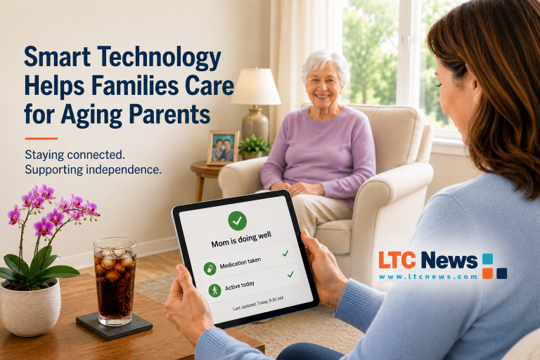
Caring for aging parents is becoming more complex as families live farther apart, work longer hours, and older adults live longer with chronic health conditions. New technology—from remote monitoring tools to smart home systems and AI—helps families stay connected, ease caregiver stress, and support safer aging in place.

Jacob Thomas
Jacob Thomas writes on health, wellness, and retirement topics, including aging, caregiving, insurance, and long-term care.
Table of Contents
- Caregiving Is Changing Along with Family Life
- Growing Demand for Family Caregivers
- Remote Monitoring Is Helping Families Stay Connected
- Technology and Dementia Care
- Technology Can Help Reduce Caregiver Burnout
- Smart Home Technology Supports Aging in Place
- Artificial Intelligence May Change Caregiving in New Ways
- Technology Cannot Replace Human Connection
- Technology Helps Monitor Care—But It Doesn't Pay for It
- Long-Term Care Planning Remains Essential
- Future of Caregiving
- Key Numbers at a Glance
You may live only a few miles from your parents—or several states away. Either way, you probably worry about the same things. Are they safe? Are they taking their medications? What happens if they fall when nobody is there?
Those concerns are becoming more common as Americans live longer, and more families juggle work, children, and caregiving responsibilities. Technology is helping families care for aging parents through remote monitoring, smart home devices, telehealth, and artificial intelligence.
These tools can improve safety, reduce caregiver stress, support aging in place, and help families stay connected when they cannot be physically present every day.
Technology is a very beneficial tool, especially when paired with the helping hand of a family member or professional caregiver. This personal support and companionship can mean all the difference in being able to choose where you want to live as you grow older." — Lakelyn Hogan Eichenberger, Ph.D., gerontologist and caregiving advocate, quoted by NBC News.
While technology cannot replace human care, it is becoming an increasingly important tool that helps families stay informed, coordinate care, and respond more quickly when problems arise. Given the overwhelming demand for elderly care, the use of technology is increasing, and remote patient monitoring software or devices has also increased. To be specific, it went from 13% in 2020 to 25% in 2025.
Caregiving Is Changing Along with Family Life
A generation ago, aging parents and adult children often lived near one another. Family members could stop by regularly, help with errands, and notice changes in health or behavior before they became serious concerns.
Today's reality often looks very different. Many adult children live in different cities or states. Work schedules are demanding. Many families are part of the "sandwich generation"—adults simultaneously caring for children and aging parents while balancing careers, household responsibilities, and financial obligations.
The result is often a constant stream of worry. Did Mom take her medication? Has Dad been eating properly? Is a minor health issue becoming something more serious?
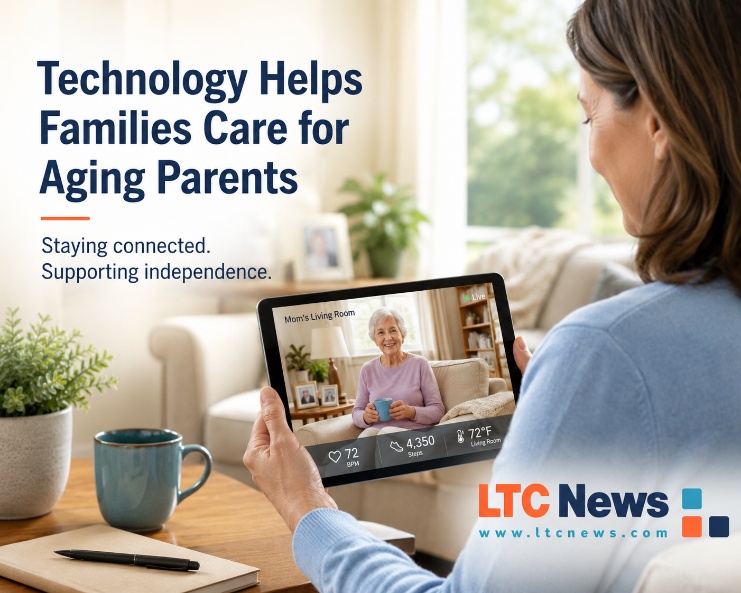
Technology can help answer some of these questions by providing greater visibility into daily routines, medication adherence, mobility, and changes in health status. In many cases, families can identify concerns earlier and intervene before a minor issue becomes a medical emergency.
Growing Demand for Family Caregivers
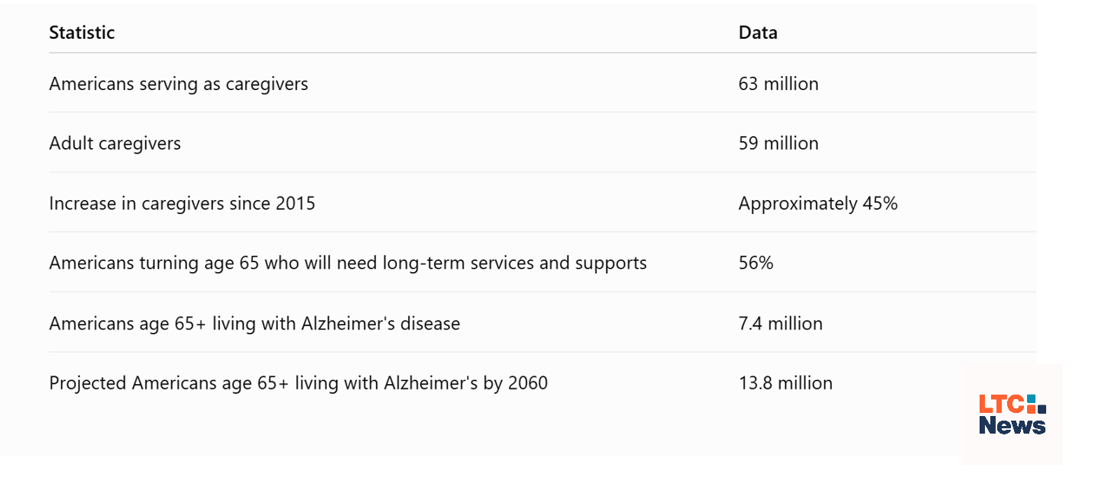
Family caregivers have become the backbone of America's long-term care system, with an estimated 63 million Americans now providing care for a family member or loved one. Family caregivers collectively provide billions of hours of unpaid care each year, helping loved ones remain at home and avoid institutional care whenever possible. Yet the responsibilities placed on caregivers continue to grow as older adults live longer with chronic illnesses, mobility limitations, and cognitive disorders.
Federal researchers estimate that 56% of Americans turning age 65 today will require long-term services during their lifetime. Many families find themselves unprepared. Caregiving often begins unexpectedly following a fall, hospitalization, stroke, dementia diagnosis, or another significant health event. Most families are underprepared and find themselves in a crisis.
Remote Monitoring Is Helping Families Stay Connected
One of the fastest-growing areas of healthcare technology is remote patient monitoring. These systems use connected devices to track health information such as:
- Blood pressure
- Weight
- Blood glucose levels
- Heart rate
- Activity levels
- Medication adherence
Information can be shared with healthcare providers, family caregivers, or both. The growing adoption of these tools reflects a practical need rather than a fascination with technology. Families want better visibility into a loved one's well-being without needing to be physically present every day.
Remote care solutions, as well as tech that streamlines communication between caregivers and professionals, can also identify problems earlier, reducing hospitalizations and emergency room visits. Many healthcare providers now incorporate remote monitoring into chronic disease management programs, helping older adults manage conditions such as diabetes, heart disease, hypertension, and respiratory illnesses from home.
Technology and Dementia Care
Technology can be especially valuable for families caring for someone with Alzheimer's disease or another form of dementia. According to the Alzheimer's Association, approximately 7.4 million Americans age 65 and older are living with Alzheimer's disease today, a number projected to reach 13.8 million by 2060.
For these families, technology can provide an additional layer of safety and reassurance. Examples include:
- GPS-enabled location devices
- Door and window alerts
- Medication reminders
- Smart home monitoring systems
- Video communication tools
- Automated wellness check systems
While these tools cannot stop cognitive decline, they can help families respond more quickly when a loved one becomes disoriented, wanders, or experiences changes in daily routines.
Technology Can Help Reduce Caregiver Burnout
Caregiving is not only physically demanding. It can also create significant emotional stress. Caregivers often coordinate physician appointments, manage medications, communicate with healthcare providers, oversee finances, arrange transportation, and respond to unexpected emergencies.
Over time, these responsibilities, often called the sandwich generation, can lead to exhaustion, anxiety, and burnout. Research consistently shows caregiving can negatively affect emotional well-being, personal relationships, and financial security. Much of the stress comes from the accumulation of countless small responsibilities.
Technology can help reduce some of that burden by simplifying routine tasks. Examples include:
- Medication reminder apps
- Shared caregiving calendars
- Telehealth visits
- Automated appointment reminders
- Secure communication platforms
- Health monitoring dashboards
- Emergency alert systems
These tools cannot eliminate the emotional realities of caregiving. They can, however, reduce some of the logistical challenges that consume time and energy.
Smart Home Technology Supports Aging in Place
Most older adults want to remain in their homes as they age. According to AARP's Home and Community Preferences Survey, nearly 75% of adults age 50 and older want to remain in their homes and communities as they age.
Smart home technology is helping make that goal more realistic. Today's systems can include:
- Voice-activated assistants
- Smart lighting
- Motion sensors
- Video doorbells
- Smart locks
- Fall detection devices
- Automated medication dispensers
- Environmental monitoring systems
These technologies can improve safety while preserving independence. For family members, they also provide reassurance that a loved one is maintaining normal routines and functioning safely at home.
Many families now combine smart home technology with professional home care services, creating a layered approach that supports independence while improving safety.
Artificial Intelligence May Change Caregiving in New Ways
The first generation of elder-care technology focused primarily on monitoring and emergency response. The next wave of innovation is likely to involve artificial intelligence.
Researchers, aging services organizations, healthcare providers, and technology companies are exploring how AI can reduce administrative burdens and improve care coordination. Emerging tools are being developed to assist with scheduling, documentation, medication management, communication, and care planning.
Potential applications include:
- Automated care documentation
- Predictive health monitoring
- Medication management assistance
- Appointment coordination
- Care-plan tracking
- Voice-enabled support systems
- Early warning systems for health changes
The goal is not to replace caregivers. The goal is to help families and care professionals spend more time caring for people and less time managing paperwork and administrative tasks.
Technology Cannot Replace Human Connection
Despite impressive advances, technology has limits. A sensor cannot provide emotional support. A smartphone app cannot comfort someone living with dementia. Artificial intelligence cannot replace a meaningful conversation between a parent and adult child.
Technology works best when it complements—not replaces—human involvement. Families still need communication, planning, advocacy, and personal connection.
Technology Helps Monitor Care—But It Doesn't Pay for It
Technology can help families stay informed, but it does not eliminate the need for a care plan. Monitoring devices, smart home systems, and AI tools can identify problems and improve communication, but they do not pay for home care aides, adult day care services, assisted living, memory care, or nursing home care.
When a parent develops dementia, experiences a serious fall, or requires assistance with daily activities, families often discover that caregiving involves far more than monitoring devices and smartphone alerts.
Planning for future care needs, including how care will be delivered and financed, remains one of the most important conversations families can have.
Long-Term Care Planning Remains Essential
Many Americans mistakenly assume Medicare will pay for ongoing custodial care. It does not. Medicare primarily covers short-term skilled care and rehabilitation under limited circumstances.
Without a plan, adult children often end up becoming caregivers by default. Long-Term Care Insurance can help provide access to quality care services at home, adult day care centers, assisted living communities, memory care facilities, or nursing homes while helping preserve family relationships.
Many LTC Insurance policies can also cover advanced technology to make it easier for both professional and family caregivers to help someone stay at home safely.
Most people who obtain LTC Insurance coverage do so between the ages of 47 and 67. Use the LTC News Cost of Long-Term Care Services Calculator to understand the current and projected local care costs. With this knowledge, you and a Long-Term Care Insurance specialist can design an affordable LTC policy that meets your needs without over-insuring.
Future of Caregiving
The future of caregiving will likely combine family involvement, professional care providers, smart technology, and artificial intelligence. Technology will help families stay connected, improve coordination, and respond more quickly when concerns arise.
Advanced tech will also assist in assisted living, memory care, and nursing home facilities, improving the quality of care and the quality of life. The human side of caregiving, however, will remain unchanged.
Love, compassion, advocacy, and personal involvement will continue to be at the heart of caring for aging parents. Quality care matters. If your loved one requires help now, use the LTC News Caregiver Directory to search for caregivers and facilities based on zip code.
As America's population ages, the most successful caregiving solutions will be those that strengthen human connections while reducing the stress, uncertainty, and logistical burdens families face every day.
Key Numbers at a Glance
Frequently Asked Questions
Can remote monitoring prevent hospitalizations?
While no technology can prevent every medical emergency, remote monitoring can help identify changes in health status sooner. Early intervention may reduce the risk of avoidable hospitalizations and emergency room visits, especially for older adults managing chronic health conditions.
Will artificial intelligence replace family caregivers?
No. Artificial intelligence is designed to support caregiving, not replace it. AI tools may help with scheduling, documentation, medication management, and communication, but human involvement, emotional support, and personal advocacy remain essential.
How can technology help me care for an aging parent who lives alone?
Technology can help you stay informed about a parent's well-being even when you cannot be physically present. Remote monitoring devices, medication reminders, smart home systems, and video communication tools can provide greater visibility into daily routines and alert family members to potential concerns before they become emergencies.
Are smart home devices useful for older adults?
Yes. Smart home devices can improve safety, convenience, and independence. Common examples include voice-activated assistants, smart lighting, motion sensors, video doorbells, medication dispensers, and fall-detection systems.
What is remote patient monitoring?
Remote patient monitoring uses connected devices to collect health information such as blood pressure, weight, heart rate, blood glucose levels, and activity patterns. The information can be shared with healthcare providers and family caregivers to help monitor chronic conditions and identify problems earlier.
How can technology reduce caregiver stress?
Many caregivers experience stress from managing appointments, medications, transportation, and communication among family members and healthcare providers. Technology can automate reminders, centralize information, and improve coordination, reducing some of the day-to-day burden of caregiving
Can technology help someone with Alzheimer's disease or dementia?
Technology can be particularly valuable for individuals living with dementia. GPS-enabled devices, door alarms, medication reminders, wellness check systems, and smart home monitoring tools can help families improve safety while allowing loved ones to remain independent for as long as possible.


Sponsored