Sensitive Approach to Social Occasions to Suit Bereaved Care Residents

About This Article
Residents in long-term care facilities often experience grief, especially after a loss of a spouse. Many facilities work hard to provide support and social activities to make it a better environment.

Sally Phillips
Sally Phillips is a freelance writer with many years’ experience across many different areas. She enjoys reading, hiking, spending time with her family, and traveling as much as possible.
There is a strong correlation between social interaction and well-being among older adults, with social isolation having significant adverse effects. Of all the changes involved with moving into Long-Term Care, sharing a home with other people does at least bring company and friendship at a time in life when the loss of a loved one is common. However, everyone deals with bereavement in different ways. Being able to identify the differences between depression and grief can help homes to offer the appropriate social support to residents. It's key to develop an awareness of when they should be encouraged to take part in social activities and celebrations and when they would prefer to spend quiet time alone.
Celebrating a Shared Life
In long-term care facilities, grief can have a profound presence, but acknowledging it more openly, addressing its consequences and talking about loved ones can bring solace.
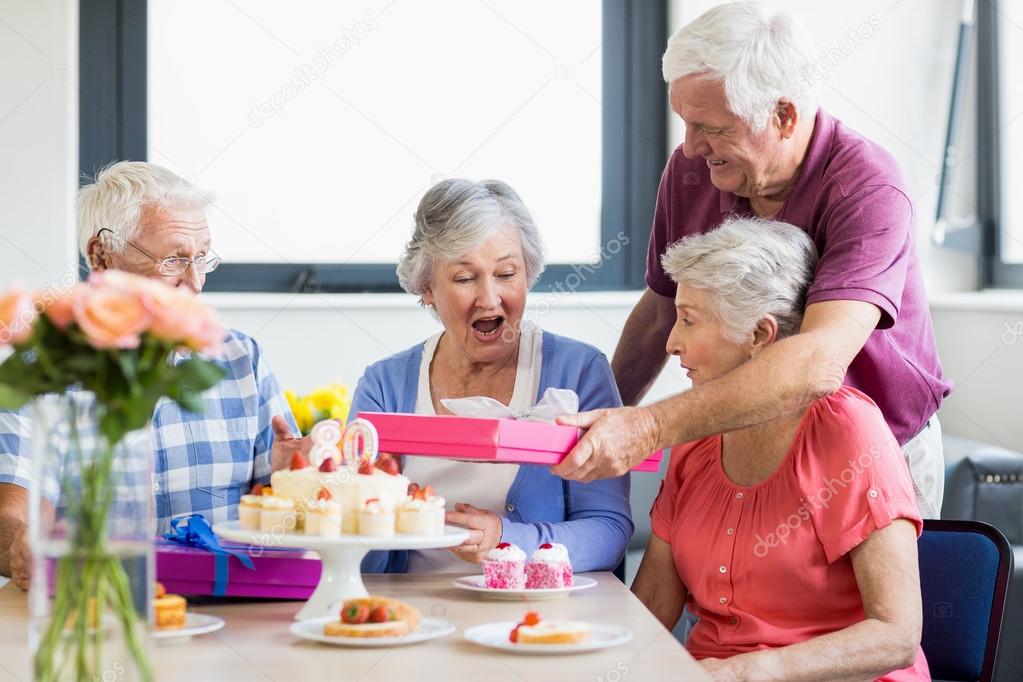
Many people like to continue to celebrate birthdays and other anniversaries that they used to share with their partner, and it can give great comfort to remember the past times experienced together. Social gatherings offer the opportunity to tell stories of their life together. In this way, sharing their happy holiday anecdotes can help keep the memory of a loved one alive.
Time for Quiet Reflection
All good assisted living and long-term care nursing facilities pride themselves on the level of social activities they can offer, arranging entertainment and parties in order for their residents to feel engaged and enjoy the many physical and mental benefits of social interaction. However, at times this may be overwhelming for some people.

For example, the first Christmas after a bereavement can amplify feelings of loss, so if it is too soon, it should also be understood that some people would prefer to sit out a particular celebration, spend time alone in quiet reflection, and be allowed to grieve quietly on their own.
Establishing New Traditions and Rituals
It’s likely that after many years together, a couple will have many special, significant dates that, after a loss, maybe too painful to celebrate. Moving into Long-Term Care can provide the chance to start enjoying new traditions and routines for a new stage in life. Many assisted living facilities and nursing homes have their own individual ways of celebrating, such as holding a tea party every month to mark residents’ birthdays. However, as well as large public commemorations, studies have shown that people who appear to cope better with bereavement perform new personal rituals that are meaningful to them and that helps them to address their grief. If nursing staff are aware of these rituals and traditions, they can enable them to continue in some way, helping residents to continue to benefit from the comfort they bring.

Holidays and celebrations are never easy after the loss of a loved one, especially during the first year when many reminders trigger feelings of grief. Many older people will find comfort in keeping busy, interacting socially and sharing celebrations while others may want to spend time alone in quiet contemplation. With a little thought to recognizing these differences, all residents in Long-Term Care can be given the support that they need to grieve in their own way.

Sponsored