Continuing Care at Home Programs Allow You to Maintain Control

About This Article
More people today understand the need to plan for the financial costs and burdens of aging. A new concept allows for in-home care and aging in place as you protect savings and ease family stress.
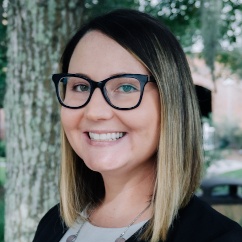
Amanda Young
Senior Director of Independent Living at Franke at Seaside and the Director of BeWell@Home.
In the midst of this global pandemic, adults who are 50 and older may consider or reconsider how they will plan for the financial costs and burdens of aging.
The majority of people want to remain in their own homes and maintain control of their lives and future health care decisions; however, there needs to be a plan in place to be successful in that journey.
Several Options to Consider
There are several options people consider, often before they retire as part of their over-all retirement planning. As you begin your research you will find options that include:
- Life Plan Communities or Continuing Care Retirement Communities
- Long-Term Care Insurance
- Hybrid Life/LTC Insurance
- Annuity/LTC Insurance
- 55+ Residential Communities
One option to be aware of is the concept of Continuing Care at Home (CCaH).
Aging in Place Popular Option
CCaH programs are for independent adults who want to age in place, preserve assets, and maintain autonomy and agency through life. It offers a financial component similar to Long-Term Care Insurance but offers proactive wellness coordination that sets itself apart from other products on the market.
Most programs are associated with a brick and mortar Life Plan Community allowing CCaH members to utilize services and amenities on the campus. Programs also have separate events and programming for members to provide engagement and socialization.
This model started in the early 1990s with the program Friends Life Care in the Philadelphia area. Today, 31 programs operate across the country and serve over 5,000 older adults and growing. Programs are in Pennsylvania, New Jersey, Ohio, Iowa, Connecticut, New Hampshire, New York, Virginia, North Carolina, South Carolina, Georgia, Florida, Tennessee, Michigan, Arizona, and Hawaii.
COVID-19 Means CCaH Even More Desirable
With the circumstances of COVID-19 and the desire for more adults to age in place, there will probably be an increase in programs and more states added to this list in the future. These programs are nonprofit and share a common mission of serving older adults and increasing quality of life.
CCaH programs usually offer various plan options and can often work with existing Long-Term Care Insurance policies and offer more comprehensive coverage. Most plans have a one-time membership fee and an ongoing monthly fee that has some tax deductibility. Proactive wellness coordination remains a key component of the CCaH program.
Recent benchmarking of about 13 programs from across the country has shown only 1% of members making a permanent transition into skilled nursing homes. The data also showed a drastic reduction in hospital readmission at only 5% compared to an average Medicare recipient rate of 16%.
Some of the services often provided include care coordination, home safety inspection, transportation services, in-home skilled and semi-skilled services, companion/homemaker services, emergency response services, and wellness and social programs.
These programs allow older adults to remain in control of their future and help them secure financial assets even as the cost of care continues to increase. Check with your local nonprofit Life Plan Community to see if they offer a CCaH option.