Fun Ways to Chase Winter Blues Away

About This Article
Winter impacts everyone's mood. Seasonal Affective Disorder can be especially disruptive for older people increasing their dependence on others for daily activities.

Sally Phillips
Sally Phillips is a freelance writer with many years’ experience across many different areas. She enjoys reading, hiking, spending time with her family, and traveling as much as possible.
You might notice it first as a vague heaviness — a reluctance to get out of bed, a shorter fuse, a craving for comfort food and sleep. Seasonal Affective Disorder, or SAD, is far more than the "winter blues." It's a recognized form of depression tied to seasonal changes in light and mood, and it affects millions of Americans each year — regardless of age, health status, or how active a life they lead.
For older adults, though, SAD can hit harder and hide more easily. You might see the symptoms in yurself, or a older family member — fatigue, social withdrawal, low motivation, disrupted sleep — mirror or magnify conditions that already come with aging, including chronic pain, mobility challenges and early cognitive decline. That overlap makes SAD harder to spot and easier to dismiss as "just getting older." It isn't. And for the millions of seniors managing their health and independence at home or in a care setting, understanding how SAD works — and what can be done about it — matters more than most people realize.
Less daylight and winter weather can have an adverse impact on our mental health. Older people are even more affected by the snow and cold because apart from facing common chronic diseases that come with aging, they can also be more susceptible to the winter blues.
Winter and lack of sunlight impacts everyone's mood. Seasonal Affective Disorder can be especially disruptive for older people increasing their dependence on others for daily activities.
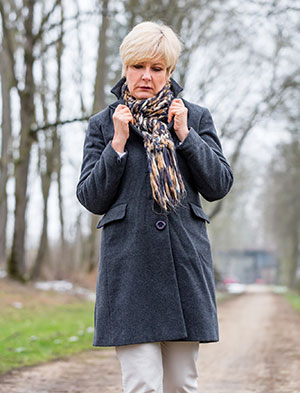
If the shorter days of fall and winter leave you or someone you love feeling persistently low, sluggish or withdrawn, it may be more than a passing mood. Seasonal Affective Disorder, or SAD, affects roughly roughly 5% of Americans, according to research cited by NBC News, with another 10 to 15 percent experiencing a milder variation of the condition. It's a recognized form of depression — not a personality quirk or a sign of weakness — and it deserves real attention.
SAD typically begins in adulthood, and the risk increases with age, according to John Hopkins University Health. Women are affected more often than men. For older adults, the warning signs can be easy to overlook: persistent low mood, changes in appetite or sleep, irritability, anxiety and social withdrawal. Those symptoms often blend into — or worsen — existing health challenges that come with aging, including chronic pain, reduced mobility and early cognitive changes. The result is a condition that frequently goes unrecognized and untreated in the people who need help most.
Loneliness compounds the problem. Even before the COVID-19 pandemic, older Americans were reporting record levels of isolation. While that crisis has eased, many seniors still limit outings due to health concerns, and winter weather — cold temperatures, limited daylight, snow and clouds — makes getting out even harder. Because SAD can persist for several months, taking steps to support mental and physical wellbeing during winter isn't optional for older adults. It's essential.
 It may be tempting to curl up on the couch and watch TV all day when it’s cold outside, but doing something productive may be better to keep winter sadness at bay. Taking up a new hobby such as embroidery, assembling jigsaw puzzles, or coloring in adult coloring books can help you pass the time in a beneficial way as all of these activities can help to keep the mind active.
When you do things that challenge your brain, this results in better mental health and may even help to prevent dementia.
Exercise
 You may not feel like going for a walk or a run when it’s snowing outside, but there are other ways to stay active, keep fit, and chase the winter blues away. You can join a senior ballroom dancing class at your local community center or go for a walk in the mall. If you love to exercise, why not create a home gym so you can stay fit without breaking the bank? Try exercising along to a workout DVD, lifting light weights, or do yoga. Whatever you choose to do, make sure to be consistent and exercise at least three times a week for your physical and mental health.
Stay Social
 Though most people would like to hibernate when it’s cold outside, maintaining your favorite social activities can help to boost your mood and keep the winter blues away. Invite your friends for a winter potluck, or meet up for coffee at a warm and cozy coffee shop. Staying social prevents you from becoming isolated and lonely during the cold winter months.
This winter, follow these tips to keep winter sadness away. Doing so enables you to stay healthy and happy during the long cold months.
Medical Treatment for SAD
There are medical treatments available for SAD:
- Get Some Sun. Spending time outside or near a window can help relieve symptoms if the sun is out.
- Light therapy. If the sun isn't out, exposure to a special light designed for those who suffer from SAD can be helpful.
- Psychotherapy. Cognitive-behavioral or interpersonal therapy improves interpersonal relationship skills and identifies things that cause you to stress and how to manage them.
- Antidepressants. These prescription medicines can help correct the chemical imbalance that may lead to SAD.
How Caregivers and Long-Term Care Facilities Can Help
If an older family member has a caregiver at home or lives in a long-term care facility, they have a real advantage when it comes to managing SAD. Trained caregivers are in a position to notice the early signs of seasonal depression — changes in appetite, increased withdrawal, disrupted sleep or a noticeable drop in energy — before family members who visit less frequently ever would.
Professional home caregivers can build daily routines that directly counter the effects of SAD. That means encouraging morning light exposure, whether through a walk outside or sitting near a bright window, keeping mealtimes consistent, and gently motivating seniors to stay socially engaged rather than retreating into isolation. Small, consistent actions matter enormously when someone is fighting a months-long mood disorder.
In assisted living communities and skilled nursing facilities, residents often have structured access to group activities, social programming and wellness check-ins — all of which serve as natural buffers against seasonal depression. Many facilities also work closely with mental health professionals who can assess residents for SAD and recommend treatment options, including light therapy, counseling or medication when appropriate.
For family members, the key is communication. Talk to the caregiver or the care team about what you're noticing — even subtle changes in mood or behavior. Share your concerns early. A good caregiver will take that information seriously and adjust their approach. If your loved one doesn't yet have professional support at home, winter is a good time to explore options. You can use the LTC News Caregiver Directory to find qualified home care providers or quality long-term care facilities in your area.
Remember, if your loved one purchased a Long-Term Care Insurance policy before they retired you can use those tax-free benefits to pay for their care, even at home. Need help filing a claim? LTC News partners with Amada Senior Care to provide free claim support with no cost or obligation. Their trained experts can walk you through the entire process and help you access benefits quickly and correctly — File a Long-Term Care Insurance Claim.
If your loved one does not have an LTC policy, they might have life insurance. If they have a life insurance policy, you could sell it for cash now to cover the costs of care. What about you? Don't be "sad" about aging, prepare for it by adding Long-Term Care Insurance to your retirement plan.
👉 Compare Long-Term Care Insurance Companies and Products
👉 Long-Term Care Insurance Learning Center
Frequently Asked Questions: Seasonal Affective Disorder, Winter Depression, and Older Adults
What is Seasonal Affective Disorder (SAD) and why does it affect older adults?
Seasonal Affective Disorder (SAD) is a type of depression linked to seasonal changes, especially during the winter months when daylight hours decrease. Older adults can be more vulnerable because aging often brings chronic health conditions, reduced mobility, social isolation, and less exposure to sunlight. SAD may increase sadness, fatigue, irritability, and dependence on others for daily activities.
What are common signs of winter depression in seniors?
Warning signs of SAD or winter depression in older adults may include:
- Persistent sadness or low mood
- Sleeping too much or insomnia
- Loss of energy
- Increased appetite or carbohydrate cravings
- Withdrawal from family and friends
- Anxiety or irritability
- Difficulty concentrating
- Reduced interest in favorite activities
Families should pay close attention if these symptoms last for weeks or worsen during winter.
Why does lack of sunlight impact mental health?
Reduced sunlight can disrupt the body’s internal clock and lower serotonin levels, which affect mood. Less daylight can also interfere with melatonin production, impacting sleep patterns. For many older adults already spending more time indoors, winter darkness may worsen feelings of loneliness and depression.
Are seniors more at risk for loneliness during winter?
Yes. Winter weather, snow, ice, and cold temperatures often make it harder for older adults to leave home safely. Some seniors also continue limiting social interaction because of concerns about illness exposure. Isolation can increase the risk of depression, anxiety, cognitive decline, and worsening physical health.
Can staying mentally active help reduce winter sadness?
Yes. Keeping the brain engaged through hobbies and learning activities may improve emotional well-being and cognitive health. Activities such as puzzles, crafting, reading, music, painting, embroidery, and adult coloring books can help older adults stay mentally stimulated and socially engaged during winter months.
Does exercise help with Seasonal Affective Disorder?
Regular exercise is one of the best natural ways to improve mood and reduce symptoms of depression. Physical activity boosts endorphins, improves sleep, supports brain health, and reduces stress. Seniors may benefit from:
- Walking indoors at malls
- Senior fitness classes
- Yoga or stretching
- Dancing
- Light strength training
- Home workout programs
Even moderate activity several times a week can positively impact mental and physical health.
Why is social interaction important for seniors during winter?
Social interaction helps reduce loneliness, depression, and feelings of isolation. Staying connected with friends, family, community groups, or faith organizations can significantly improve emotional health during cold winter months. Regular conversation and companionship also support cognitive function and overall well-being.
What medical treatments are available for Seasonal Affective Disorder?
Treatment options for SAD may include:
- Light therapy using specialized SAD lamps
- Increased sunlight exposure
- Cognitive behavioral therapy (CBT)
- Interpersonal therapy
- Prescription antidepressant medications
- Lifestyle changes including exercise and social engagement
A physician or mental health professional can help determine the best treatment plan based on symptom severity.
Can untreated depression increase long-term care risks for older adults?
Yes. Untreated depression and chronic isolation may contribute to declining physical health, falls, memory problems, reduced independence, and worsening chronic disease management. Over time, emotional health struggles can increase the likelihood an older adult may eventually require additional support services or long-term care.
How can families help older loved ones avoid winter depression?
Families can support aging loved ones by:
- Encouraging regular social interaction
- Helping them stay physically active
- Scheduling routine check-ins
- Assisting with transportation during winter weather
- Encouraging hobbies and meaningful activities
- Ensuring proper nutrition and sleep
- Discussing symptoms with a doctor when needed
Even small efforts to increase connection and routine can make a major difference during winter months.
Why is emotional health important as you age?
Mental health directly affects physical health, independence, memory, sleep, and quality of life. Addressing emotional wellness early can help older adults remain active, engaged, and healthier longer. Winter depression should never be dismissed as simply “part of aging.” Early attention and support can improve outcomes and quality of life for seniors and their families.


Sponsored