Dining Room Design in Senior Living Impacts Health, Independence, and Quality of Life

About This Article
Dining spaces in senior living communities influence far more than meals, they shape independence, safety, and emotional well-being. Here’s why design decisions can directly affect quality of life and long-term care outcomes.

Linda Kople
Linda Kople is a freelance writer focused on caregiving, aging, health, wellness, long-term care, and retirement planning
Table of Contents
- Why Dining Spaces Matter More Than You Think
- Supporting Independence Through Smart Design
- Comfort Is About More Than Cushions
- Emotional Power of Mealtime
- Emotional Role of Dining Environments
- Supporting Cognitive Health Through Design
- Safety, Hygiene, and Durability Still Come First
- Why Facilities Invest in Dining Design
- Hospitality Meets Healthcare
- Designing for the Future of Aging
- Where Design Becomes Part of Care
- What This Means for You and Your Family
- The Bigger Picture: Planning for Care Before You Need It
- Eating Area is Key
You probably don’t think much about a dining room until it begins to affect your or your loved ones' independence, safety, or willingness to eat. In senior living communities, dining spaces influence far more than appearance. They shape how residents move, interact, and maintain their dignity.
The right design supports confidence and connection. The wrong one can quietly contribute to isolation, poor nutrition, and even increased fall risk. The right environment promotes quality of life. At the center of this experience are the restaurant tables and chairs, which quietly shape how the entire room functions. The right combination creates stability, comfort, and ease of movement, while the wrong setup can instantly make the space feel restrictive and uncomfortable.
Why Dining Spaces Matter More Than You Think
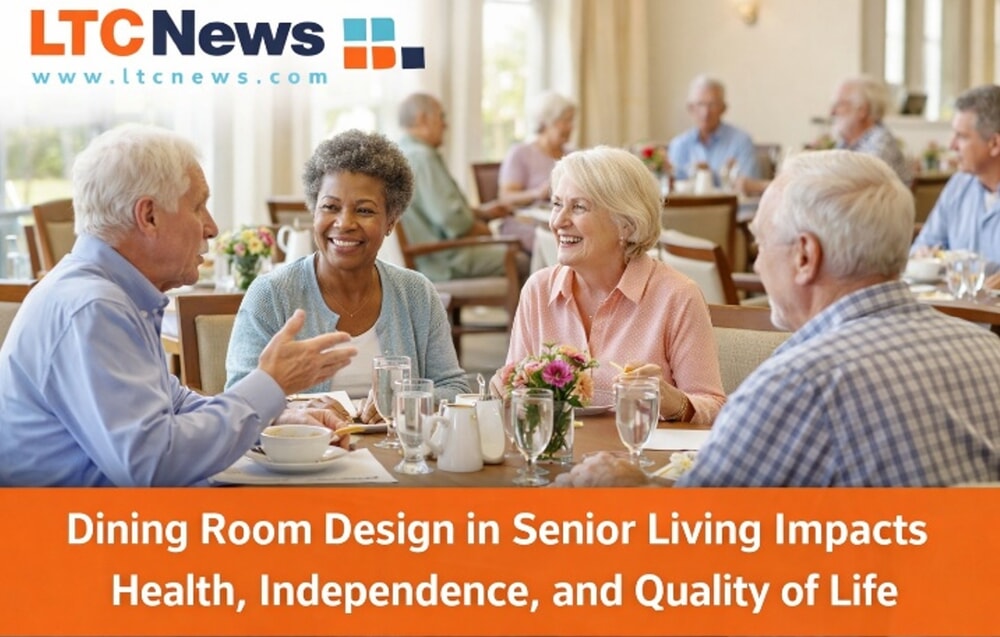
Walk into a thoughtfully designed dining room, and you notice it immediately. The space feels calm. Residents move confidently. Conversations happen naturally. Meals feel social—not clinical.
Now compare that to a poorly designed space. Chairs are hard to navigate. Lighting is harsh. Noise echoes. Residents rush through meals or avoid the space altogether.
This isn’t just about aesthetics. It directly affects:
- Nutrition and meal participation
- Social interaction and mental health
- Fall risk and physical safety
- Overall quality of life
As the need for care and support grows, the environments where that care is delivered, especially dining spaces, play a critical role in outcomes.
Supporting Independence Through Smart Design
You want your loved one to maintain independence as long as possible. Dining rooms play a bigger role in that than most people realize.
As mobility changes with age, design must adapt:
- Chair design matters: Arms for support, stable frames, and easy movement
- Table height matters: Typically 28–30 inches for wheelchair access
- Spacing matters: Wide pathways reduce fall risk and frustration
When residents can sit, stand, and move without assistance, they feel more confident. That confidence often leads to:
- More consistent meal attendance
- Increased social interaction
- Greater sense of dignity
Small design choices can preserve independence in meaningful ways.
Comfort Is About More Than Cushions
Comfort isn’t just about soft seating. It’s about how the body feels over time. Most residents spend 45 to 60 minutes per meal, often three times a day. That is hours of sitting daily.
Effective dining furniture should:
- Promote proper posture
- Reduce pressure points
- Feel warm and inviting, not cold or institutional
- Be easy to clean without sacrificing comfort
Even temperature and materials matter. If a chair feels cold or rigid, residents may cut meals short, which can affect nutrition.
Emotional Power of Mealtime
Meals are more than nourishment. They are one of the last consistent social rituals many older adults maintain. A well-designed dining space encourages:
- Conversation
- Routine
- A sense of belonging
Design elements that support this include:
- Table size variety: Small tables (2–4 people) for intimacy. Larger tables for group engagement
- Lighting: Warm, even lighting reduces glare and improves mood
- Layout flexibility: Residents can choose how social they want to be
Dining environments are one of the most overlooked factors in senior care, yet they directly influence nutrition, social engagement, and even cognitive health. When residents feel comfortable and confident in that space, outcomes improve.
What’s good for the heart … is excellent for the head,” says Susan Wehry, a geriatric psychiatrist and medical advisor to The Cedars Learning Community. — Susan Wehry, a geriatric psychiatrist and medical advisor to The Cedars Learning Community.
She emphasizes that lifestyle factors, including environment, activity, and social engagement, play a critical role in brain health and overall well-being.
Emotional Role of Dining Environments
One of the most social activities in every senior living community is eating. It is where people make friends, keep their routines, and feel like they belong.
Most food and eating activities involve social engagement with others. — Julie Locher, a researcher at the University of Alabama at Birmingham who studies nutrition and aging.
A well-planned dining area encourages people to talk to one another. Tables for two to four individuals make the space feel more private, while bigger communal tables can be used for gatherings or group activities. The layout should be different so that residents can pick how they wish to get involved.
Lighting can also strongly affect how you feel. Warm, evenly distributed lighting makes the room feel more inviting and less harsh. It also makes things easier to see, which is important for people with visual impairments.
Supporting Cognitive Health Through Design
For individuals living with dementia or cognitive decline, dining rooms can either reduce anxiety or increase confusion.
Smart design reduces cognitive load:
- Clear, consistent layouts
- Visual contrast between floors, walls, and furniture
- Simple navigation pathways
- Recognizable seating areas
These features help residents:
- Find their seat more easily
- Navigate independently
- Feel less overwhelmed
Even small visual cues can make a meaningful difference in daily functioning.
Safety, Hygiene, and Durability Still Come First
While comfort and aesthetics matter, safety is essential. Dining spaces must meet strict standards:
- Easy-to-clean surfaces to support infection control
- Rounded edges to reduce injury risk
- Stable furniture residents can safely rely on
- Durable materials that withstand heavy use
The goal is balance. The space should feel like home, not a hospital, while still protecting residents.
Why Facilities Invest in Dining Design
If you have ever toured a senior living community, you likely noticed the dining area right away. Families do too. Dining spaces often influence decisions because they reflect:
- Quality of care
- Attention to detail
- Resident lifestyle
Communities that invest in dining design often see:
- Higher satisfaction scores
- Better occupancy rates
- Improved staff efficiency
Operational benefits include:
- Reduced furniture replacement costs
- Faster and safer service flow
- Increased resident engagement during meals
In today’s competitive market, dining design is both a care decision and a business strategy.
Hospitality Meets Healthcare
Senior living dining rooms are where hospitality and healthcare meet:
- Healthcare: Safety, accessibility, clinical needs
- Hospitality: Comfort, ambiance, experience
The best communities strike a balance. Residents should feel like guests, not patients. That shift in perception can improve mood, encourage participation, and enhance overall quality of life.
The idea is to make the space feel more like a restaurant than a school or hospital, without making it less safe or harder to access. People who live there should feel like guests, not patients, or better yet, feel more like they are home. That change in how they see things has a big impact on their daily lives.
When searching for an extended care facility for a loved one, be sure to pay attention to the eating areas. Start your search with the free LTC News Caregiver Directory, which lists over 80,000 care providers and facilities nationwide.
If you manage a care facility or home health agency be sure to claim your free listing on the LTC News Caregiver Directory and/or upgrade the listing to enhance visibility and highlight your staff and services through the LTC News Directory Business Portal.
Designing for the Future of Aging
The U.S. population continues to age rapidly. Adults age 65 and older are projected to make up more than 20% of the population in the coming years. That means senior living environments must evolve.
Future dining spaces will likely include:
- Flexible layouts for changing needs
- Multi-purpose furniture
- Integrated technology
- Continued focus on accessibility and social engagement
Design can no longer be static. It must adapt alongside the people it serves.
Where Design Becomes Part of Care
At its best, dining room design becomes an extension of care itself.
It helps residents:
- Maintain independence
- Feel safe and supported
- Stay socially connected
It helps staff:
- Work more efficiently
- Deliver better service
And it helps families feel confident in their choices.
What This Means for You and Your Family
If you are evaluating a senior living community, do not overlook the dining room. Ask yourself:
- Does it feel welcoming or clinical?
- Can residents move easily and safely?
- Are people engaged or rushing through meals?
- Would you feel comfortable eating there every day?
These details are not minor. They are direct indicators of how care is delivered.
The Bigger Picture: Planning for Care Before You Need It
Dining design is just one piece of a much larger reality. As you age, your environment will increasingly shape your independence, health, and daily experience. Even if you stay healthy, aging brings changes in mobility, vision, and cognition that may require support.
Medicare and traditional health insurance only cover short-term skilled care, typically up to 100 days. They do not cover ongoing help with daily activities such as bathing, dressing, or supervision due to cognitive decline.
Long-Term Care Insurance helps fill that gap. It provides tax-free benefits that can be used for care at home, in assisted living, memory care, or nursing facilities. This gives you access to environments designed to support your independence and quality of life. However, keep in mind that you usually purchase an LTC policy before you retire because of medical underwriting.
Eating Area is Key
Dining rooms in senior living communities are not just about meals. They are about dignity, independence, safety, and connection. When design is done right, it becomes part of care. The quality of life will improve when the eating area supports socialization, comfort, and safety.
Frequently Asked Questions
Does Medicare cover long-term care in these facilities?
No. Medicare only covers short-term skilled care. Long-term custodial care is not covered, which is why planning ahead is essential.
How does dining design impact people with dementia?
Consistent layouts, visual contrast, and clear navigation reduce confusion and anxiety for individuals with cognitive decline.
Why is dining room design important in senior living?
Dining room design affects safety, mobility, nutrition, and social interaction. Poor design can increase fall risk and reduce meal participation.
Can dining environments affect health outcomes?
Yes. Comfortable and welcoming spaces encourage longer meal times, better nutrition, and increased social engagement.
What features should a senior living dining room include?
Key features include accessible table heights, supportive chairs, clear pathways, proper lighting, and easy-to-clean surfaces.

Sponsored