Could a Walk-In Tub Help Your Parent Stay at Home Longer? What Gen X Families Should Know
About This Article
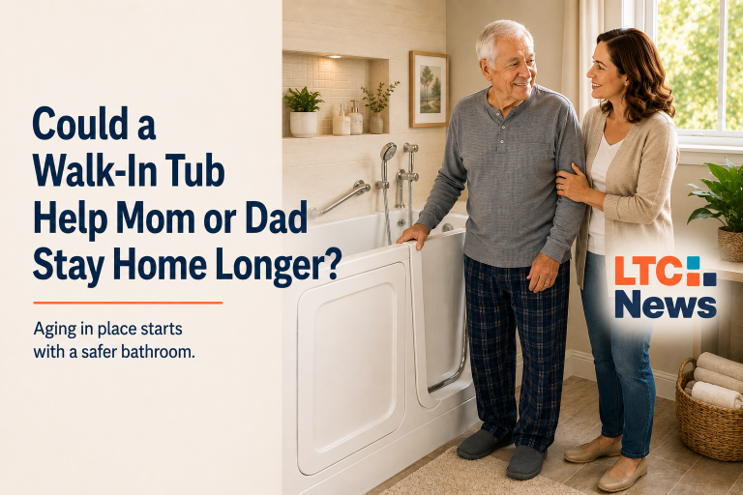
If you're helping an aging parent remain independent at home, bathroom safety may already be on your radar. Walk-in tubs are built differently from standard bathtubs, with low-entry thresholds, watertight doors, and built-in seating designed to reduce fall risk.

Marcus Howard
Marcus Howard writes about alternative health topics for older adults such as CBD, acupuncture, and herbal medicine.
Table of Contents
- Why Traditional Bathtubs Become More Difficult with Age
- Who Benefits Most from a Walk-In Tub?
- How Walk-In Tubs Are Built Differently
- Important Drawbacks You Should Consider
- When a Walk-In Shower May Be the Better Option
- A Walk-In Tub Is Only One Part of Aging in Place
- What Gen X Should Be Thinking About Today
- Can Long-Term Care Insurance Help Pay for a Walk-In Tub?
- Understanding the LTC Insurance Benefit Trigger
- Don't Wait for a Crisis
If you've caught yourself standing nearby while your mom or dad climbs into a bathtub, ready to steady them if they lose their balance, you're not alone.
For many American and Canadian families, the bathroom becomes one of the first places where aging starts to change everyday routines—and where safety concerns begin to grow. According to the Centers for Disease Control and Prevention, falls remain one of the leading causes of injury among older adults. Many occur in bathrooms where slippery surfaces, balance problems, arthritis, and mobility limitations create daily hazards.
As Generation X increasingly finds itself caring for aging parents while planning for its own retirement years, products designed to support aging in place have become more popular. Among the most discussed are walk-in tubs for seniors.
These tubs are not simply modified versions of standard bathtubs. They are engineered differently from the ground up to address mobility challenges, improve bathroom safety, and help support independent living.
Why Traditional Bathtubs Become More Difficult with Age
Stepping over a bathtub wall may not seem like a challenge today. However, mobility can change gradually as you or a loved one grows older. Conditions such as arthritis, joint replacements, neuropathy, chronic back pain, Parkinson's disease, stroke recovery, and balance disorders can make entering and exiting a traditional bathtub increasingly difficult and potentially dangerous.
According to CBC News reporting on fall-prevention research, stepping over a high obstacle such as a bathtub rim significantly increases fall risk for older adults which is a concern that researchers at Toronto's KITE Research Institute have worked to address through bathroom redesign.
The bathroom is such a high-risk environment.It's one of the most dangerous areas of the home."—Dr. Alison Novak, PhD, a Senior Scientist at the KITE Research Institute (Toronto Rehab–University Health Network) and an Associate Professor in the Department of Occupational Science and Occupational Therapy, University of Toronto.
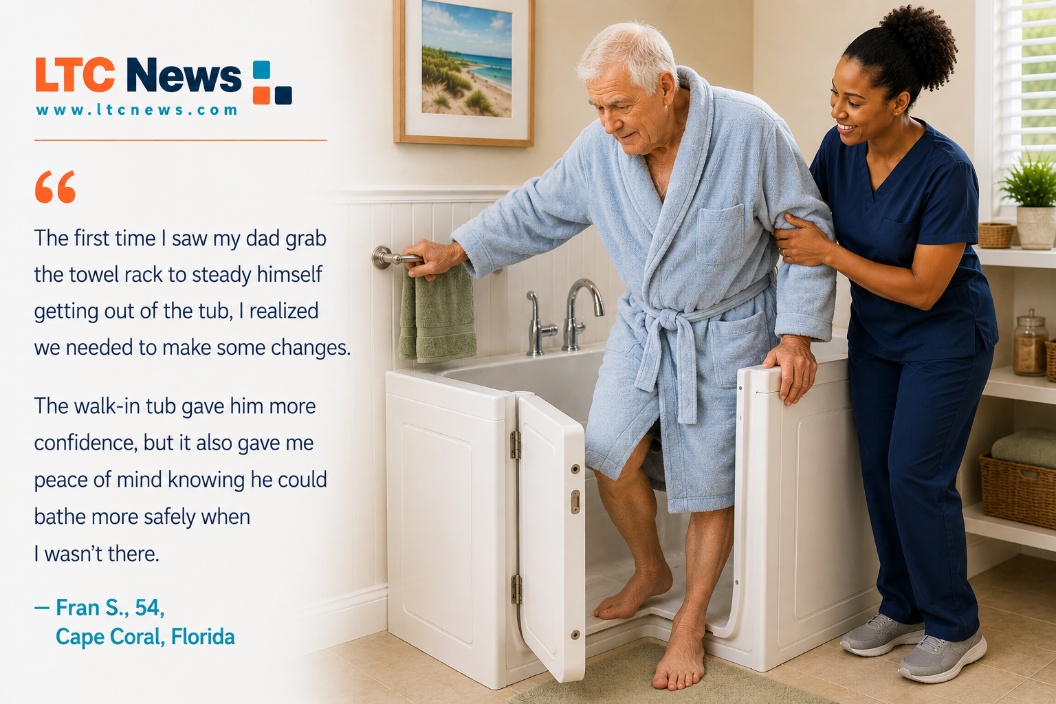
If you're helping an aging parent, the bathroom is often one of the first places where you notice changes in mobility and confidence. A parent who once moved easily may begin holding onto countertops, using walls for support, or avoiding baths altogether because they fear falling.
Concerns like these have contributed to growing interest in accessibility-focused products. Walk-in tubs have become one of the most recognized solutions in this area, featuring a watertight door that eliminates the need to step over a traditional tub wall. Many models include built-in seating, handrails, and hydrotherapy jets — combining safety with comfort. Many fine retailers offer these products in the United States, and Safety Bath Walk-In Tubs is one available in Canada.
Those changes deserve attention. A single fall can lead to hospitalization, rehabilitation, and a loss of independence.
Who Benefits Most from a Walk-In Tub?
A walk-in tub is not designed for everyone. However, it may be worth considering if your parent or loved one:
- Has arthritis or chronic joint pain
- Has experienced a previous fall
- Uses a cane or walker
- Has difficulty stepping over a traditional bathtub wall
- Wants to continue bathing independently
- Plans to remain at home as long as possible
If bathing has become stressful, uncomfortable, or risky, a walk-in tub may provide an added layer of safety, confidence, and comfort.
How Walk-In Tubs Are Built Differently
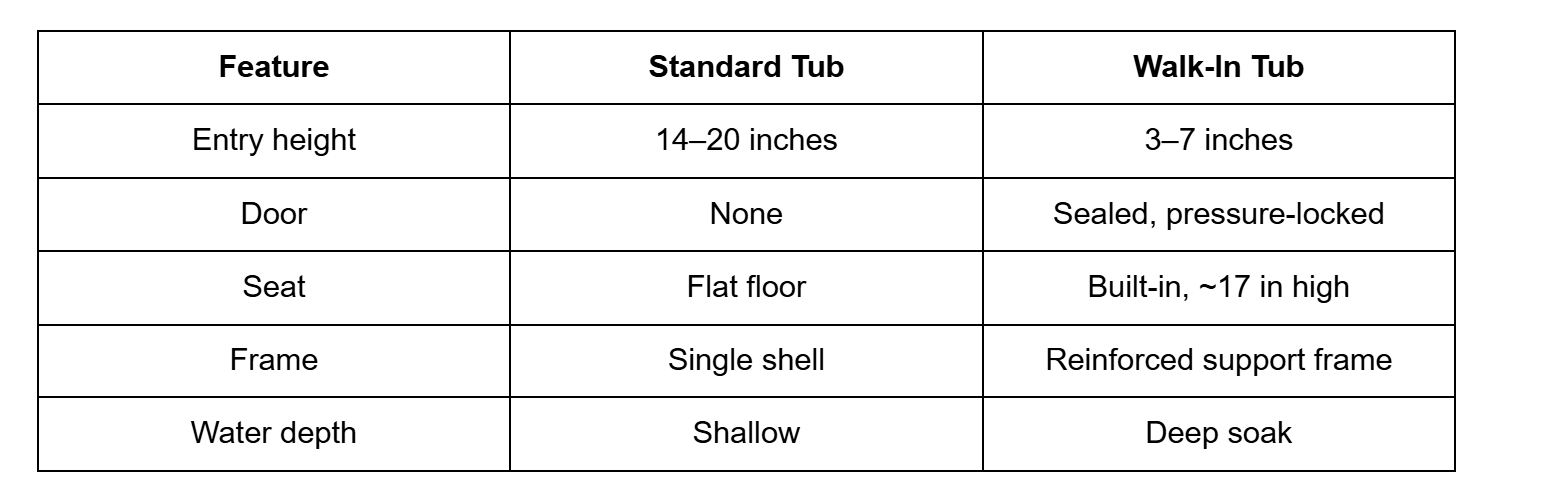
Unlike a standard bathtub, a walk-in tub is engineered around accessibility and safety. Most walk-in tubs are built around a molded seat roughly 17 inches high, close to the height of an ordinary chair, rather than a flat floor you have to lower yourself onto. The seat, the textured flooring, and the grab bars are all formed into the structure during manufacturing instead of being bolted on afterward.
- A Watertight Entry Door
The most obvious difference is the door. Instead of climbing over a high tub wall, you enter through a watertight door and step over a low threshold that is typically only a few inches high.
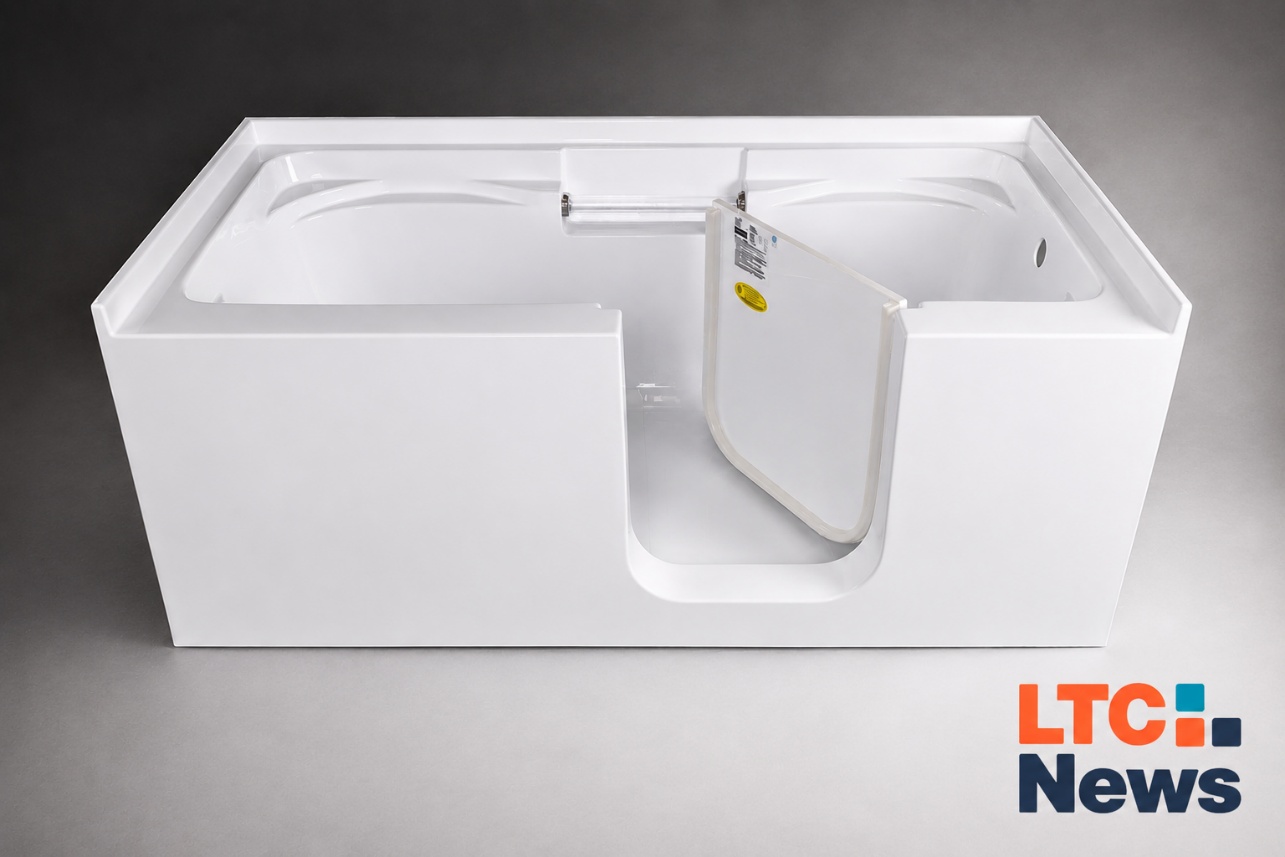
The door uses specialized gaskets and locking mechanisms designed to withstand the pressure created by a full tub of water. As water fills the tub, pressure helps strengthen the seal. Some doors swing inward while others swing outward. The best option depends on available bathroom space and the user's mobility needs.
With a standard tub, you stand and step out whenever you please. In a walk-in model, the door can't open until the water is gone, so a slow drain leaves you sitting in a cooling bath. Manufacturers get around this by engineering the drainage to move far more water, far more quickly, than an ordinary tub outlet does:
- Dual-drain systems empty the basin in roughly 80 seconds instead of several minutes
- Larger drain channels move more water at once than a typical tub outlet
- Gravity-assisted designs speed the final pull without extra parts
- Reinforced Structural Design
Adding a door creates engineering challenges that standard tubs do not face. Manufacturers compensate by reinforcing the shell and adding support frames underneath the tub. A filled walk-in tub may hold 50 to 80 gallons of water, which can weigh more than 400 to 650 pounds before accounting for the weight of the bather. The reinforced structure helps support that load while maintaining the integrity of the door opening.
- Built-In Seating
Most walk-in tubs include a permanently integrated seat. Instead of lowering yourself to the floor of the tub and then standing back up, you sit on a seat positioned at approximately chair height. For many people with knee, hip, or back problems, that design can make bathing easier and safer.
- Slip-Resistant Flooring and Safety Features
Most models also include:
- Slip-resistant flooring
- Integrated grab bars
- Handheld shower wands
- Easy-to-reach controls
Unlike aftermarket accessories, many of these safety features are incorporated directly into the tub's design.
- Features Beyond Basic Safety
Many walk-in tubs for seniors include features designed to improve comfort as well as accessibility. Depending on the model, you may find:
- Hydrotherapy jets
- Air massage systems
- Heated seats
- Heated backrests
- Aromatherapy systems
- Chromotherapy lighting
While these features are often marketed as luxury upgrades, some people find warm-water therapy helpful for easing stiffness associated with arthritis and other joint conditions. The primary benefit, however, remains safer bathing.
Important Drawbacks You Should Consider
Walk-in tubs are not the right solution for every household. Before making a purchase, you should understand several practical considerations.
- You Must Sit While the Tub Fills and Drains
Unlike a traditional bath, you enter the tub before it fills with water.
That means you remain seated while it fills and stay seated while it drains. Manufacturers have improved drain technology considerably, but the process still requires patience. For some people, this is a minor inconvenience. For others, it can become a deciding factor.
- Installation May Be More Involved Than You Expect
The total cost depends on the tub's features, your home's plumbing configuration, and whether electrical upgrades are required.
Installation is often more involved than replacing a standard bathtub, particularly if the unit includes hydrotherapy systems, heaters, or other powered features. Obtaining multiple estimates can help you better understand the full scope of the project.
U.S. and Canadian electrical and plumbing codes are not identical. A walk-in tub approved for installation in the United States may require different certification or modifications before being installed in Canada. Professional installers typically ensure compliance with local requirements.
When a Walk-In Shower May Be the Better Option
While walk-in tubs can improve safety for many older adults, they are not always the best solution. If your parent requires significant assistance transferring, uses a wheelchair full time or receives help from a caregiver during bathing, a barrier-free shower may provide easier access.
Before investing in any major bathroom modification, consider how your loved one's needs may change over the next several years. Consulting with an occupational therapist, aging-in-place specialist, or healthcare provider can help you identify the most appropriate solution.
A Walk-In Tub Is Only One Part of Aging in Place
One of the biggest mistakes families make is focusing on a single home modification while overlooking broader safety concerns. A walk-in tub can improve bathroom safety, but successful aging in place usually involves multiple adjustments throughout the home. You may also need to address:
- Better lighting
- Trip hazards
- Stair safety
- Medication management
- Transportation needs
- In-home care support
As health needs evolve, you may discover that occasional assistance gradually becomes regular caregiving.
What Gen X Should Be Thinking About Today
If you're in your late 40s, 50s or early 60s, you may be researching a walk-in tub for a parent today while quietly wondering whether you might need one yourself someday. That is why many Gen X families are having two conversations at once.
The first conversation focuses on helping a parent remain independent and safe at home. The second focuses on preparing financially and emotionally for their own future care needs.
A bathroom modification can improve safety, but it does not replace a broader long-term care plan. Home care, adult day care, assisted living, memory care, and nursing home services may all become part of the picture if health and age-related conditions worsen over time.
Planning before a family crisis occurs gives you more choices and often better outcomes.
Can Long-Term Care Insurance Help Pay for a Walk-In Tub?
This is one of the most common questions families ask. The answer depends on the policy and the circumstances surrounding the claim.
Most qualified Long-Term Care Insurance policies are designed primarily to pay for long-term care services rather than home remodeling projects. However, some policies include provisions that may help cover certain home modifications when they support a care plan and help a person remain safely at home. LTC policies in Canada may have different language.
Coverage depends entirely on the policy language. Some policies may include:
- Home modification benefits
- Alternative care benefits
- Care coordination services
- Home safety improvement provisions
For example, if an insured individual has met the LTC policy's benefit eligibility requirements, typically needing substantial assistance with at least two activities of daily living or having a qualifying cognitive impairment, the insurer may approve certain modifications that support care at home and potentially delay a move to a more expensive care setting.
In some situations, a care coordinator assigned through an LTC Insurance claim may recommend home safety modifications that support independent living. While a policy may not directly reimburse the entire cost of a walk-in tub, the recommendation may become part of a broader plan of care designed to help the insured remain safely at home.
👉 Get professional help with a Long-Term Care Insurance claim. LTC News partners with Amada Senior Care to provide free, no-obligation assistance in filing any LTC Insurance claim — File a Long-Term Care Insurance Claim.
Understanding the LTC Insurance Benefit Trigger
Qualified Long-Term Care Insurance policies in the United States begin paying benefits when a licensed healthcare professional certifies that the policyholder:
- Needs substantial assistance with at least two of six activities of daily living, or
- Has a qualifying cognitive impairment such as Alzheimer's disease or another form of dementia
Because bathing is one of the six activities of daily living used to determine benefit eligibility, bathroom safety concerns often become part of discussions during the claims process.
In Canada, Long-Term Care Insurance benefit triggers are generally similar in concept to U.S. policies, but there is less standardization than under the U.S. federal tax-qualified LTC insurance rules established by HIPAA.
Not every policy offers these benefits, and approval is never automatic. Review policy provisions carefully and consult the insurance company, claims administrator, or LTC Insurance specialist before making assumptions about coverage.
Don't Wait for a Crisis
You don't want the first conversation about bathroom safety to happen after a fall, emergency room visit, or hospitalization. Whether you're helping an aging parent today or thinking about your own future, evaluating bathroom safety before a problem develops can help preserve independence and reduce risk.
A walk-in tub may not be the right answer for every family. However, understanding how these systems are designed—and how they fit into a larger aging-in-place strategy—can help you make more informed decisions.
The goal isn't simply installing a new bathtub. It's helping someone you love remain safe, independent and confident in their own home while preserving dignity and quality of life as they age.
If your loved one eventually requires ongoing assistance, the LTC News Caregiver Directory can help you locate home care agencies, assisted living communities, memory care providers, and other long-term care resources nationwide.
Frequently Asked Questions
Are walk-in tubs better than walk-in showers?
It depends on the person's needs. Walk-in tubs may be ideal for someone who enjoys bathing and can safely transfer to a seated position. Barrier-free or roll-in showers may be a better choice for individuals who use wheelchairs, require significant caregiver assistance, or have more advanced mobility limitations.
Can Medicare or Canada's public health system pay for a walk-in tub?
Generally, no. Original Medicare in the United States and provincial health insurance plans in Canada typically do not cover walk-in tubs because they are considered home modifications rather than medically necessary equipment. However, some Medicare Advantage plans, provincial grant programs, tax credits, veterans' benefits, and accessibility assistance programs may help offset part of the cost.
Eligibility varies by location and program.
Do walk-in tubs require special installation?
Often, yes. Installation may involve plumbing modifications, electrical work for therapeutic features, and adjustments to accommodate the tub's size and drainage requirements. Older homes may require additional upgrades.
Who should consider a walk-in tub?
A walk-in tub may be a good option for someone who has arthritis, balance problems, difficulty stepping over a standard bathtub, a history of falls, or a desire to remain independent at home. They are often considered by families helping aging parents age in place more safely.
Can Long-Term Care Insurance help pay for a walk-in tub?
Some Long-Term Care Insurance policies may provide benefits for home modifications through alternative care benefits, care coordination programs, or home safety improvement provisions. Coverage varies by policy and is never automatic. Policyholders should review their contract and consult their insurer or claims administrator.
What is the biggest drawback of a walk-in tub?
One of the most common complaints is that users must sit inside the tub while it fills and remain seated while it drains. Although modern walk-in tubs feature faster drainage systems, the process can still take longer than using a traditional bathtub or shower.
Are walk-in tubs safer than traditional bathtubs?
Walk-in tubs can be safer for older adults and individuals with mobility challenges because they eliminate the need to step over a high bathtub wall. Most models include a low-entry threshold, built-in seating, grab bars, and slip-resistant flooring designed to reduce fall risk.

Sponsored