Trump’s Leg Swelling Diagnosis: White House Confirms Chronic Venous Insufficiency

About This Article
President Trump, 79, has been diagnosed with chronic venous insufficiency (CVI), a common condition in older adults. While usually benign, unmanaged cases can lead to complications that affect mobility, care needs, and quality of life.

President Donald Trump, 79, drew renewed health scrutiny this week after photos showed swollen ankles and a bruised hand. White House Press Secretary Karoline Leavitt released a memo from Dr. Sean Barbabella diagnosing him with chronic venous insufficiency—a “benign and common” condition in those over 70.
Ultrasound exams ruled out deep vein thrombosis and arterial disease. Heart, kidney, and systemic checks were normal. The hand bruise was attributed to frequent handshakes and daily aspirin use.
“The president remains in excellent health,” Leavitt said.
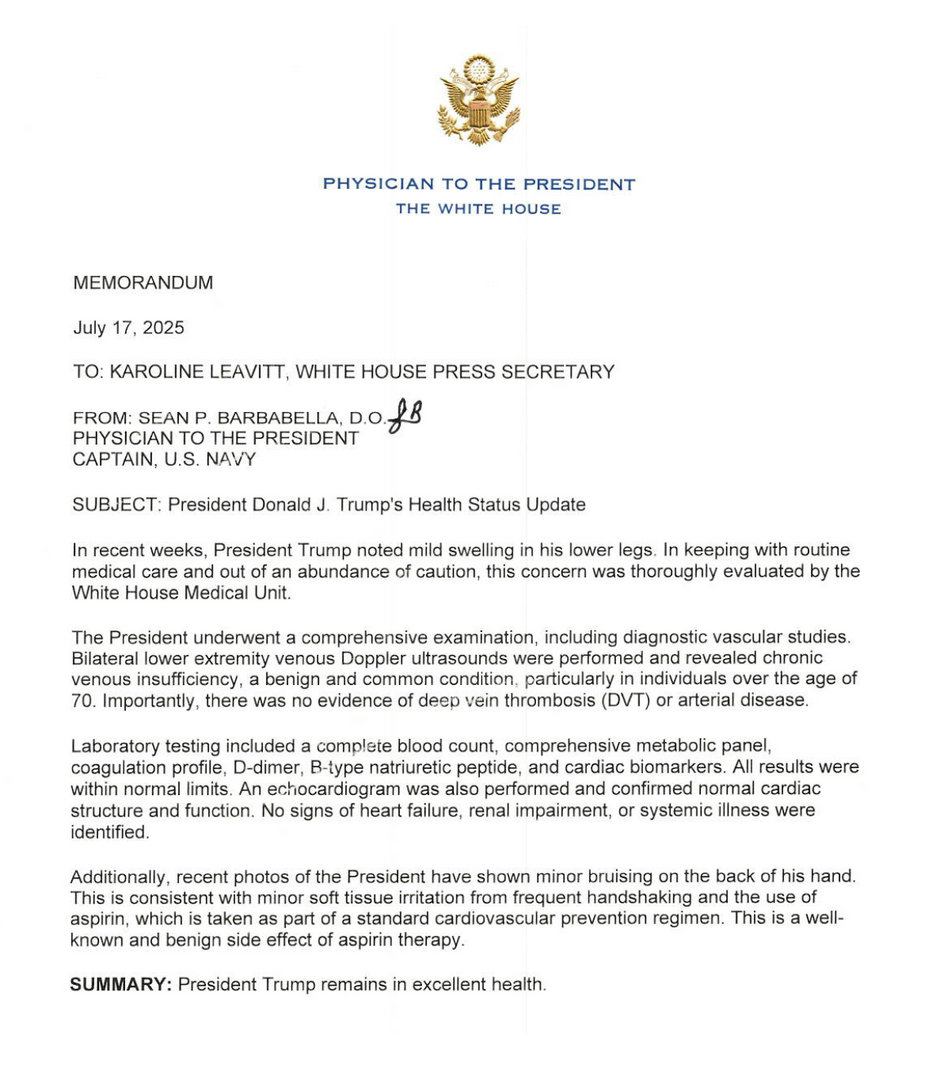
Reporters and onlookers had noted swelling and bruising at events, fueling speculation. The White House’s transparency appeared meant to quell rumors.
What is Chronic Venous Insufficiency?
Trump's condition, Chronic Venous Insufficiency (CVI), occurs when vein valves in the legs fail, allowing blood to pool in the lower extremities. It raises venous pressure and causes visible or symptomatic effects.
"Chronic venous insufficiency can significantly impact your quality of life, but early detection and treatment can make a substantial difference," said Dr. Joshua A. Beckman, a past volunteer chair of the American Heart Association's Vascular Health Advisory Committee and Scientific Council on Peripheral Vascular Disease.
“That is why it is vital for individuals to be aware of the signs and symptoms of CVI so they can seek timely medical evaluation and intervention.” — Dr. Beckman, Executive Clinical Director of Cardiovascular Services and Chief of the Division of Vascular Medicine, and a professor in the Department of Internal Medicine at UT Southwestern Medical Center in Dallas.
Typical symptoms include:
- Swelling in the lower legs or ankles
- Heaviness, aching, or itching sensations
- Varicose veins and skin discoloration
- In advanced cases, skin thickening and painful ulcers
Risk factors: Age, obesity, inactivity, genetics, pregnancy, and past clotting disorders.
How Common is CVI?
Chronic Venous Insufficiency (CVI) is a widespread condition affecting a significant portion of the U.S. adult population. Depending on the definition and specific study, CVI impacts an estimated 5% to 30% of adults.
More than 25 million Americans, including over half of those aged 70 and older, show signs of CVI, with women slightly more affected than men. Recent data from The SAGE Group suggests that the most severe stage of CVI alone affects over 50 million individuals in the U.S
- Affects 5–30% of U.S. adults, depending on the definition and study
- Over 25 million Americans—more than half over age 70—show signs
- Women are slightly more affected than men.
Potential Complications — and a CVI Reality Check
Most people with CVI never face serious issues, especially with early management.
“CVI runs the spectrum from very, very mild ... to very severe, where you have very severe swelling, skin changes… and even wounds.” — Dr. Thomas Maldonado, vascular surgeon and medical director, explained CVI severity at NYU Langone Health.
But if CVI worsens, it can cause:
- Venous ulcers—painful sores that heal slowly
- Skin infections like cellulitis
- Pain and fatigue that limit walking or standing
- Balance issues, raising fall risk
- Rarely, blood clots or deep vein thrombosis
These complications can disrupt daily living—like personal care or safe walking—and may require home health services or long‑term care. But one case does not predict another. President Trump’s variant is mild and symptom-free; most older adults—if they take preventive steps—won’t need more advanced care.
Medical experts say that even if the president doesn't have heart disease, the condition needs to be addressed. If it's not appropriately managed, severe swelling and ulcers can develop.
How Trump and Others Managed Symptoms
For President Trump, the White House says he remains symptom-free and active. He’ll likely follow a management plan that includes:
- Compression stockings
- Leg elevation and regular movement
- Pre-travel monitoring and breaks during flights or long events
Even with mild CVI, these strategies help prevent flare-ups or complications. That’s true for many adults over 70.
Key Takeaways for Adults Age 45 and Older
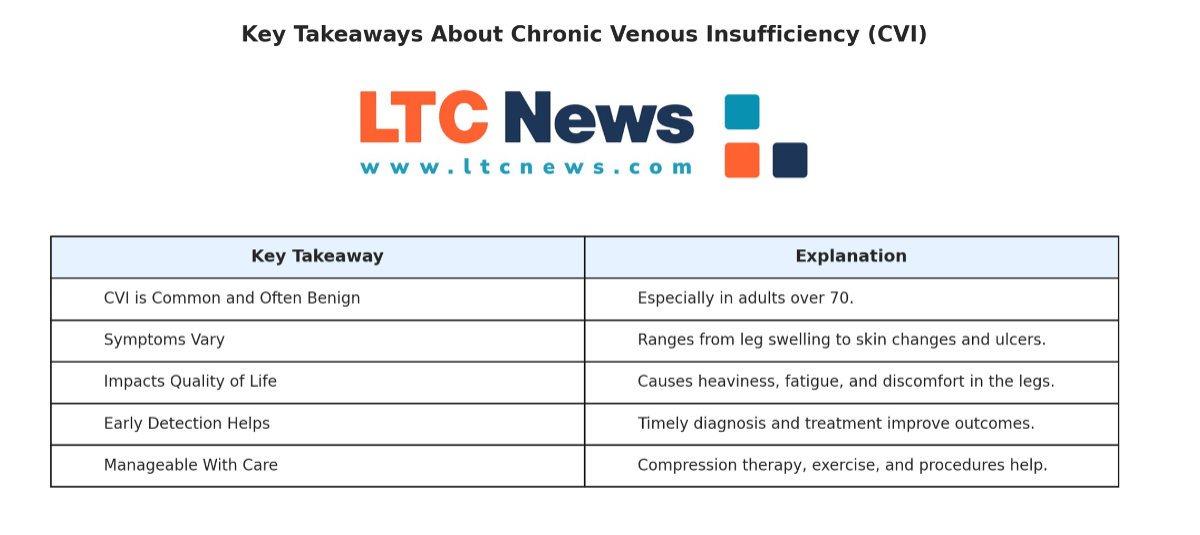
- Noticeable leg swelling, heaviness, or skin changes warrant a doctor’s visit.
- Conservative care—like walking, compression, and leg elevation—works well.
- Advanced treatments (sclerotherapy, ablation) are available if needed.
- Early action helps prevent ulcers, infections, and loss of mobility.
Regardless of your current health status, aging inevitably brings changes to your body, mind, and overall well-being. Many of these changes increase the likelihood of needing long-term care.
Taking a proactive approach—through regular checkups, exercise, and thoughtful retirement planning, including Long-Term Care Insurance—can reduce the future emotional and financial stress that often comes with aging and extended care needs.
Final Thought
President Trump’s CVI diagnosis reminds us that vein health changes with age. The condition is common and, in most cases, manageable. Serious complications are not inevitable—but early awareness and action make a difference.
Are your legs feeling heavier at night? Do you see swelling or discoloration? If so, consider checking in with your doctor—it could save you from bigger health hurdles.