Why Women's Health Changes After Menopause and the Screenings You Need
About This Article
Menopause marks the end of reproductive years, but it also marks the beginning of a new phase of health that can last 30 years or more. Changes in estrogen levels affect bone strength, heart health, metabolism, sleep, and disease risk.

Linda Maxwell
Linda Maxwell is a journalist who writes about aging, health, chronic illness, caregiving, and long-term care issues impacting older adults and their families.
Table of Contents
- Bone and Heart Health Quietly Move to the Front
- Health Tests Every Woman Should Discuss After Menopause
- Cancer Screenings Remain Important After Menopause
- Weight and Metabolism Stop Playing by the Old Rules
- Broken Sleep and Low Mood Are Not Simply "Getting Older"
- Why Post-Menopausal Health Matters for Long-Term Independence
- Questions Worth Bringing to Your Next Doctor's Appointment
- When Should You Start Thinking About Long-Term Care Insurance?
- If You Have a Spouse or Partner
- The Years After Menopause Are Worth the Attention
You finally made it through the hot flashes. The night sweats have eased, your cycle is gone for good, and you expected to feel like yourself again. Instead, something still feels off, and you cannot quite put your finger on why.
Maybe it is the extra weight that crept on despite no real change in how you eat. Maybe it is waking up at three in the morning for no reason, or walking into a room and forgetting why. Maybe it is a knee that aches in a way it never used to. You start to wonder if this is just what getting older feels like, or if your body is trying to tell you something.
You are not imagining it, and you are not alone. Millions of women reach this same point and ask the same quiet question: menopause was supposed to be the finish line, so why does it feel like something new is just beginning?
You may think menopause ends when your periods stop. In reality, menopause is the beginning of a new chapter in your health journey, one that deserves ongoing attention and proactive care. As Dr. Denise Millstine, a women's health internist and integrative medicine specialist at Mayo Clinic, puts it, menopause is the end of one phase of life, but it is also the beginning of a new chapter.
It is one of the most common questions women ask once their periods stop for good. The hot flashes may have settled, and the monthly cycle is gone, yet something still feels different, hard to explain. You may notice lower energy levels, lighter sleep, unexplained weight gain, joint discomfort, or mood changes that seem to appear out of nowhere. It is natural to wonder whether these changes are simply part of aging or signs that deserve medical attention.
Professor Rodney Baber, Professor of Obstetrics and Gynecology at the University of Sydney, says that women may notice changes in their bodies around the time of menopause. Each woman’s experience will be different due to traditions, culture, health, and the passage of time.
Somebody changes include muscle and joint pains, suddenly feeling hot and sweating, dryness in the vagina, which can cause sex to be painful, trouble going to sleep, or staying asleep, and changes in mood. These are usually temporary symptoms, and many women can manage these without treatment." — Professor Rodney Baber.
Not everything about menopause is bad. A good thing is not having periods anymore or worrying about getting pregnant unintentionally. Professor Baber says that some women, as they get older, become more self-confident and find they have more time for themselves.
Menopause is not an endpoint. It is a hormonal reset that changes how a woman's body functions for decades to come. Estrogen does far more than regulate menstrual cycles. It helps maintain bone density, supports cardiovascular health, influences metabolism, and affects brain chemistry. When estrogen levels decline during perimenopause and remain lower after menopause, many body systems begin to change.
That is why women in their 50s and 60s often experience symptoms that seem unrelated to hormones, including memory lapses, increased abdominal fat, changes in cholesterol levels, or stiffer joints. A doctor who understands post-menopausal health can help identify what is normal, what is treatable, and what deserves closer monitoring.
Many women look for a women's health clinic, or a doctor who specializes in women's health after 50, that treats this stage as its own area of care rather than a quick line at the end of a doctor's visit. A practice built around women's health has the time to ask about the broken sleep and the bone scan that never got booked.
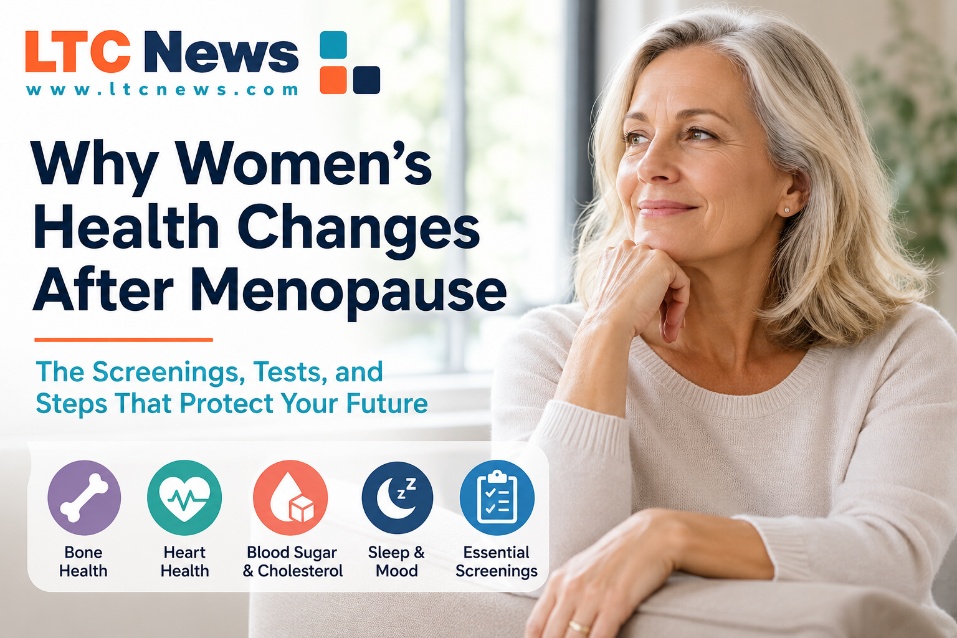
Bone and Heart Health Quietly Move to the Front
Before menopause, estrogen gives women a natural layer of protection against heart disease. Dr. DeLisa Fairweather, a Mayo Clinic cardiovascular disease researcher, explains that estrogen provides an incredibly protective effect against heart disease for women, which is why their risk mostly rises after menopause and later in life. Once that estrogen drops, the protection drops with it.
Estrogen is providing an incredibly protective effect against heart disease for women, which is really why the risks only go up for women, in most cases, after menopause and later in life." — Dr. Fairweather.
Dr. Karla Kurrelmeyer, a Houston Methodist cardiologist, says that within about a decade of your final period, much of that earlier protection is gone.
It increases your risk for future cardiovascular events significantly because you've lost 5 to 10 years of the protective effect of estrogen." —Dr. Karla Kurrelmeyer.
Lower estrogen levels can contribute to:
- Higher LDL cholesterol
- Lower HDL cholesterol
- Increased blood pressure
- Greater abdominal fat accumulation
- Increased inflammation
When estrogen levels decline, LDL cholesterol rises, and HDL cholesterol falls, says Dr. Leslie Cho, a Cleveland Clinic cardiologist. That shift, combined with the other changes above, helps explain why heart disease remains the leading cause of death among women in most developed countries.
Studies have shown that estrogen affects almost every tissue or organ system, including the heart and blood vessels. Estrogen likely affects the cardiovascular system in other ways, too, that are not yet understood.” — Dr. Leslie Cho.
Bone health follows a similar pattern. Estrogen plays an important role in maintaining bone strength. After menopause, bone loss accelerates, increasing the risk of osteoporosis and fractures later in life. Because osteoporosis develops silently, many women do not realize they have weakened bones until they suffer a fracture.
A broken hip or spinal fracture in your 70s may be linked to changes that began years earlier. Understanding your risk early allows you to take steps that may help preserve bone strength, mobility, and independence later in life.
According to the Royal Australian College of General Practitioners and Healthy Bones Australia, fracture-related illness can cause pain, reduced mobility, loss of function, and reduced quality of life, and many patients are unable to live independently following a hip fracture.
Health Tests Every Woman Should Discuss After Menopause
Many health conditions become more common after menopause and develop with few, if any, early symptoms. Regular screening can help identify problems before they affect your quality of life.
- Bone Density Testing
Bone density testing is one of the most important screenings after menopause. In the United States, recommendations vary by organization. The U.S. Preventive Services Task Force recommends osteoporosis screening for all women beginning at age 65, with earlier testing for younger postmenopausal women who have significant risk factors.
The National Osteoporosis Foundation takes a more conservative position, recommending a baseline screening at age 50 or at menopause for women with any risk factors — which is why some doctors suggest testing earlier than the USPSTF age cutoff. Younger post-menopausal women with elevated fracture risk may also benefit from screening.
Risk factors can include:
- Smoking
- Low body weight
- Long-term steroid use
- Early menopause
- Previous fractures
- Family history of osteoporosis
Women diagnosed with osteopenia or osteoporosis may need repeat testing based on their doctor's recommendations.
- Cholesterol and Cardiovascular Risk Screening
Many women are surprised to learn that cardiovascular disease becomes a greater concern after menopause. Doctors may recommend:
- Blood pressure monitoring
- Cholesterol testing
- Weight and waist circumference measurements
- Cardiovascular risk assessments
- Family history reviews
These evaluations can help identify problems before symptoms occur.
- Diabetes Screening
The risk of Type 2 diabetes increases with age and weight gain. The American Diabetes Association recommends screening for diabetes in adults beginning at age 35, and earlier for those with additional risk factors.
Testing may include:
- Hemoglobin A1c
- Fasting blood glucose
- Other tests recommended by your doctor
Women with obesity, hypertension, cardiovascular disease, or a family history of diabetes may require more frequent monitoring.
- Thyroid Function Testing
Thyroid disorders become increasingly common after age 50. Symptoms often resemble menopause and may include:
- Fatigue
- Weight gain
- Depression
- Hair thinning
- Brain fog
- Sensitivity to cold
Many doctors order thyroid testing when symptoms suggest thyroid dysfunction.
- Kidney and Liver Function Testing
Routine blood work often includes testing that evaluates:
- Kidney function
- Liver function
- Blood glucose levels
- Electrolytes
These tests become increasingly valuable as women age and begin managing multiple health conditions or medications.
Kidney disease often develops silently and may not cause symptoms until significant damage has occurred. High blood pressure and diabetes—both more common after menopause—are leading causes of chronic kidney disease.
- Vitamin D, B12, and Nutritional Testing
Vitamin D deficiency is common among older adults and may contribute to:
- Bone loss
- Muscle weakness
- Increased fall risk
Some women may also benefit from evaluation of vitamin B12, iron, and other nutrients when fatigue, weakness, memory problems, or neurological symptoms develop.
Cancer Screenings Remain Important After Menopause
Many women mistakenly assume cancer screenings become less important after menopause. In reality, staying current with recommended screenings becomes increasingly important as cancer risk rises with age.
- Breast Cancer Screening
Breast cancer remains one of the most common cancers affecting women. Screening recommendations vary based on age, family history, personal risk factors, and where you live. Talk with your doctor about when mammograms should begin and how frequently they should be performed.
- Cervical Cancer Screening
Menopause does not automatically end the need for cervical cancer screening. Many women continue screening into their 60s, depending on previous test results and personal health history.
Your doctor can determine when screening is no longer necessary.
- Colorectal Cancer Screening
Colorectal cancer screening has become increasingly important as rates of the disease have risen among younger adults. Screening options may include colonoscopy and stool-based testing.
The timing and frequency depend on your age, family history, and individual risk factors.
Weight and Metabolism Stop Playing by the Old Rules
One complaint that comes up repeatedly after menopause is that the same eating habits and exercise routines that once helped maintain weight no longer seem to work. This is not simply a matter of willpower.
Lower estrogen levels encourage fat storage around the abdomen. At the same time, muscle mass naturally declines with age, reducing calorie needs and slowing metabolism. The ideal weight for a women depends on age and other factors, always speak with your doctor on what is best for you.
Thyroid disorders can further complicate weight management.
Addressing these changes requires more than another diet plan. It often involves evaluating sleep quality, nutrition, physical activity, hormone-related changes, and underlying medical conditions.
Strength training becomes particularly important after menopause because it helps preserve muscle mass, maintain bone strength, and support metabolic health.
Broken Sleep and Low Mood Are Not Simply "Getting Older"
Many women are told that poor sleep and mood changes are unavoidable parts of aging. That assumption can leave treatable problems unaddressed. Night sweats frequently disrupt sleep for years after menopause. Chronic sleep disruption can contribute to:
- Depression
- Anxiety
- Irritability
- Poor concentration
- Memory difficulties
Lower estrogen levels also influence neurotransmitters that affect emotional well-being. Skin is another area quietly affected. Declining estrogen accelerates collagen loss, increases dryness, and disrupts the skin's microbiome in ways standard skincare rarely addresses. Several products can help address the problem. Nu Allume is one example of a skincare range developed specifically around these post-menopausal skin changes.
The goal is not to medicalize a normal stage of life. It is to determine which symptoms are expected and which may benefit from treatment. A woman who has not slept through the night in years does not have to accept exhaustion as her new normal.
Why Post-Menopausal Health Matters for Long-Term Independence
Women generally live longer than men. Longer life expectancy brings opportunities, but it also increases the likelihood of developing chronic health conditions that can affect independence later in life. Many experts say that long-term care is a woman's issue, as they typically becomes a default caregiver for her husband. By the time they need help, they are left on their own, with either adult children or professional caregivers helping.
That greater longevity for women becomes a significant issue because of extended care needs. Osteoporosis, heart disease, diabetes, arthritis, dementia, and stroke are among the health concerns that can make everyday activities more difficult as people age. Since women have greater longevity, they generally must deal with it for longer periods of time.
According to the U.S. Department of Health and Human Services, 56 percent of people turning age 65 today will require long-term services and supports during their lifetime.
Maintaining bone health, cardiovascular health, mobility, and cognitive health after menopause can play an important role in preserving independence and quality of life for years to come.
Questions Worth Bringing to Your Next Doctor's Appointment
Preparing questions before an appointment can lead to more meaningful conversations. Consider asking:
- Should I have a bone density test?
- Have my cardiovascular risks changed since menopause?
- How often should my cholesterol and blood sugar be checked?
- Should my thyroid function be evaluated?
- Am I current on recommended cancer screenings?
- Are my sleep problems related to menopause or another condition?
- Should I have my vitamin D levels checked?
- What can I do today to reduce my risk of osteoporosis?
Tracking symptoms before your visit can also help your doctor identify patterns and determine appropriate next steps.
When Should You Start Thinking About Long-Term Care Insurance?
Most women planning for their post-menopausal years are also thinking about retirement, savings, and protecting what they have built. Long-Term Care Insurance deserves a place in that conversation, and timing matters more than people realize.
Experts generally agree that the best window to buy Long-Term Care Insurance is in your early 50s to mid-60s. At that age, you are typically still healthy enough to qualify for favorable rates, but old enough that you have reduced household spending, like on college savings for your kids.
Waiting has real costs: denial rates climb substantially for applicants aged 60 and older. Research from the American Association for Long-Term Care Insurance suggests that over one-third (38.2%) of all applicants were declined. LTC News research shows the percentage increases beyond age 65 and reaches about half by age 70.
Keep in mind every insurance company has its own underwriting rules, and a qualified Long-Term Care Insurance specialist can match your age, health, and other factors with the insurance company that best fits your profile.
Cost is also driven heavily by age at purchase. According to LTC News research, most people acquire an LTC policy between the ages of 47 and 67.
If You Have a Spouse or Partner
If you are married or in a long-term partnership, it is worth exploring long-term care insurance together rather than separately. Most insurers offer couples discounts and shared benefits to spouses who purchase long-term care insurance together, and applying at the same time often unlocks pricing neither partner could get alone.
Two features are worth understanding before you shop:
Spousal or partner discounts: Many insurance carriers reduce premiums for both people when a couple applies together.
Shared care benefits: A shared care rider lets two people draw from the same pool of benefits, or share a spouse's benefit account when they exhaust their benefits.
The Years After Menopause Are Worth the Attention
Women today commonly spend one-third or more of their lives after menopause. The decisions made during the first decade after menopause can influence mobility, cardiovascular health, cognitive health, and independence for decades to come.
Asking why your body has changed is not overreacting. It is a proactive step toward protecting your health and maintaining your quality of life.
Many women find that the years after menopause are among the most fulfilling of their lives. Staying informed, maintaining preventive screenings, and addressing health concerns early can help ensure those years remain active and rewarding.
Protecting your health after menopause is not simply about living longer. It is about preserving independence, maintaining dignity, and continuing to enjoy the life you have worked so hard to build.
Think about this: When was the last time you reviewed your bone health, heart health, and preventive screenings with your doctor—and are you confident you have a plan for the decades ahead?
Frequently Asked Questions
Can menopause affect memory and concentration?
Many women report episodes of forgetfulness, difficulty concentrating, or "brain fog" during and after menopause. Hormonal changes, poor sleep, stress, and aging may all play a role. Persistent cognitive concerns should be discussed with a doctor.
What is the most important thing women can do after menopause?
Stay proactive. Regular medical care, preventive screenings, exercise, healthy nutrition, strength training, quality sleep, and long-term financial planning can help protect your health, independence, and quality of life for decades to come.
Why is strength training important after menopause?
Strength training helps preserve muscle mass, support bone health, improve balance, reduce fall risk, and maintain metabolism. Regular resistance exercise can help women remain active and independent as they age.
Are women more likely to need long-term care?
Yes. Women generally live longer than men and are more likely to spend time living alone later in life. According to federal data, 56 percent of people turning age 65 today will need long-term services and supports during their lifetime, and women often account for a significant share of those receiving care.
When should women have a bone density test?
The U.S. Preventive Services Task Force recommends osteoporosis screening for women aged 65 and older. Women with risk factors such as smoking, low body weight, previous fractures, long-term steroid use, or early menopause may need testing earlier. Your doctor can help determine the right timing.
Why do sleep problems continue after menopause?
Many women continue experiencing sleep disturbances after menopause. Night sweats, hormonal changes, stress, anxiety, and other medical conditions can all affect sleep quality. Poor sleep can contribute to fatigue, memory problems, and mood changes.
What blood tests should women discuss after menopause?
Women should talk with their doctor about:
- Cholesterol testing
- Blood glucose or Hemoglobin A1c testing
- Thyroid function tests
- Kidney function tests
- Liver function tests
- Vitamin D testing when appropriate
- Vitamin B12 or iron testing if symptoms suggest deficiencies
How does post-menopausal health affect future long-term care needs?
Conditions that become more common after menopause—including osteoporosis, heart disease, diabetes, stroke, and dementia—can affect a woman's ability to live independently later in life. Addressing health risks early may help preserve mobility, cognitive function, and quality of life.
Why does heart disease risk increase after menopause?
Estrogen helps protect the cardiovascular system. After menopause, women often experience higher LDL cholesterol, lower HDL cholesterol, increased blood pressure, and more abdominal fat accumulation. These changes contribute to a higher risk of heart disease and stroke.
Does menopause affect metabolism?
Yes. Lower estrogen levels can contribute to increased abdominal fat, reduced muscle mass, and slower metabolism. These changes can make weight management more challenging, even when eating habits have not changed significantly.
Should women continue cancer screenings after menopause?
Yes. Breast, cervical, and colorectal cancer screenings remain important as women age. Screening recommendations vary based on age, health history, and risk factors. Your doctor can recommend the appropriate schedule for you.
When should women start thinking about Long-Term Care Insurance?
Most people purchase Long-Term Care Insurance between the ages of 47 and 67, according to LTC News research. Buying coverage while healthy generally provides more options and lower premiums. Waiting until significant health problems develop can limit eligibility and increase costs.
What changes in a woman's body after menopause?
After menopause, estrogen levels decline significantly. These hormonal changes can affect bone density, heart health, metabolism, sleep quality, mood, memory, muscle mass, and weight distribution. Many women also notice increased joint pain, fatigue, and changes in cholesterol levels.


Sponsored