What Adult Children Need to Know About OTC Medicines, Supplements and Aging Parents
About This Article
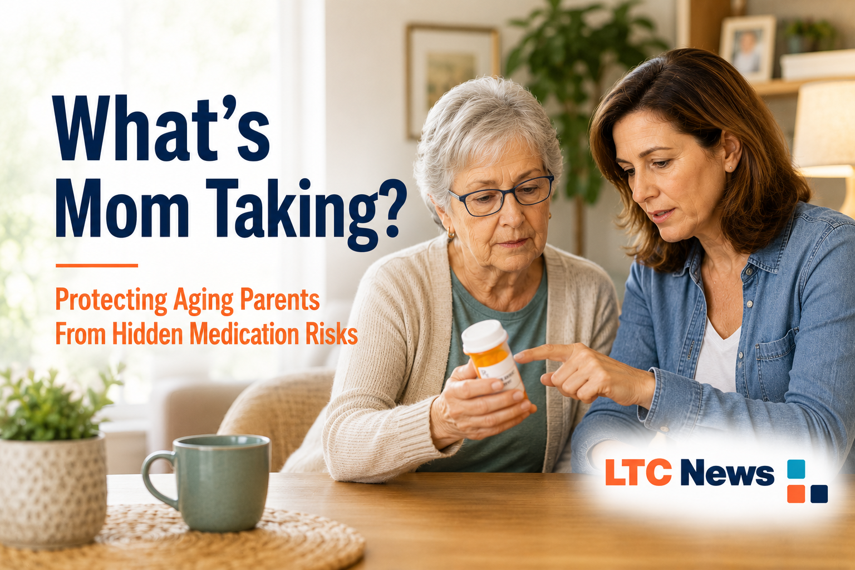
A sleep aid from the pharmacy, a memory supplement ordered online and a prescription medication may seem harmless on their own. Together, they can create serious health risks for older adults, especially those living with mild cognitive impairment or dementia.

Linda Maxwell
Linda Maxwell is a journalist who writes about aging, health, chronic illness, caregiving, and long-term care issues impacting older adults and their families.
Table of Contents
- Why OTC Medicines Deserve More Attention
- Why Older Adults with MCI or Dementia Face Greater Risks
- Sleep Aids Raise Particular Concerns
- Cold Medicines Can Create Unexpected Problems
- Pain Relievers Are Not Risk-Free
- Natural Does Not Always Mean Safe
- Which OTC Medicines Are Generally Considered Safer for Older Adults?
- OTC Products Often Considered Lower Risk
- Herbal Supplements
- A Good Rule of Thumb
- When Supplement Purchases Become a Warning Sign
- Professional Caregivers Often Spot Problems First
- How Assisted Living and Memory Care Communities Help
- Nursing Homes Use Multiple Layers of Oversight
- Be Careful When Buying Online
- Watch Automatic Subscription Programs
- Keep a Medication and Supplement Inventory
- Supervise Purchases When Memory Loss Is Present
- Use One Pharmacy When Possible
- Medication Management Is Part of Long-Term Care Planning
- Medicare Doesn't Cover Ongoing Medication Supervision at Home
- Why Planning Now Matters
Your mother may be taking medication prescribed by her physician, a sleep aid she bought at the drug store, a memory supplement ordered online, and a cold medicine she picked up at the grocery store, all at the same time.
You may know about the prescription medications. The others often go unnoticed. For that matter, how many medications do you take, and do you know what is sitting in your medicine cabinet?
Many older adults routinely purchase over-the-counter (OTC) medicines, herbal supplements, and wellness products without mentioning them to family members or even their healthcare providers. While these products can provide temporary relief from common symptoms, they can also interact with prescription medications, worsen chronic health conditions, and increase the risk of falls, confusion, and hospitalization.
For families helping aging parents remain independent, monitoring OTC medication use has become an increasingly important caregiving responsibility. Plus, the OTC medications that should be in your or your loved one’s medicine cabinet, how much did you pay for them? Or, like many of us, did you just grab 'em at the drug store, big box store, etc.?
Why OTC Medicines Deserve More Attention
Many people assume medications sold without a prescription are automatically safe. The reality is more complicated. According to the National Institute on Aging's 2024 publication, "Medicines: Use Them Safely," older adults are especially vulnerable to medication-related problems because they often take multiple medications and may experience age-related changes that affect how drugs are absorbed, distributed, and eliminated by the body.
The problem of harmful or unnecessary medications is often invisible. Patients, caregivers, and sometimes even healthcare providers may not recognize when a medication is doing more harm than good." — Hedva Barenholtz Levy, PharmD, St. Louis-based geriatric pharmacist, founder/director of HbLPharmaConsulting, quoted in St. Louis Magazine.
An OTC product that caused no issues at age 45 may affect someone very differently at age 75. As people age, changes in kidney, liver, and metabolic function can increase the likelihood of side effects and drug interactions. Common consequences include dizziness, excessive drowsiness, confusion, internal bleeding, kidney injury, and falls.
Those risks become even greater when memory problems enter the picture.
Why Older Adults with MCI or Dementia Face Greater Risks
Medication management is often one of the first daily activities affected by cognitive decline. An older adult living with mild cognitive impairment (MCI) or dementia may forget they already took a medication and take another dose. Others may purchase duplicate products without realizing they contain the same ingredients. Some become vulnerable to advertising for supplements, memory products, and "natural" remedies that make exaggerated claims.
With 63 million Americans providing unpaid care for family members, medication oversight becomes a growing responsibility. The fact is, even for professional caregivers, polypharmacy has become a real concern, and balancing medications, including OTC meds, is a priority.
Adult children are often surprised when they discover:
- Multiple sleep aids stored throughout the home
- Several pain relievers containing similar ingredients
- Expired medications
- Duplicate bottles of the same product
- Automatic supplement subscriptions
- Products purchased through television advertisements
- Unlabeled pill organizers
- Medications hidden in drawers, purses, or cabinets
A seemingly harmless medication mistake can quickly become a medical emergency.
To help you keep track of medicines for someone with Alzheimer’s, fill out the Managing Medications and Supplements worksheet from the NIH.
Sleep Aids Raise Particular Concerns
Many OTC sleep medications contain diphenhydramine, an antihistamine commonly found in nighttime sleep products. The 2023 American Geriatrics Society Beers Criteria for Potentially Inappropriate Medication Use in Older Adults, widely considered the leading reference for medication safety in older adults, advises against the routine use of diphenhydramine due to increased risks of confusion, delirium, drowsiness, and falls.
For someone already experiencing memory loss or cognitive decline, those side effects can be especially dangerous. Family members may notice a loved one becoming more forgetful, less steady while walking or increasingly confused after starting an OTC sleep aid.
Cold Medicines Can Create Unexpected Problems
Many multi-symptom cold remedies contain several active ingredients designed to treat congestion, cough, fever, and other symptoms simultaneously. That convenience can create problems.
Some decongestants may raise blood pressure or affect heart rhythm. Certain antihistamines can increase drowsiness and confusion. Combination products frequently contain ingredients that duplicate medications an older adult is already taking.
For example, an individual taking acetaminophen for arthritis pain may unknowingly exceed recommended dosing limits by also using a cold medicine containing acetaminophen. A quick conversation with a pharmacist before purchasing a cold remedy can help prevent potentially dangerous mistakes.
Pain Relievers Are Not Risk-Free
Many older adults rely on OTC pain medications for arthritis, back pain, and joint discomfort. Common options include acetaminophen, ibuprofen, and naproxen. While these medications can provide relief, they also carry risks that become more significant with age.
Anti-inflammatory medications such as ibuprofen and naproxen may increase bleeding risk, worsen kidney disease, and interfere with certain blood pressure medications. Acetaminophen can cause serious liver damage when excessive doses are taken or when multiple products containing acetaminophen are used at the same time.
As we age, we really depend on [lipids in the body called] prostaglandins to keep the blood flow to our kidneys. And the way [NSAIDs] work is they inhibit those prostaglandins," causing the blood vessels to constrict, which can result in kidney injury." — Amy Thompson, PharmD, clinical professor of pharmacy at the University of Michigan's College of Pharmacy, quoted by the AARP.
Older adults taking blood thinners should be particularly cautious and discuss routine pain medication use with their healthcare provider.
Natural Does Not Always Mean Safe
Many consumers assume herbal products are safer than prescription medications because they are marketed as natural. Research shows otherwise. According to the National Center for Complementary and Integrative Health, herbal supplements can interact with prescription medications and alter how those medications work in the body.
Examples include St. John's wort, which can reduce the effectiveness of numerous prescription medications, and ginkgo biloba, which may increase bleeding risk when combined with blood-thinning medications.
Because supplement use is frequently underreported, physicians may not know a patient is taking products that contribute to symptoms, side effects, or drug interactions.
Which OTC Medicines Are Generally Considered Safer for Older Adults?
Not every over-the-counter medication is dangerous for older adults. Many OTC products can be used safely and effectively when taken as directed and when they do not conflict with prescription medications or existing health conditions.
The key is understanding which products are generally considered lower risk and which deserve extra caution.
Even with safer options, older adults should always read labels carefully and consult a pharmacist or healthcare provider when adding a new medication to their routine.
OTC Products Often Considered Lower Risk
- Acetaminophen for Occasional Pain
Acetaminophen is often recommended as a first-line option for occasional headaches, minor arthritis discomfort, muscle aches, and fever.
When used according to label directions, it generally poses less risk of stomach bleeding than anti-inflammatory medications such as ibuprofen or naproxen.
However, older adults should be careful not to exceed recommended daily limits. Acetaminophen is found in many cold and flu products, making accidental overdosing possible. People with liver disease or heavy alcohol use should consult their physician before using acetaminophen regularly.
- Saline Nasal Sprays for Congestion
For nasal dryness or mild congestion, saline nasal sprays can provide relief without many of the risks associated with medicated decongestants. Because saline products contain salt water rather than active drug ingredients, they generally do not affect blood pressure, heart rate, or cognition.
- Artificial Tears for Dry Eyes
Dry eye symptoms become more common with age. Lubricating eye drops, often called artificial tears, can provide relief from irritation and dryness and are generally safe when used according to package directions.
- Fiber Supplements for Occasional Constipation
Products containing psyllium fiber can help support regular bowel function when combined with adequate fluid intake. Constipation is common among older adults, particularly those taking multiple medications. Fiber supplements may offer a gentler option than stimulant laxatives for some individuals.
- Simple Antacids for Occasional Heartburn
For occasional heartburn, some antacids may provide short-term relief.
However, persistent heartburn should not be self-treated indefinitely. Symptoms that occur frequently should be evaluated by a healthcare provider because they may indicate a more serious underlying condition.
- OTC Medicines Older Adults Should Check Before Taking
Some OTC products deserve extra caution because they are more likely to cause side effects, interact with prescription medications, or worsen existing health conditions.
- Sleep Aids
Many OTC sleep products contain diphenhydramine or similar antihistamines. These medications can increase confusion, drowsiness, urinary retention, and fall risk. They are especially concerning for individuals with dementia, MCI, or balance problems.
- Cold and Flu Medications
Many multi-symptom cold remedies contain multiple active ingredients.
Older adults should carefully review labels because these products may:
- Raise blood pressure
- Cause excessive drowsiness
- Increase confusion
- Duplicate medications already being taken
- Anti-Inflammatory Pain Relievers
Ibuprofen and naproxen can be effective for pain and inflammation, but may increase the risk of stomach bleeding, kidney problems, and medication interactions. Individuals taking blood thinners, medications for hypertension, or those with kidney disease should speak with a healthcare provider before using these products.
Herbal Supplements
Many herbal supplements can interact with prescription medications.
Examples include:
- St. John's wort
- Ginkgo biloba
- Ginseng
- Garlic supplements
- Kava
Because supplement interactions are often overlooked, older adults should discuss any herbal product with a pharmacist or physician before use.
A Good Rule of Thumb
If an OTC product contains multiple active ingredients, promises dramatic health benefits, or is being taken regularly rather than occasionally, it is worth discussing with a pharmacist or healthcare provider.
For older adults taking several prescription medications—or anyone living with mild cognitive impairment or dementia—that extra conversation can help prevent dangerous interactions, reduce side effects, and improve overall medication safety.
When Supplement Purchases Become a Warning Sign
Medication concerns are not always limited to health risks. They can also become financial risks. Families caring for a loved one with MCI or dementia often discover recurring charges for supplements that promise to improve memory, reverse aging, cure arthritis, or eliminate neuropathy.
Some older adults spend hundreds or even thousands of dollars annually on products that offer little evidence of benefit.
Adult children should periodically review:
- Amazon purchases
- Automatic supplement subscriptions
- Credit card statements
- Television-advertised health products
- Mail-order supplement programs
Unusual spending on health products may signal worsening cognitive impairment, financial vulnerability, or both.
Professional Caregivers Often Spot Problems First
Professional caregivers frequently identify medication concerns before family members do. Home care aides, nurses, and care managers observe daily routines and often notice changes that indicate a medication problem.
A caregiver may discover missed doses, duplicate medications, or newly purchased OTC products that family members did not know existed. Increasing confusion, excessive sleepiness, dizziness, or sudden changes in behavior may also indicate a medication-related issue.
Many home care agencies encourage families to maintain a current medication list that includes prescription medications, OTC products, vitamins, and supplements. When concerns arise, professional caregivers often communicate directly with family members, physicians, and pharmacists.
How Assisted Living and Memory Care Communities Help
Medication management is one of the most important safety responsibilities in assisted living and memory care communities. Staff members monitor medication schedules, document administration, watch for side effects, and communicate with healthcare providers when concerns arise.
Memory care communities provide additional safeguards because residents may no longer be able to safely manage medications independently. Many communities also work with consulting pharmacists who regularly review medication regimens and identify potentially inappropriate medications or dangerous drug combinations.
👉Search for quality caregivers and long-term care facilities by using the LTC News Caregiver Directory.
Nursing Homes Use Multiple Layers of Oversight
Federal regulations require nursing homes participating in Medicare and Medicaid to maintain comprehensive medication-management systems. Oversight typically involves physicians, licensed nurses, consultant pharmacists, medication administration records, and ongoing reviews designed to reduce adverse drug events.
Medication reviews often become especially important after falls, hospitalizations, or significant changes in a resident's condition. The goal is to improve safety while maintaining quality of life.
Buying OTC Medicines Safely: What Older Adults and Family Caregivers Should Know
Purchasing OTC medications has never been easier. You can buy them at pharmacies, grocery stores, warehouse clubs, convenience stores, and online retailers with just a few clicks. Convenience can be helpful, but it can also create risks for some people.
Older adults living with memory loss, vision impairment, or multiple chronic health conditions may accidentally purchase duplicate products, select the wrong medication, or fall victim to misleading marketing claims. Family caregivers should take an active role in helping aging loved ones make safe purchasing decisions.
- Choose Trusted Retailers
Whenever possible, purchase OTC medicine from established pharmacies, grocery stores, or reputable online retailers. Avoid products sold through unfamiliar websites that make dramatic health claims or promise miracle cures.
Be especially cautious of products advertised as:
- "Guaranteed" memory boosters
- Dementia cures
- Arthritis cures
- Neuropathy cures
- Anti-aging breakthroughs
- Prescription-strength remedies without a prescription
If a claim sounds too good to be true, it probably is.
- Read Labels Carefully
Before purchasing any OTC medication, review:
- Active ingredients
- Dosage instructions
- Warnings
- Drug interaction information
- Age restrictions
- Expiration dates
Many products sold under different brand names contain the same active ingredients. Purchasing multiple products without checking labels can lead to accidental overdosing.
- Ask the Pharmacist
One of the safest steps an older adult can take is to consult a pharmacist before buying a new OTC product. Even most online sources have a way to ask a pharmacist questions.
Pharmacists can review:
- Prescription medications
- Existing OTC products
- Supplements
- Potential drug interactions
- Appropriate dosing
A brief conversation may prevent a serious medication-related problem.
Be Careful When Buying Online
Online shopping has become increasingly popular among older adults, but it presents additional challenges.
Before purchasing medications online:
- Use well-known retailers and licensed pharmacies.
- Avoid third-party sellers with limited information.
- Review customer complaints and ratings carefully.
- Verify product packaging matches manufacturer information.
- Be cautious of heavily discounted products that seem unusually inexpensive.
- Avoid products with exaggerated medical claims.
Counterfeit health products remain a concern in some online marketplaces. See where the website is located. If you live in the United States, for example, it is best to use a U.S.-based website. The same applies if you live in Canada or the U.K.: use a source in your country for OTC medications.
Watch Automatic Subscription Programs
Many supplement companies offer monthly subscription services that automatically ship products and charge credit cards. For older adults experiencing cognitive decline, these subscriptions can continue for months or years without anyone noticing.
Adult children should periodically review:
- Credit card statements
- Amazon subscriptions
- Pharmacy auto-refill programs
- Direct mail supplement programs
Unexpected recurring purchases may indicate confusion, financial exploitation, or worsening cognitive impairment.
Keep a Medication and Supplement Inventory
A simple inventory can prevent duplicate purchases. Consider maintaining a list that includes:
- Prescription medications
- OTC medications
- Vitamins
- Herbal supplements
- Recently purchased health products
Review the list before buying anything new. Many families discover they already have multiple bottles of the same medication stored throughout the home.
Supervise Purchases When Memory Loss Is Present
For older adults with mild cognitive impairment or dementia, independent medication purchasing may eventually become unsafe.
Adult children may need to:
- Accompany parents to the pharmacy.
- Review online shopping carts before purchases are completed.
- Monitor recurring subscriptions.
- Remove expired medications.
- Consolidate medications into one secure location.
- Restrict access to online supplement advertisements and solicitations.
Many families find that medication purchasing becomes one of the first activities requiring oversight as cognitive decline progresses.
Use One Pharmacy When Possible
Using a single pharmacy allows pharmacists to maintain a more complete medication profile. When prescription medications, OTC purchases, and immunizations are tracked in one system, pharmacists may be more likely to identify potential drug interactions and medication concerns.
Medication Management Is Part of Long-Term Care Planning
Families often think about long-term care in terms of assistance with bathing, dressing, mobility, or memory loss. Medication management deserves equal attention.
One reason many families purchase Long-Term Care Insurance during their 50s and 60s is to ensure professional help is available later when daily responsibilities become more difficult. Medication oversight, appointment coordination, cognitive supervision, and safety monitoring frequently become necessary before a loved one requires extensive physical assistance.
Qualified Long-Term Care Insurance policies generally pay benefits when a policyholder requires assistance with two of six activities of daily living or experiences a qualifying cognitive impairment.
Professional caregivers funded by Long-Term Care Insurance can help monitor medication use, identify potential concerns, and coordinate care with family members and healthcare providers.
Be sure to check if your older parent has Long-Term Care Insurance. Often, people find their loved one bought a policy in their 50s or 60s and never told anyone. If you find they have an LTC policy and need help with medications and other living activities, be sure to seek benefits from the policy.
Need help filing the LTC Insurance claim? LTC News partners with Amada Senior Care to offer free claim support with no cost or obligation. Their trained specialists can guide you through the process step by step, helping you access benefits quickly and correctly — File a Long-Term Care Insurance Claim.
If your loved one doesn't have an LTC policy but does have a life insurance policy, there's another option worth exploring. A life settlement lets you sell that policy for cash now, money that can go directly toward the cost of extended care, including medication management.
Medicare Doesn't Cover Ongoing Medication Supervision at Home
Many families are surprised to learn that Medicare and traditional health insurance generally do not cover ongoing custodial supervision of medications at home. Medication management, however, is a priority for maintaining overall good health.
Medicare may cover physician services, hospital care, prescription medications, and limited short-term skilled services when eligibility requirements are met. However, ongoing supervision, medication reminders, and routine assistance at home typically fall on family caregivers unless private-pay services or Long-Term Care Insurance benefits are available.
That reality helps explain why so many adult children find themselves overseeing medication management for aging parents.
Why Planning Now Matters
According to the U.S. Department of Health and Human Services, Office of the Assistant Secretary for Planning and Evaluation, 56 percent of Americans turning age 65 today will require long-term services and supports that meet the federal definition of long-term care during their lifetime.
Medication management is often one of the earliest signs that additional help may be needed. A missed dose, a duplicate supplement purchase, or a dangerous interaction between an OTC product and a prescription medication may seem minor. Yet those situations can lead to falls, hospitalizations, financial losses, and declining independence.
Checking an aging parent's medicine cabinet may not seem as important as a doctor's appointment or a financial planning discussion. In many families, however, it becomes one of the most important caregiving tasks of all.
Sources
National Institute on Aging. "Medicines: Use Them Safely." Updated 2024.
American Geriatrics Society. "2023 AGS Beers Criteria for Potentially Inappropriate Medication Use in Older Adults." Published 2023.
National Center for Complementary and Integrative Health. Information on herbal supplements and drug interactions. Accessed 2026.
U.S. Department of Health and Human Services, Office of the Assistant Secretary for Planning and Evaluation. Long-Term Services and Supports Research Brief. 2022.
AARP and National Alliance for Caregiving. Caregiving in the United States 2025.
Frequently Asked Questions
Can Long-Term Care Insurance help with medication management?
Yes. Qualified Long-Term Care Insurance policies pay benefits when a policyholder requires assistance with two of six activities of daily living or experiences cognitive impairment. Benefits can help pay for professional caregivers, assisted living, memory care, and other services that support medication oversight and daily safety.
Are over-the-counter medicines safe for older adults?
Many OTC medicines can be used safely when taken as directed. However, older adults are more likely to take multiple medications and may have chronic health conditions that increase the risk of side effects, drug interactions, and medication-related complications. Always read labels and consult a pharmacist or healthcare provider before adding a new OTC product.
Does Medicare cover medication supervision at home?
Generally, no. Medicare may cover physician services, prescription medications, and limited short-term skilled care, but it does not typically pay for ongoing custodial supervision of medications in the home. Families often provide this support unless private-pay services or Long-Term Care Insurance benefits are available.
Are online pharmacies and websites safe for buying OTC medications?
Many are safe, but consumers should use reputable pharmacies and established retailers. Avoid unfamiliar websites making extraordinary health claims or offering deeply discounted products that may be counterfeit.
Should family members monitor online supplement purchases?
Yes. Older adults with memory loss may sign up for recurring subscriptions or purchase expensive products marketed as memory enhancers, anti-aging remedies, or miracle cures. Reviewing credit card statements and online subscriptions periodically can help prevent unnecessary spending and potential scams.
Why are sleep aids a concern for people with dementia?
Many OTC sleep aids contain ingredients that can increase confusion, drowsiness, and fall risk. For individuals living with dementia or mild cognitive impairment, these medications may worsen memory problems and increase the likelihood of injury.
How can adult children help aging parents avoid medication mistakes?
Family caregivers can:
- Review medicine cabinets regularly
- Check for expired medications
- Monitor supplement purchases
- Watch for duplicate products
- Review online subscriptions
- Maintain a current medication list
- Use one pharmacy whenever possible
Medication oversight often becomes increasingly important as parents age.
Can herbal supplements interact with prescription medications?
Yes. Products such as St. John's wort, ginkgo biloba, ginseng and garlic supplements can interact with prescription medications. Some may reduce the effectiveness of medications, while others can increase bleeding risk or affect blood pressure.
How do professional caregivers help with medication safety?
Professional caregivers often observe medication routines and may identify missed doses, duplicate medications, side effects, or newly purchased OTC products. Many communicate concerns to family members and healthcare providers before small problems become serious ones.
Why are OTC medicines more risky for seniors?
As people age, changes in kidney function, liver function, and metabolism affect how medications are processed. A medication that was well tolerated years ago may cause dizziness, confusion, falls, or other side effects later in life.
How do assisted living and memory care communities manage medications?
These communities typically maintain medication administration systems, monitor side effects, document medication use, and coordinate with healthcare providers. Memory care communities provide additional safeguards for residents who can no longer safely manage medications independently.
Which OTC medications are most concerning for older adults?
Common products that deserve extra caution include:
- Sleep aids containing diphenhydramine
- Multi-symptom cold and flu medicines
- Anti-inflammatory pain relievers such as ibuprofen and naproxen
- Herbal supplements that can interact with prescription medications
Older adults should review these products with a pharmacist or healthcare provider before use.
What OTC medications are generally considered safer for older adults?
Products often considered lower risk when used appropriately include:
- Acetaminophen for occasional pain
- Saline nasal sprays
- Artificial tears for dry eyes
- Fiber supplements such as psyllium
- Simple antacids for occasional heartburn
Even these products should be used according to label directions and discussed with a healthcare provider when appropriate.
What signs suggest an older adult may be struggling with medication management?
Warning signs include:
- Missed doses
- Duplicate medications
- Unexplained confusion
- Frequent falls
- Excessive drowsiness
- Multiple bottles of the same product
- Recurring supplement purchases
- Difficulty organizing medications
These may indicate the need for additional supervision or caregiving support.

Sponsored