Sleep After 50: How Poor Rest Raises Health and Long-Term Care Risks Over Time
About This Article
Sleep problems after 50 can increase the risk of illness as you age, including a higher risk for memory loss and the need for long-term care. Discover how better rest protects your health and independence.

Linda Maxwell
Linda Maxwell is a journalist who writes about aging, health, chronic illness, caregiving, and long-term care issues impacting older adults and their families.
Table of Contents
- Why Sleep Matters More as You Age
- Your Sleep Environment Shapes Your Health
- Consistency Is More Powerful Than You Think
- Screens, Stress, and the Modern Sleep Problem
- Diet, Caffeine, and Alcohol: Hidden Sleep Disruptors
- Exercise Helps—but Timing Matters
- Natural Sleep Aids: Use Caution
- When Naps Help—and When They Hurt
- When Sleep Problems Signal Something More Serious
- Overlooked Link: Sleep and Long-Term Care Risk
- Planning Protects Your Independence
- Take Control Tonight—and Plan for Tomorrow
You tell yourself it’s just the stress of the week or a subpar mattress. But then the exception becomes the rule. For those over 50, a string of restless nights is more than a morning fog; it is a silent erosion of the very health that keeps you independent. Quality sleep isn’t a reward for a long day; it is the fundamental insurance policy that determines how long you stay active, sharp, and in control of your own home.
At first, you might blame this on stress or a bad night’s sleep. Then it becomes routine. However, poor sleep isn’t just frustrating, as it can quietly accelerate health problems that threaten your independence.
Sleep is not a luxury. It’s one of the most important drivers of how long you stay healthy, active, and out of long-term care.
Why Sleep Matters More as You Age
As you get older, your sleep patterns change. You may wake more often or feel less rested. But poor sleep is not something you should ignore.
Sleep plays a vital role in good health and well-being throughout your life. Getting enough quality sleep at the right times can help protect your mental health, physical health, and quality of life. — National Institute on Aging.
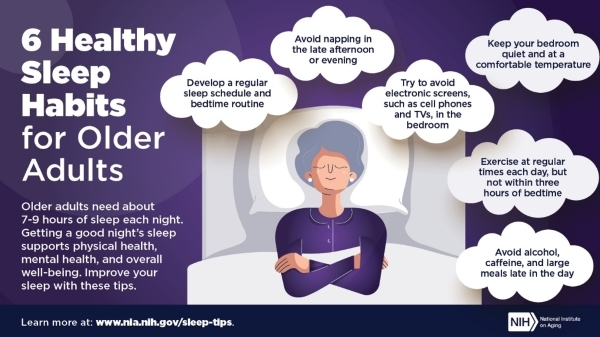
The Centers for Disease Control and Prevention (CDC) reports that insufficient sleep is associated with higher risks of chronic conditions, including heart disease, diabetes, depression, and increased risk of injury from falls.
Research published through the National Institutes of Health indicates that sleep disturbances in older adults are associated with increased risk of cognitive decline and dementia.
Sleep is essential to every process in the body, affecting our physical and mental functioning the next day, our ability to fight disease, and our development and aging. - According to Harvard Medical School.
Why it matters: These are the same health issues that often necessitate long-term care.
Your Sleep Environment Shapes Your Health
Where you sleep matters more than most people realize; your environment directly influences how quickly you fall asleep, how often you wake during the night, and how deeply you rest.
As you age, your body becomes more sensitive to disruptions like light, noise, and temperature. Even minor disturbances can prevent you from reaching deeper stages of sleep, which are essential for physical recovery and brain health.
Creating a sleep-friendly environment is one of the simplest and most effective ways to improve sleep quality without medication.
Focus on making your bedroom a place that supports rest:
- Use a supportive mattress and pillow that reduce pressure points and support spinal alignment.
- Install blackout curtains to block outside light that can interrupt your sleep cycle
- Keep the room cool, ideally between 60–67°F
- Reduce noise disruptions with white noise or sound control
Why it matters: Improving your sleep environment helps your body stay in restorative sleep longer, supporting memory, immune function, and physical recovery.
Consistency Is More Powerful Than You Think
Your body relies on a predictable rhythm to function properly. This internal clock—your circadian rhythm—controls when you feel alert and when you feel tired. When your sleep schedule is inconsistent, your body struggles to regulate hormones like melatonin and cortisol. Over time, this disruption can lead to poor sleep quality, fatigue, and increased health risks.
As you age, your circadian rhythm becomes less flexible, making consistency even more important.
To support a stable sleep cycle:
- Go to bed and wake up at the same time every day
- Avoid large variations in your schedule
- Build a consistent pre-sleep routine
Why it matters: Consistency improves sleep efficiency, helping you fall asleep faster and stay asleep longer.
Screens, Stress, and the Modern Sleep Problem
Modern life makes it harder than ever to disconnect—and that’s affecting your sleep. Electronic devices emit blue light, which interferes with melatonin production and delays sleep. At the same time, stress keeps your brain in an alert state, preventing deep rest.
Addressing both is essential. To reduce disruptions:
- Stop using screens at least one hour before bed
- Replace screen time with calming activities like reading or journaling
- Develop a consistent wind-down routine
Why it matters: Reducing stimulation allows your brain to transition naturally into sleep.
Diet, Caffeine, and Alcohol: Hidden Sleep Disruptors
What you consume during the day has a direct impact on your sleep. As your metabolism changes with age, your body becomes more sensitive to stimulants and to disruptions in digestion.
Common issues include heavy evening meals, late-day caffeine, and alcohol use before bed, all of which can interfere with sleep cycles.
To improve sleep:
- Avoid heavy meals late at night
- Limit caffeine in the afternoon and evening
- Reduce alcohol consumption before bed
- Choose light, nutrient-dense snacks if needed
Why it matters: Supporting your body’s natural rhythms through diet promotes uninterrupted sleep.
Exercise Helps—but Timing Matters
Regular physical activity supports better sleep and overall health. Exercise helps your body fall asleep faster, stay asleep longer, and reach deeper sleep stages. It also reduces stress, which is a major contributor to sleep problems.
However, timing matters. To maximize benefits:
- Stay active most days of the week
- Exercise earlier in the day when possible
- Avoid intense workouts close to bedtime
Why it matters: Physical activity strengthens both your sleep quality and long-term health.
Natural Sleep Aids: Use Caution
Some people explore supplements or natural remedies to improve sleep. Options like melatonin, magnesium, and herbal products are widely used, but effectiveness varies, and interactions with medications are possible.
CBD gummies with calming qualities for sleep support can improve sleep in some people. Cannabidiol (CBD), a non-intoxicating compound derived from cannabis, has also gained attention in clinical settings. Some physicians are cautiously evaluating CBD for its potential role in reducing anxiety and improving sleep quality, particularly in patients with insomnia or chronic pain.
A review published by the National Institutes of Health suggests CBD may have therapeutic potential for sleep disorders, but evidence remains limited and inconsistent. Experts emphasize that CBD is not FDA-approved for sleep treatment, and product quality and long-term safety remain under study.
If you are considering supplements:
- Speak with your healthcare provider first
- Review potential medication interactions
- Use third-party tested products
Why it matters: After age 50, your body processes substances differently. A cautious, medically guided approach protects your health.
When Naps Help—and When They Hurt
Naps can be helpful, but timing and duration matter. Short naps can boost energy and alertness. However, long or late naps can disrupt your ability to fall asleep at night.
To use naps effectively:
- Limit naps to 20–30 minutes
- Take them earlier in the day
- Avoid late afternoon naps
Why it matters: Managing naps helps maintain a consistent sleep-wake cycle.
When Sleep Problems Signal Something More Serious
Sometimes poor sleep is not just a habit issue—it’s a medical concern. Conditions like sleep apnea, insomnia, and restless leg syndrome are common in older adults and often go undiagnosed.
About 70 million Americans suffer from sleep problems such as sleep apnea, insomnia and restless leg syndrome. But physicians often miss circadian rhythm sleep-wake disorders. — Dr. Phyllis C. Zee, chief of sleep medicine at Northwestern University Feinberg School of Medicine.
If sleep problems persist, a medical evaluation is important.
Overlooked Link: Sleep and Long-Term Care Risk
Sleep is directly tied to your ability to remain independent.
Poor sleep contributes to:
- Slower reaction times
- Impaired balance
- Increased fall risk
- Cognitive decline
Sleep and Aging: A Risk Pathway
- Poor sleep → fatigue and slower reaction time
- Fatigue → increased fall risk
- Falls → injury or hospitalization
- Injury → loss of independence → need for long-term care
Why it matters: This progression is common—and often preventable.
According to the U.S. Department of Health and Human Services, over half of Americans who reach the age of 65 will need help with daily living activities or supervision due to dementia. Most families are unprepared. Many only recognize the gap when a health crisis occurs—when options are limited, and decisions must be made quickly.
Medicare and traditional health insurance only cover short-term skilled care, typically up to 100 days after a qualifying hospital stay. They do not cover ongoing custodial long-term care.
Planning Protects Your Independence
Improving sleep helps protect your health; however, proactive planning protects your future. Having a plan in place for the consequences of aging, along with being proactive with your health, will help you maintain control as you age, before you need care, giving you more control over where and how you receive support.
Long-Term Care Insurance is an option that is growing in popularity as a way to address the costs and burdens associated with aging and chronic health.
An LTC policy can:
- Provide care at home or in a facility
- Protect retirement income and savings
- Reduce the burden on family
- Offer access to higher-quality care
The cost of care is a significant concern. These costs increase over time but vary depending on where you live. You can explore care costs using the LTC News Cost of Long-Term Care Services Calculator.
Review the content in the LTC News Long-Term Care Insurance Learning Center for detailed articles on many topics. Plus, LTC News has many resources on aging, caregiving, and health, including the LTC News Caregiver Directory, which you can use to search for caregivers or facilities for an older loved one when they need extended care.
Take Control Tonight—and Plan for Tomorrow
Better sleep starts with small changes you control. But protecting your independence takes planning. Planning before retirement helps safeguard your income, protect your assets, and ensure access to quality care—without placing the burden on your family.
Frequently Asked Questions
How much sleep do older adults need?
Most adults need 7–9 hours, though sleep quality is just as important as duration.
How does Long-Term Care Insurance help?
It provides tax-free benefits for care at home or in a facility, helping protect assets and reduce family burden.
Why is sleep important after age 50?
Sleep supports brain health, heart function, and physical recovery. Poor sleep increases the risk of chronic illness and loss of independence.
What are common sleep disorders in older adults?
Sleep apnea, insomnia, and restless leg syndrome are common and often underdiagnosed.
Can poor sleep lead to long-term care needs?
Yes. It contributes to falls, cognitive decline, and chronic illness—key drivers of extended care needs.
Does Medicare cover long-term care?
No. Medicare covers short-term skilled care only, not ongoing custodial long-term care.

Sponsored