Protecting Seniors with Food Allergies in Long-Term Care Settings
About This Article
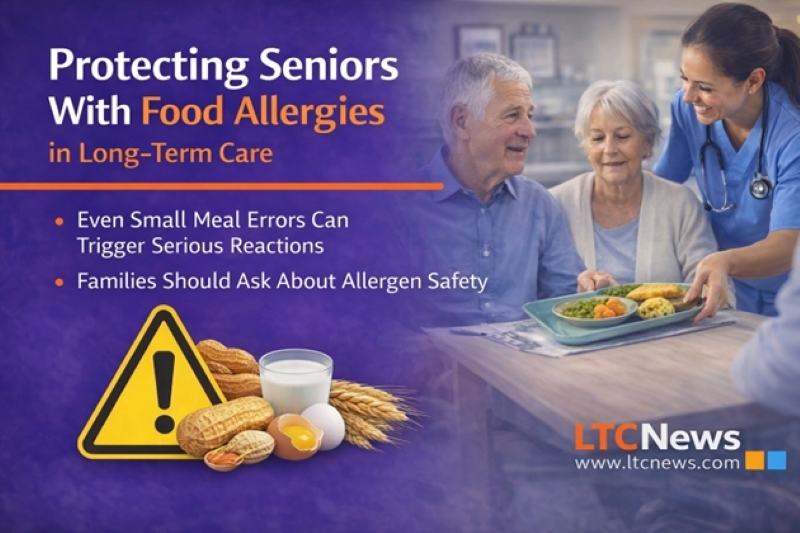
Food allergies are not just a childhood concern. In assisted living and nursing homes, even small mistakes in food preparation can trigger dangerous reactions for older adults. For families choosing long-term care, understanding how facilities manage food allergies can be just as important as evaluating medical care or staffing.

Marcus Howard
Marcus Howard writes about alternative health topics for older adults such as CBD, acupuncture, and herbal medicine.
Table of Contents
- Food Allergies in Older Adults: A Serious Health Risk
- Growing Demand for Safe Long-Term Care
- Why Long-Term Care Facilities Present Unique Risks
- Why Allergy Management Should Be Part of Care Planning
- Questions Families Should Ask
- When Safety Breakdowns Occur
- When Safety Breakdowns Occur
- Food Safety Is Part of Overall Long-Term Care Risk Management
- 10 Quick Facts About Food Allergies and Long-Term Care Safety
- Building a Culture of Safety
- Understanding Regulation and Oversight
- Planning With Eyes Wide Open
You may spend weeks researching long-term care options for a parent or spouse. After narrowing down options with the LTC News Caregiver Directory, you start comparing staffing levels, medical services, safety features, and costs. You might even sample the food in the dining room.
But one risk many families overlook sits quietly on the plate.
For older adults with food allergies, a single ingredient mistake can lead to a severe or even life-threatening reaction. In long-term care settings, where residents rely entirely on staff for meal preparation and dietary oversight, allergen safety becomes a critical part of medical care.
When evaluating a care community, understanding how food allergies are managed is just as important as reviewing medication protocols or fall-prevention programs.
Food Allergies in Older Adults: A Serious Health Risk
Food allergies are commonly associated with children, yet millions of adults live with them as well. Severe reactions can occur at any age.
According to the Centers for Disease Control and Prevention, food allergies can trigger anaphylaxis, a life-threatening immune reaction that requires immediate medical treatment.
Older adults may be at higher risk of severe outcomes from anaphylaxis and may not receive timely treatment, making early recognition and rapid use of epinephrine critical. — Dr. Ronna Campbell, allergist and researcher, and Emergency Medicine physician at Mayo Clinic, discussing findings published in The Journal of Allergy and Clinical Immunology: In Practice.
Older adults may be particularly vulnerable because:
- Aging immune systems can respond differently to allergens
- Multiple medications may mask early symptoms
- Cognitive decline can prevent residents from recognizing or reporting reactions
- Chronic conditions, such as heart or respiratory disease, can worsen outcomes
Food allergies don’t disappear with age. In fact, older adults may be more vulnerable because they often have other health conditions that make allergic reactions more dangerous. — Dr. Ruchi Gupta, professor of pediatrics and medicine at Northwestern University Feinberg School of Medicine and a leading food-allergy researcher.
In assisted living communities, nursing homes, and memory care facilities, residents rely entirely on staff to monitor and enforce dietary restrictions. Even small errors can create serious health consequences.
Growing Demand for Safe Long-Term Care
The need for safe long-term care environments continues to grow across the United States. There is a growing need for long-term care, and many adult children become unpaid caregivers due to a lack of planning or financial resources. As extended care needs intensify, families often turn to assisted living or nursing homes when medical conditions, dietary restrictions, or cognitive impairment become too complex to manage safely at home.
For seniors living with food allergies, this transition requires careful evaluation of how facilities manage dietary safety.
Why Long-Term Care Facilities Present Unique Risks
Unlike home kitchens, long-term care facilities often prepare meals for large numbers of residents at once. Shared equipment, rotating staff, and complex menus increase the risk of cross-contact between allergen-containing foods and allergen-free meals.
Common allergens frequently used in institutional kitchens include:
- Peanuts
- Tree nuts
- Milk
- Eggs
- Soy
- Wheat
- Fish
- Shellfish
- Sesame
Without careful safeguards, even trace exposure can trigger reactions in highly sensitive individuals.
Potential breakdowns can include:
- Miscommunication during shift changes
- Incomplete or outdated dietary records
- Ingredient substitutions without updated documentation
- Improper cleaning of shared utensils or preparation surfaces
For residents with severe allergies, even microscopic exposure may cause symptoms.
Why Allergy Management Should Be Part of Care Planning
Families often develop detailed care plans for medications, mobility support, and cognitive health. Food allergies deserve the same level of attention.
Start finding quality long-term care facilities by using the LTC News Caregiver Directory, which has the largest database of caregivers and facilities in the country. Once you narrow down options, ask specific questions about allergy protocols.
Questions Families Should Ask
- How are food allergies documented in the resident care system?
- Are allergy alerts visible to both medical staff and kitchen teams?
- Are allergen-free meals prepared separately?
- What staff training exists for recognizing allergic reactions?
- Is epinephrine available and staff trained to administer it?
These questions are not confrontational. They are essential safety checks.
Facilities that prioritize resident safety typically implement strong communication systems between nursing teams and kitchen staff to prevent errors before they occur.
When Safety Breakdowns Occur
Despite safeguards, allergic reactions still occur in institutional settings. Some incidents stem from human error. Others may result from systemic issues such as inadequate staff training or poor documentation of dietary restrictions.
When a preventable allergic reaction results in hospitalization or serious harm, families may consult a legal professional to determine whether facility policies were followed and whether the required standards of care were met.
Legal review can help determine:
- Whether dietary restrictions were documented correctly
- Whether staff followed established safety protocols
- Whether negligence contributed to the reaction
Accountability can also strengthen industry practices and encourage better safety standards.
When Safety Breakdowns Occur
Despite safeguards, allergic reactions still occur in institutional settings. In some cases, the issue may stem from systemic negligence rather than isolated oversight.
When a preventable allergic reaction leads to hospitalization or serious harm, families may explore legal options. Consulting a Food Allergy Lawyer can help determine whether facility policies were followed and whether standards of care were breached.
Negligence law generally requires institutions to take reasonable steps to prevent foreseeable harm. When a facility knows about a resident’s serious allergy, failing to implement proper safeguards can create legal liability. — Nicolas P. Terry, JD, Professor of Law and Executive Director of the Hall Center for Law and Health, Indiana University Robert H. McKinney School of Law.
Legal advocacy serves two purposes. First, it offers families clarity and potential recourse. Second, it reinforces accountability within long-term care systems. When facilities understand that inadequate allergen management carries consequences, stronger compliance often follows.
Importantly, litigation is not the default solution.
Many facilities respond responsibly when errors are identified. However, awareness of legal protections empowers families to make informed decisions.
Food Safety Is Part of Overall Long-Term Care Risk Management
Long-term care planning often focuses on financial preparation and protecting retirement assets.
Health insurance and Medicare generally do not cover long-term care beyond limited skilled services, typically up to 100 days following a qualifying hospital stay. Ongoing assistance with daily activities, supervision due to dementia, or specialized dietary needs is usually paid privately unless families plan ahead.
Many families use Long-Term Care Insurance to help cover the cost of assisted living, home care, or nursing services while protecting savings and retirement income. However, usually you acquire an LTC policy before you retire.
Allergen management should also be considered part of the broader safety framework that includes:
- Fall prevention
- Medication accuracy
- Infection control
- Emergency preparedness
A well-managed facility treats dietary restrictions as critical medical information, not personal preferences.
10 Quick Facts About Food Allergies and Long-Term Care Safety
- Food allergies can occur at any age, including late adulthood.
- Even trace amounts of allergens can trigger severe reactions.
- Older adults may face higher risks due to chronic health conditions.
- Memory loss can prevent some residents from recognizing allergens.
- Large institutional kitchens increase the risk of cross-contact.
- Staff training is essential to recognize early allergy symptoms.
- Epinephrine is the primary emergency treatment for anaphylaxis.
- Dietary restrictions should be part of every resident’s care plan.
- Families should ask detailed safety questions before selecting a facility.
- Strong allergen management policies are part of overall resident safety.
Building a Culture of Safety
Facilities that successfully manage food allergies typically emphasize strong leadership and staff education.
Effective programs often include:
- Ongoing training on allergy recognition and response
- Clear communication between nursing and kitchen staff
- Digital alerts for dietary restrictions
- Routine audits of food preparation procedures
Families also play an important role. Providing complete medical records, documenting allergies clearly, and maintaining open communication with staff can reduce misunderstandings.
This is especially important for residents with dementia or memory impairment who may forget or misunderstand dietary restrictions.
Understanding Regulation and Oversight
Food safety rules in the United States are overseen by the U.S. Food and Drug Administration (FDA), which requires labeling of major allergens in packaged foods.
Long-term care facilities must also comply with safety regulations if they receive Medicare or Medicaid funding, as set by the Centers for Medicare & Medicaid Services. These regulations require facilities to protect residents and maintain safe care environments. However, inspections cannot prevent every mistake. Families who understand how allergen safety works can provide an additional layer of protection.
Planning With Eyes Wide Open
Families researching care options can compare local providers and estimated care costs using the LTC News Cost of Care Calculator, which surveys care providers monthly across the United States.
Choosing long-term care is one of the most important decisions you will make for a loved one. Financial planning matters. Medical care matters. But dietary safety matters too.
For seniors living with food allergies, even a small mistake during meal preparation can trigger a dangerous reaction. When you evaluate a care facility, ask detailed questions about allergen management, staff training, and kitchen safety protocols. A well-prepared facility treats food allergies as medical conditions that require constant attention.
Taking the time to investigate these safeguards today can help protect your loved one tomorrow because aging with dignity should include safety at every meal.
Frequently Asked Questions
What is the most dangerous allergic reaction for older adults?
The most serious reaction is anaphylaxis, a rapid immune response that can cause breathing problems, swelling, low blood pressure, and shock. Anaphylaxis requires immediate medical treatment, usually with epinephrine. Without fast intervention, it can be life-threatening.
What foods most often trigger allergic reactions in long-term care settings?
The most common food allergens include:
- Peanuts
- Tree nuts
- Milk
- Eggs
- Wheat
- Soy
- Fish
- Shellfish
- Sesame
These ingredients frequently appear in institutional kitchens, which increases the risk of cross-contact if proper safeguards are not followed.
What should families do if a loved one experiences an allergic reaction in a care facility?
If a serious reaction occurs, seek immediate medical care and ensure the incident is documented. Families may request the facility’s incident report and review the resident’s dietary records and care plan. In cases where preventable mistakes caused harm, families sometimes consult a legal professional to determine whether safety standards were followed.
Are nursing homes required to track food allergies?
Yes. Long-term care facilities must maintain medical records and care plans for residents. Documented food allergies should be clearly noted in dietary records and communicated to both nursing and kitchen staff. Facilities receiving Medicare or Medicaid funding must follow safety regulations designed to protect residents from preventable harm.
How can families make sure a care facility manages food allergies safely?
Families should ask detailed questions before choosing a facility, including:
- How food allergies are documented in the resident care plan
- Whether allergy alerts appear in both nursing and kitchen systems
- If allergen-free meals are prepared in separate areas
- What training staff receive on recognizing allergic reactions
- Whether epinephrine is available and staff are trained to use it
- Facilities with strong safety cultures typically provide clear answers and written protocols.
Can seniors develop food allergies later in life?
Yes. Food allergies are not limited to childhood. Some people develop new allergies in adulthood, while others carry allergies into older age. Because aging bodies often have other health conditions or take multiple medications, allergic reactions in seniors can sometimes be more severe or harder to recognize.

Sponsored