Peptides, Aging, and Chronic Health: What You Need to Know Before Following the Trend
About This Article
Peptides are drawing attention for weight loss, metabolism, and healthy aging. While some FDA-approved peptide drugs help treat obesity and diabetes, many experimental peptides promoted online lack long-term safety data, creating risks for older adults managing chronic health conditions.

Marcus Howard
Marcus Howard writes about alternative health topics for older adults such as CBD, acupuncture, and herbal medicine.
Table of Contents
- What Are Peptides?
- Why Peptides Are Suddenly in the News
- Rise of GLP-1 Drugs Changed the Conversation
- Experimental Peptides Raise Growing Concerns
- Biggest Risks Older Adults Should Understand
- What Legitimate Experts Say About Healthy Aging
- Could Better Metabolic Health Reduce Long-Term Care Risk?
- What You Should Do Before Considering Peptide Therapy
- Planning for a Longer Life Requires More Than Following Trends
You hear about peptides everywhere now. Public officials discuss them. Celebrities mention them on podcasts. Wellness influencers promote them as tools for recovery, weight loss, and longevity. Clinics market peptide programs promising improved metabolism, energy, and healthy aging.
Even U.S. Health and Human Services Secretary Robert F. Kennedy Jr. has publicly discussed peptide therapies and federal restrictions involving compounded peptide products, helping push the topic into mainstream conversation.
Kennedy has described himself as a "big fan" of peptides and said the FDA under the Biden administration "illegally" reclassified 19 peptides as potentially unsafe. At a House Ways and Means Committee hearing, Kennedy said, "Peptides were not supposed to be regulated," arguing the Biden administration improperly restricted their use.
For adults over 40, the interest makes sense. As you age, maintaining muscle mass, mobility, metabolism, and energy becomes harder. Weight gain, inflammation, fatigue, slower recovery, insulin resistance, joint pain, and chronic disease can gradually affect quality of life and independence.
The promise of therapies that may improve metabolic health or help preserve physical function is appealing.
But the science is complicated. Regulation continues evolving. And marketing often moves much faster than medical evidence. Some peptides are legitimate FDA-approved medications supported by extensive clinical research. Others remain investigational compounds promoted online with limited human safety data.
That distinction matters, especially for older adults managing chronic health conditions or planning for future long-term care needs.
What Are Peptides?
Peptides are short chains of amino acids, the building blocks of proteins. Your body naturally produces peptides that help regulate many critical functions, including:
- Hormone signaling
- Appetite control
- Blood sugar regulation
- Sleep
- Tissue repair
- Immune response
- Muscle growth
- Metabolism
Some peptides are already widely used in medicine. Insulin, for example, is a peptide hormone. Modern glucagon-like peptide-1 (GLP-1) medications used for the treatment of diabetes and obesity are also peptide-based therapies.
Interest in peptides exploded after the success of GLP-1 drugs such as Ozempic, Wegovy, and Mounjaro. Researchers are now studying newer peptide compounds involving obesity, muscle preservation, inflammation, tissue repair, and metabolic health.
Why Peptides Are Suddenly in the News
Peptides became a major national health story in 2026 amid growing debate over compounded peptide products and federal oversight involving experimental compounds. The discussion intensified after Kennedy publicly criticized restrictions involving certain compounded peptide products and discussed peptide therapies during interviews and public appearances.
At the same time, wellness clinics, telehealth companies, and longevity centers rapidly expanded marketing involving peptide therapies for:
- Weight management
- Recovery
- Skin health
- Sleep
- Muscle preservation
- Metabolic health
- Cognitive performance
- Healthy aging
The growing interest reflects a broader concern among Americans about “healthspan,” the years you remain healthy, active, and independent as you age. That concern is especially important because obesity, diabetes, frailty, and chronic disease remain major drivers of long-term care needs later in life.
Rise of GLP-1 Drugs Changed the Conversation
Much of today’s peptide enthusiasm stems from the success of GLP-1 medications. These drugs mimic hormones involved in appetite and blood sugar regulation. Studies have shown significant benefits involving obesity and Type 2 diabetes management. Researchers are also studying possible effects involving cardiovascular disease, inflammation, and fatty liver disease.
Experts say that obesity is one of the most important drivers of chronic disease and functional decline as people age. Treating obesity effectively can improve both quality of life and long-term health outcomes.
For many older adults, obesity contributes to:
- Arthritis
- Mobility decline
- Sleep apnea
- Heart disease
- Stroke risk
- Diabetes complications
- Frailty
Those conditions can increase the likelihood of needing long-term care later in life. Physicians increasingly recognize that improving metabolic health during midlife may help preserve mobility and independence as people age.
Still, experts warn consumers not to confuse FDA-approved GLP-1 medications with experimental peptides heavily promoted online. The difference is significant medically and legally.
Experimental Peptides Raise Growing Concerns
Not all peptides have strong clinical evidence supporting them. Some compounds promoted online remain investigational or lack large-scale, long-term human studies. Others are sold through “research use only” marketing loopholes outside traditional pharmaceutical oversight.
One of the most discussed investigational compounds is Retatrutide, a triple-agonist obesity drug currently undergoing clinical trials involving metabolic disease and weight management.
Retatrutide is an investigational “triple-agonist” peptide being studied for the treatment of obesity and metabolic disease. Unlike earlier peptide therapies that target one or two hormonal pathways, Retatrutide activates three receptors — glucagon-like peptide-1 (GLP-1), glucose-dependent insulinotropic polypeptide (GIP), and glucagon — to influence appetite, blood sugar regulation, and energy expenditure. Researchers seek to buy retatrutide peptide for laboratory studies on metabolic repair.
Researchers are studying whether this multi-receptor approach may improve weight management and metabolic health by reducing appetite, slowing gastric emptying, and increasing fat metabolism. Early clinical research has generated attention for significant weight-loss results. However, Retatrutide remains investigational and has not received FDA approval as of May 2026.
According to research presented by Eli Lilly at the American Diabetes Association Scientific Sessions and published in the New England Journal of Medicine in 2023, some participants experienced substantial weight reduction during clinical trials.
However, Retatrutide remains investigational. Other experimental peptides frequently discussed online include:
- BPC-157
- TB-500
- MOTS-C
- Epitalon
- GHK-Cu
- Ipamorelin
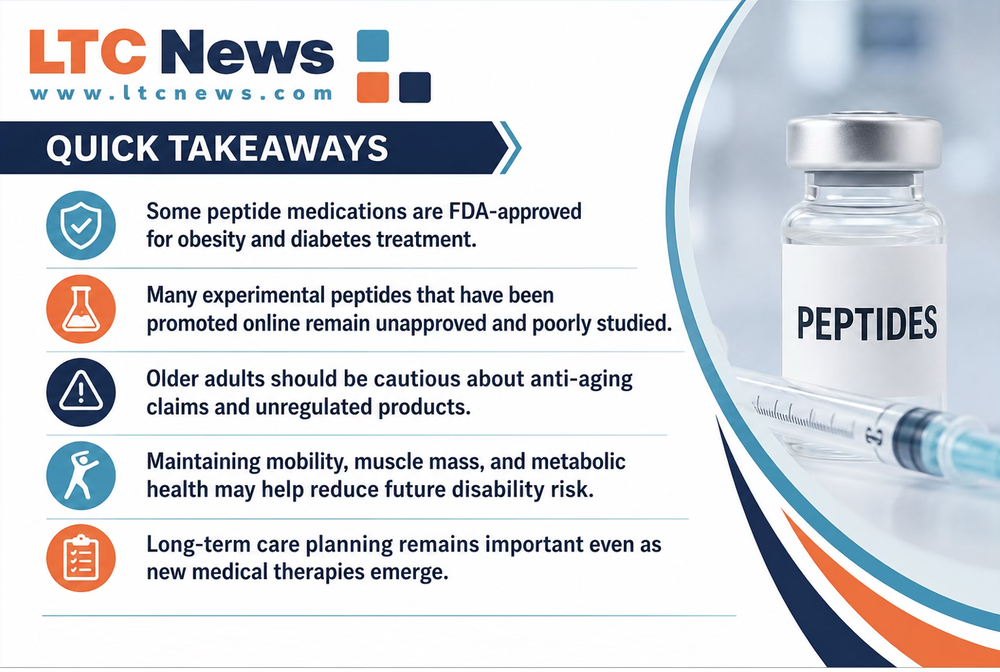
Many of these compounds remain poorly studied in large human clinical trials. Researchers and aging specialists continue urging caution regarding unregulated peptide use and exaggerated anti-aging claims surrounding experimental compounds.
Biggest Risks Older Adults Should Understand
The peptide conversation often focuses heavily on benefits. The risks receive far less attention. For adults over 40, especially those managing chronic medical conditions, the concerns can be significant.
- Unregulated Online Products
Some peptide products sold online may:
- Contain inaccurate ingredients
- Have contamination risks
- Lack sterility
- Include improper dosing
- Originate from overseas facilities with limited oversight
The FDA has issued warnings involving unapproved peptide products marketed online and concerns about compounded products that bypass traditional approval pathways.
- Unknown Long-Term Effects
Many experimental peptides lack sufficient long-term human safety data.
Researchers are still evaluating possible:
- Cardiovascular risks
- Hormonal disruption
- Organ effects
- Medication interactions
- Cancer concerns
- Dangerous Self-Experimentation
Physicians and researchers have expressed concern about consumers combining multiple peptide products without proper medical supervision.
That can become especially risky for older adults living with:
- Heart disease
- Diabetes
- Kidney disease
- Liver disease
- Cancer history
- Cognitive impairment
- Financial Exploitation
Some wellness clinics market expensive anti-aging or peptide subscription programs using aggressive claims involving:
- Longevity
- “Age reversal”
- Metabolic optimization
- Rapid body transformation
Many of those claims lack rigorous long-term clinical evidence.
What Legitimate Experts Say About Healthy Aging
Despite growing interest in peptides and longevity therapies, most experts in aging medicine continue emphasizing the same fundamentals that consistently improve long-term health outcomes. Lifestyle habits still play the biggest role in preserving independence, reducing disability risk, and improving quality of life as you age.
Regular exercise, muscle preservation, healthy nutrition, sleep quality, social engagement, and chronic disease management remain among the most important factors influencing healthy aging. Maintaining mobility and physical independence can significantly affect quality of life later in life. No peptide currently replaces those basics.
Could Better Metabolic Health Reduce Long-Term Care Risk?
Researchers continue studying whether improving obesity, insulin resistance, and metabolic dysfunction earlier in life may help reduce disability, frailty, and chronic disease later in life.
According to a 2022 report from the U.S. Department of Health and Human Services Assistant Secretary for Planning and Evaluation, 56% of Americans turning 65 will develop a disability serious enough to require long-term services and supports during their lifetime.
Medical advances may improve health outcomes, but they do not eliminate the realities of aging, dementia, mobility decline, or chronic illness. You still need a plan, as longevity itself is a risk due to frailty and increased risk of dementia.
Medicare and traditional health insurance do not cover most custodial long-term care. Long-Term Care Insurance remains an important component of retirement and aging planning. With the ever-increasing cost of long-term care services and the tremendous impact that it has on your family, an LTC policy will provide the tax-free funds to ensure access to your choice of quality care options, even at home.
Planning resources are available through the LTC News Long-Term Care Insurance Learning Center.
What You Should Do Before Considering Peptide Therapy
If you are considering peptide therapy, experts recommend approaching the topic carefully.
- Work With Licensed Medical Professionals
Avoid websites or sellers offering “research peptides” without physician oversight or legitimate medical evaluation.
- Ask About FDA Status
Understand whether a therapy is:
- FDA-approved
- Compounded
- Investigational
- Experimental
Those distinctions matter.
- Be Skeptical of Anti-Aging Claims
There is currently no proven medical therapy that stops or reverses human aging.
- Review Medication Interactions
Older adults often take multiple medications. Peptide therapies may affect blood sugar, heart rate, hormones, or metabolism.
- Focus on Long-Term Health
The goal should be to preserve independence, mobility, and quality of life, not to chase social media trends.
Planning for a Longer Life Requires More Than Following Trends
Medical advances may help you remain healthier longer, but they do not eliminate the financial and emotional realities of aging. Have you discussed your future care preferences with your family? Have you considered how long-term care services would be paid for if chronic illness, frailty, or dementia affected your independence later in life?
Frequently Asked Questions
Why are experts concerned about peptides sold online?
Some online peptide products may contain inaccurate ingredients, contamination risks, improper dosing or products sourced from facilities with limited oversight. The FDA has issued warnings regarding unapproved peptide products and compounded therapies marketed online.
Are peptides safe for older adults?
Safety depends on the specific peptide, the individual’s health conditions and medical supervision. Many experimental peptides lack long-term human safety data, which may create added risks for older adults managing heart disease, diabetes, kidney disease or other chronic health issues.
Can peptides reverse aging?
No peptide therapy has been scientifically proven to stop or reverse human aging. While researchers are studying peptides for metabolism, inflammation, recovery and healthy aging, many anti-aging claims promoted online remain unproven or exaggerated.
Are all peptides FDA-approved?
No. Some peptide-based medications are FDA-approved and supported by extensive clinical research. However, many peptides promoted online or through wellness clinics remain investigational, experimental or compounded products that have not received FDA approval.
What are peptides?
Peptides are short chains of amino acids that help regulate many important functions in the body, including metabolism, hormone signaling, appetite, tissue repair and immune response. Some peptides are naturally produced by your body, while others are developed for medical research or pharmaceutical use.
Why is long-term care planning still important even with new medical therapies?
Medical advances may improve health outcomes and longevity, but aging, frailty, dementia and chronic illness still create long-term care risks for millions of families. Medicare and standard health insurance generally do not cover most custodial long-term care services, making advance planning important.
Why are peptides becoming so popular?
Interest in peptides has surged because of the success of glucagon-like peptide-1 (GLP-1) medications used for obesity and diabetes treatment. Social media, celebrity endorsements, wellness clinics and public discussions involving anti-aging and metabolic health have also fueled public interest.
How does obesity affect long-term care risk?
Obesity can increase the risk of arthritis, mobility decline, diabetes, heart disease, frailty and other chronic health conditions that may eventually lead to long-term care needs. Maintaining healthier metabolic health during midlife may help preserve independence later in life.
What is Retatrutide?
Retatrutide is an investigational “triple-agonist” peptide being studied for obesity and metabolic disease. Researchers are examining how it affects appetite, blood sugar regulation and energy expenditure through multiple hormonal pathways. As of May 2026, Retatrutide has not received FDA approval.
Does Medicare cover peptide therapies?
Coverage depends on the medication and diagnosis. Some FDA-approved therapies may be covered under certain Medicare plans, but many experimental, compounded or anti-aging peptide treatments are not covered.


Sponsored