New Dementia Cases Could More Than Double by 2050, With Higher Rates Among Women

About This Article
New international research projects nearly 25 million new dementia cases annually by 2050. The findings raise concerns about caregiving, memory care capacity, and the growing burden of long-term care on families worldwide.

James Kelly
LTC News staff writer specializing in long-term care and aging.
Table of Contents
- What the New Dementia Study Found
- New Dementia Cases Versus People Living With Dementia
- Women Have Higher Observed Dementia Incidence Rates
- Dementia Rates Also Differ by Country Income
- Why the Findings Matter for Families
- Growing Demand for Professional Caregivers
- Long-Term Care Insurance and Cognitive Impairment
- Can Dementia Be Prevented?
- Planning Ahead for Dementia and Extended Care
- A Global Warning With Personal Implications
The number of people developing dementia worldwide each year could more than double by 2050, according to new research published in JAMA Neurology. The findings also show higher estimated rates among women and people living in low- and middle-income countries.
Researchers estimate that 11.4 million people developed dementia worldwide in 2023. That number could reach 24.7 million annually by 2050, an increase of 116 percent. The research underscores the growing need for long-term care services in the United States and worldwide.
The projected increase is driven by population growth and aging, not necessarily a growing risk of dementia for individuals of the same age. The findings raise important questions about whether families, health systems and long-term care providers will have the resources to meet the growing demand for dementia care.
The research reinforces a clear pattern: lifespan is rising, but healthspan is not keeping pace. The gap between how long we live and how long we remain healthy is defined by dependence, and that gap is where longterm care begins. Dementia is one of several conditions that can lead to the need for help with daily activities or ongoing supervision due to cognitive decline." — Matt McCann, CLTC.
For adults approaching retirement and those caring for aging parents, the research also highlights the importance of protecting brain health and preparing for possible extended care needs, including adding Long-Term Care Insurance to a comprehensive retirement plan.
Learn More: Types of Long-Term Care Insurance Policies - Which is Best for You?
What the New Dementia Study Found
The study, published Oct. 12, 2026, analyzed data from 38,418 people across 22 population-based studies in 18 countries and territories on six continents. Researchers from the University of New South Wales Sydney's Center for Healthy Brain Aging led the international investigation. The studies recruited participants between 1990 and 2011, and researchers collected follow-up information through 2021. During 287,632 person-years of observation, 3,001 participants developed dementia.
Person-years measure the combined time participants spend in a study. For example, 1,000 people followed for five years would contribute approximately 5,000 person-years. Researchers used the findings to estimate how frequently new dementia cases occur across different populations. They then applied age- and sex-specific rates to population estimates and projections.
The results suggest:
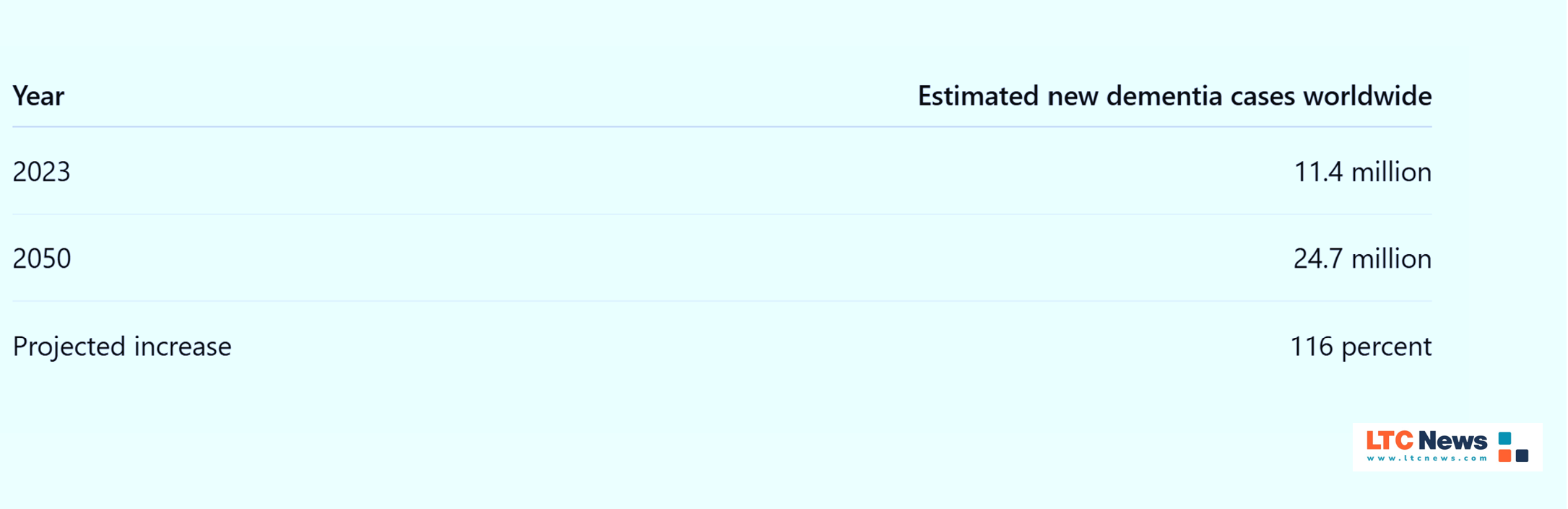
The 2023 figure is a statistical estimate, not a direct count of every person diagnosed with dementia that year. The 2050 projection assumes dementia incidence rates remain constant. Future improvements in prevention, treatment, and risk-factor management could change the outcome.
New Dementia Cases Versus People Living With Dementia
A key distinction is between incidence and prevalence. Incidence measures how many people develop a condition during a specific period. Prevalence measures the total number of people living with the condition at a particular time.
The new study focuses on incidence, which is the number of new dementia cases each year. Separate research has projected that approximately 150 million people could be living with dementia worldwide by 2050. These estimates measure different things and should not be confused.
Women Have Higher Observed Dementia Incidence Rates
One finding concerns differences between women and men. After adjusting for age, researchers estimated the following rates:
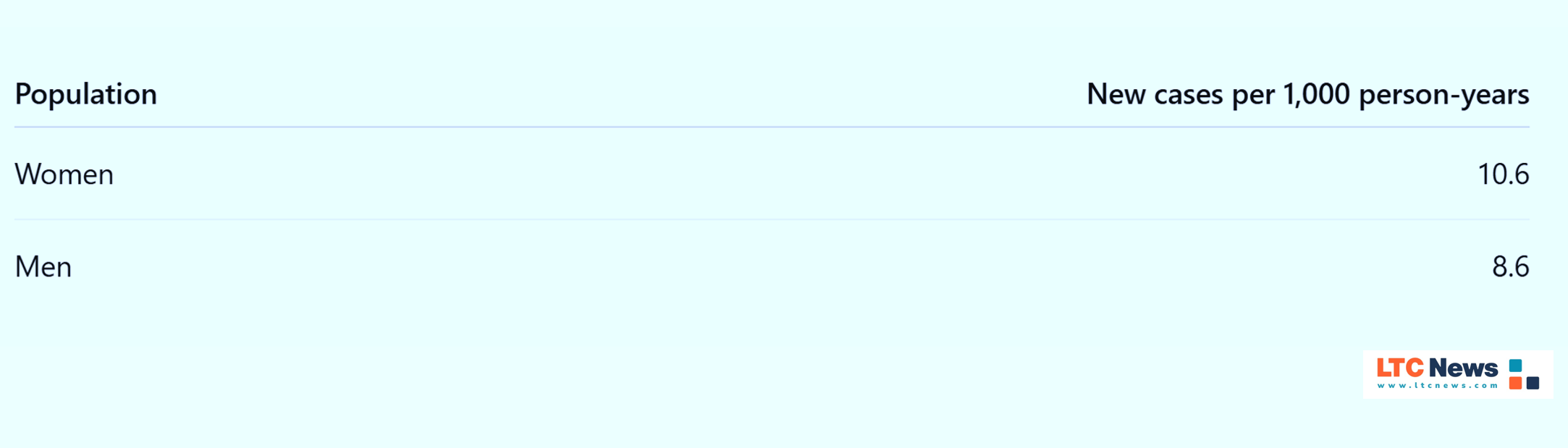
The researchers observed a higher dementia incidence rate among women, even after accounting for age differences. Women generally live longer than men, and advanced age remains the strongest known risk factor for dementia. However, longer life expectancy alone may not explain the observed difference.
Researchers say additional studies are needed to determine whether biological, hormonal, cardiovascular, social, or other factors contribute. The findings do not establish that menopause, estrogen changes, or any particular health condition causes the difference.
Ashleigh Vella, Ph.D., the study's lead author and a postdoctoral research fellow at the University of New South Wales, emphasized the importance of understanding differences between populations.
"What stands out is that dementia incidence is not evenly distributed. We see higher rates among women and in low- and middle-income countries." — Ashleigh Vella, Ph.D., quoted in the university's Oct. 13 research announcement.
The findings are particularly relevant for women because they also shoulder a substantial share of unpaid family caregiving. A woman may spend years caring for an aging parent or spouse before facing her own health and long-term care needs later in life. That can affect retirement savings, employment decisions, and family financial security. In the United States, health insurance and Medicare cover only short-term skilled care, not long-term custodial care, including dementia care. Medicaid pays for this type of extended care, but only for those with limited financial resources.
Many families have turned to Long-Term Care Insurance to ensure access to dementia care and other long-term care services without spending assets or depending on adult children to become caregivers.
Dementia Rates Also Differ by Country Income
The research identified higher estimated dementia incidence in low- and middle-income countries compared with high-income countries.
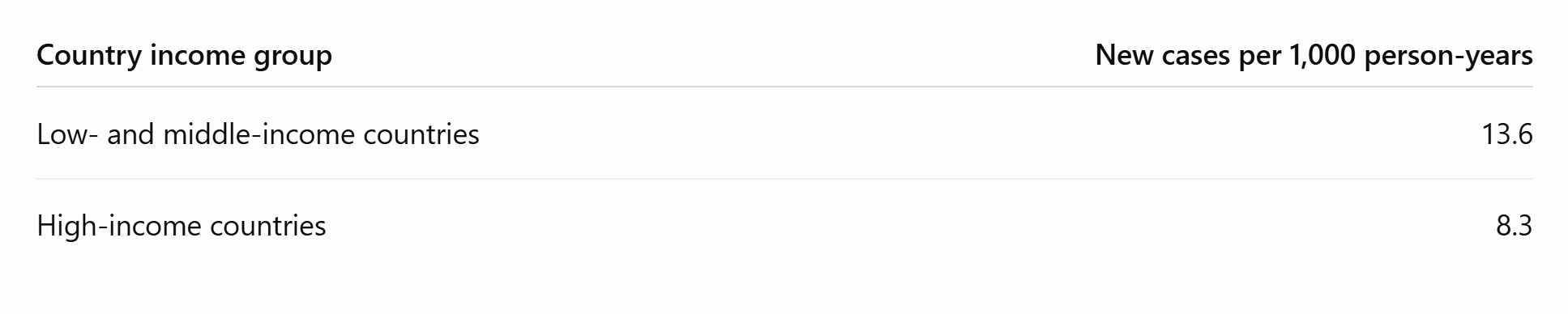
The estimated rate in lower-income countries was approximately 64 percent higher. However, researchers cautioned against drawing overly broad conclusions. The study included only six low- and middle-income countries, compared with 12 high-income countries. The estimates also had uncertainty ranges that overlapped.
Consequently, the findings should not be interpreted as proof that every lower-income country has higher dementia incidence than wealthier nations. The researchers did not determine why the differences occurred.
Possible contributing factors include cardiovascular health, diabetes, education, access to preventive care, environmental exposures and socioeconomic conditions. The study could not establish which factors were responsible.
Perminder Sachdev, M.D., Ph.D., a senior study author and co-director of the Center for Healthy Brain Aging, said the findings demonstrate the importance of strengthening dementia prevention and care services in countries with limited resources.
The challenge is particularly significant because many developing nations are experiencing rapid population aging without the same level of medical infrastructure, professional caregiving services, or long-term care financing available in wealthier countries.
Why the Findings Matter for Families
Dementia is not a single disease. It describes a group of symptoms, including declines in memory, thinking, judgment, and other cognitive abilities, severe enough to interfere with everyday life. Alzheimer's disease is the most common cause. Other forms include vascular dementia, Lewy body dementia, and frontotemporal dementia.
Symptoms and progression vary.
Some people live independently for years after an early diagnosis. Others eventually need substantial assistance or continuous supervision.
As dementia progresses, individuals may experience difficulty with:
- Managing medications and finances.
- Preparing meals and maintaining household safety.
- Remembering appointments or recognizing familiar places.
- Bathing, dressing, and other daily activities.
- Communicating needs and making decisions.
- Recognizing dangers, including wandering or unsafe behavior.
One of the greatest challenges is that a person can remain physically mobile while experiencing serious cognitive impairment. Someone may be able to walk, eat, and dress without assistance but still be unable to remain safely alone.
This can create a need for extended supervision and professional care even before significant physical disabilities develop.
Growing Demand for Professional Caregivers
In the United States, approximately 63 million adults provide unpaid care to family members, friends, or neighbors, according to the 2025 Caregiving in the U.S. report from AARP and the National Alliance for Caregiving.
Not all provide dementia care, but the number illustrates how heavily American families already rely on unpaid assistance. Dementia caregiving can be particularly demanding because it may require supervision day and night. Family members may face interrupted sleep, reduced working hours, lost income, and emotional stress.
As more people develop dementia, demand for professional in-home caregivers, adult day care, assisted living, memory care, and nursing home services could increase. The availability of trained workers may become as important as the availability of facilities, not to mention how this care will be paid for.
Long-Term Care Insurance and Cognitive Impairment
Federal research estimates that approximately 56 percent of Americans reaching age 65 will need some form of long-term services and supports during their remaining lifetime. That estimate includes care needs arising from many conditions, not dementia alone. Long-Term Care Insurance is one way to help address the financial consequences of extended care.
Tax-qualified Long-Term Care Insurance policies provide benefits when an insured person requires substantial assistance with at least two of six activities of daily living or needs substantial supervision because of severe cognitive impairment. A licensed health care practitioner must certify that the insured meets the applicable eligibility requirements, subject to federal rules and policy provisions. The cognitive impairment benefit trigger is particularly important for people with Alzheimer's disease and other dementias.
A person may not need physical assistance with two daily activities but may still require substantial supervision to protect against threats to health and safety. Most Long-Term Care Insurance policies will help pay for professional in-home care, adult day care, assisted living, memory care, and nursing home services. Coverage can provide more flexibility in choosing care while helping protect income and assets and ease family stress.
However, Long-Term Care Insurance generally must be purchased before significant cognitive impairment develops. A diagnosis of dementia will ordinarily prevent someone from qualifying for new traditional coverage. Most consumers purchase Long-Term Care Insurance between ages 47 and 67, although eligibility and premiums depend on health, age, and the policy selected, according to LTC News research.
👉For families with existing long-term care coverage, LTC News offers access to free Long-Term Care Insurance claims assistance to help them access policy benefits. LTC News partners with Amada Senior Care to provide free claim support at no cost or obligation—File a Long-Term Care Insurance Claim.
Can Dementia Be Prevented?
Although the study projects a substantial increase in new cases, dementia is not an inevitable consequence of aging. Some risk factors, including age and genetics, cannot be changed. Others may be influenced by lifestyle choices, preventive medicine and management of chronic health conditions.
The 2024 Lancet Commission on dementia prevention, intervention and care identified 14 potentially modifiable risk factors across the lifespan. The commission estimated that addressing these factors could potentially prevent or delay a substantial proportion of dementia cases at the population level. That does not mean every individual case can be prevented.
Steps that may help support brain health include:
- Control blood pressure and cholesterol. Cardiovascular health is closely associated with brain health.
- Manage diabetes. Appropriate treatment may reduce vascular complications that contribute to cognitive problems.
- Remain physically active. Regular exercise supports circulation, mobility, and overall well-being.
- Avoid smoking and excessive alcohol consumption. Both can contribute to health problems associated with cognitive decline.
- Address hearing and vision loss. Proper evaluation and treatment can improve communication, independence, and quality of life.
- Maintain social connections. Engagement with friends, family, and community activities supports emotional health.
- Protect against head injuries. Fall prevention and appropriate safety measures become increasingly important with age.
- Seek medical evaluation for cognitive changes. Some causes of memory problems are treatable, and early assessment can help identify appropriate care options.
These actions cannot guarantee that dementia will be prevented. However, they can support healthier aging and may reduce or delay some dementia risks. Anyone experiencing persistent memory loss, confusion, changes in judgment, or difficulty performing familiar tasks should discuss those symptoms with a physician or other qualified health professional.
Planning Ahead for Dementia and Extended Care
The study's projections highlight a growing challenge for aging societies, including the United States, Canada, the United Kingdom, and Australia. More people are reaching ages when dementia becomes increasingly common. At the same time, families may have fewer relatives available to provide care, and adult children often live far from aging parents.
Preparing for possible care needs before a diagnosis can help families avoid difficult decisions during a crisis. Conversations should cover preferred living arrangements, available financial resources, who would make decisions, and whether professional care may eventually be necessary.
Families should also review powers of attorney, advance directives, and other appropriate legal documents while the individual can still participate in decisions. When care becomes necessary, the LTC News Caregiver Directory can help families locate professional caregivers and long-term care services anywhere in the United States, including Puerto Rico and the U.S. Virgin Islands.
For individuals already diagnosed with dementia, planning remains valuable. Families can review available community resources, coordinate with physicians, nurses, therapists, and care teams, and establish support systems that protect safety and independence.
The goal is not simply to find care. It is to preserve quality of life and reduce avoidable stress for everyone involved.
A Global Warning With Personal Implications
The latest research does not mean everyone is becoming more likely to develop dementia. Rather, it demonstrates how population growth and aging could dramatically increase the number of people who develop the condition each year, even if age-specific incidence remains unchanged.
Researchers also emphasize the need for better information from countries historically underrepresented in dementia studies. The projected increase has implications for health systems, professional caregivers, retirement planning, and families who may spend years helping a loved one with cognitive decline.
Prevention, early diagnosis, and improved access to care will be essential. For individuals and families, the findings reinforce another important point: Preparing for possible extended care needs is part of planning for a longer life.
While no plan can eliminate the risk of dementia, early conversations and financial preparation can help preserve independence, protect family resources, and provide more choices when care is needed.
Frequently Asked Questions
Can people reduce their dementia risk?
Some risk factors can be modified. Managing blood pressure, diabetes, and cholesterol, remaining physically active, avoiding smoking, addressing hearing and vision problems, and maintaining social connections may help reduce risk. No strategy guarantees prevention.
Does Medicare pay for dementia care?
Medicare covers certain medically necessary and short-term skilled services, but generally does not pay for ongoing custodial care or extended supervision at home or in a memory care facility. Medicaid may help eligible individuals pay for qualifying long-term care services.
Will the number of dementia cases double by 2050?
Researchers project that annual new dementia cases worldwide could rise from an estimated 11.4 million in 2023 to 24.7 million in 2050, an increase of 116 percent. The projection assumes dementia incidence rates remain constant and reflects population growth and aging.
Does Long-Term Care Insurance cover Alzheimer's disease and dementia?
Tax-qualified Long-Term Care Insurance policies include a benefit trigger for severe cognitive impairment requiring substantial supervision. A diagnosis alone does not automatically qualify someone for benefits. Eligibility depends on the policy and required certification.
Is dementia a normal part of aging?
No. Although dementia becomes more common with advancing age, it is not an inevitable or normal part of aging. Persistent changes in memory, judgment, or thinking should be evaluated by a health professional.
Are women more likely to develop dementia?
The study found higher age-adjusted dementia incidence among women than men. Researchers reported 10.6 new cases per 1,000 person-years among women, compared with 8.6 among men. The reasons remain uncertain, and further research is needed.

Sponsored