More Than Entertainment: How Music and Activities Enrich Life in Long-Term Care Facilities
About This Article
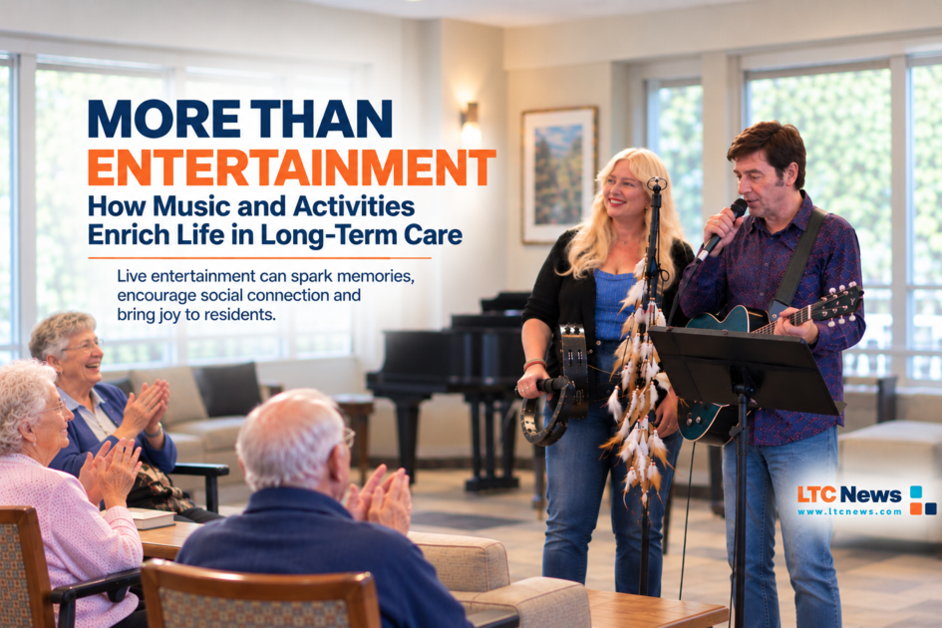
Live music, dancing, comedy, art, and other meaningful activities help long-term care facility residents connect with others, spark memories, and give them something enjoyable to look forward to. These experiences can lift daily life in a care community and offer families reassurance that their loved ones are engaged and supported.

Linda Kople
Linda Kople is a freelance writer focused on caregiving, aging, health, wellness, long-term care, and retirement planning
Table of Contents
- More Than Something to Do
- Music Has a Special Ability to Connect
- Jimmy John Has Seen It Happen
- Social Connection Matters
- Music and Dementia
- Entertainment Is Not the Same as Therapy
- Not Everyone Wants Sinatra or Elvis
- New Experiences Matter, Too
- Families Should Look at the Activity Calendar — and Beyond It
- Planning for Long-Term Care Means Planning for Life
- Quality of Life Doesn't Stop as We Age
I was stuck in traffic on a gray Tuesday when the opening notes of a song from my college years floated out of the radio. It was "Baby, Baby" by Amy Grant. Just like that, I was 20 again. I turned it up. I sang. Loudly. Badly. Happily. You know the feeling, no matter your age. Maybe it happened to you last week. The music we loved when we were young never really leaves us. It waits. And it doesn't care how old we get.
Some songs stick to your life like an old photograph. One comes on the radio, and you're a teen again, windows down, nowhere to be. It still works on me every time. It will work at 85, too. So why do we so often forget it when we think about life in an assisted living facility or nursing home?
The first few notes of an old song can change a room. A resident who had been sitting quietly begins tapping a foot. Someone else starts singing. Another recognizes the song and tells the person next to them about a dance, a spouse, or a summer from decades ago.
For a few minutes, nobody is thinking about medications, walkers, or why they need help with daily living. They're listening to the music. Those moments help explain why entertainment and meaningful activities are an important part of life in assisted living, memory care, and nursing homes.
Quality long-term care services involve much more than helping someone bathe, dress, eat, or take medications. Residents still need friendship, laughter, purpose, stimulation, and opportunities to enjoy themselves. Our older loved ones are still alive, and they can still enjoy life. Entertainment can be part of that.
More Than Something to Do
The Centers for Medicare & Medicaid Services recognizes activities as an important part of a resident's quality of life in a long-term care facility. Federal guidance calls for activities that consider a resident's interests, needs, culture, and personal history while supporting physical, mental, and psychosocial well-being. CMS says meaningful activities should reflect a person's interests and lifestyle, be enjoyable, and help provide a sense of usefulness and belonging.
Brickyard Healthcare, an operator of long-term care facilities in several states, says that participating in enjoyable activities is essential for wellbeing at any age, especially in assisted living or nursing homes. Fun, meaningful interests help residents feel better emotionally while also supporting physical health, social connection, and daily structure.
Regardless of life stage, age, or level of health, being able to participate in fun activities is vital to a high quality of life. Nowhere is this truer than in an assisted living facility or nursing home. Not only can participating in enjoyable interests and activities help residents increase their psychological well-being, but they can also boost physical and social wellbeing by fostering new connections and providing a sense of structure.
That means an activities program should do more than keep people busy. Live music is one option, but there are many others. Comedy shows, dancing, theater, storytelling, art, games, trivia, religious programs, visiting animals, cooking demonstrations, holiday celebrations, exercise programs, gardening, intergenerational visits and performances by community groups can all give residents opportunities to participate.
When individuals move into long-term care, their physical health needs are immediately prioritized, but their emotional and social identities are often left behind. Meaningful activities, entertainment, and personal engagement are not optional luxuries—they are fundamental to human dignity. They give residents a reason to wake up in the morning, connect with others, and remember who they are beyond their medical chart."— Dr. Patricia De Vriendt, Occupational Therapist and Long-Term Care Quality Researcher (from research published in the British Journal of Occupational Therapy on enabling meaningful daily activities in residential care)
There is a difference between residents sitting in front of a television and laughing together at a comedy performance, singing with a musician, or joining an art class. The second gets people involved with one another.
Music Has a Special Ability to Connect
Among the many activities available in long-term care, music has received considerable attention from researchers. Studies of music programs in nursing facilities have reported increased socialization and communication, along with potential benefits involving mood, agitation, and some physical outcomes. Results vary by study and intervention type, so music shouldn't be presented as a cure or guaranteed treatment.
Its value can also be much simpler. Music connects people with their personal histories. A Frank Sinatra song might remind someone of dating their future spouse. Elvis Presley may bring back high school. The Beatles can transport someone to the 1960s. Johnny Cash, Frankie Valli, or Neil Diamond might bring back memories of family trips, dances, concerts, or songs that played on the radio as everyday life unfolded. A song may last three minutes. The memories surrounding it can reach back 60 or 70 years.
Jimmy John Has Seen It Happen
Chicago-area singer, musician, entertainer, and impersonator Jimmy John has watched those reactions unfold in front of him. Chicago is John's hometown, but his career has taken him well beyond local stages. He has appeared as a guest vocalist with a 16-piece orchestra, performed with several Chicago-based Beatles bands, and spent years performing on Broadway in New York with RAIN — A Tribute to the Beatles. He also toured nationally and internationally with the production.
John is now in his 10th season portraying John Lennon with the long-established Chicago Beatles tribute band American English. Some of the performances he finds especially memorable, however, happen on much smaller stages.
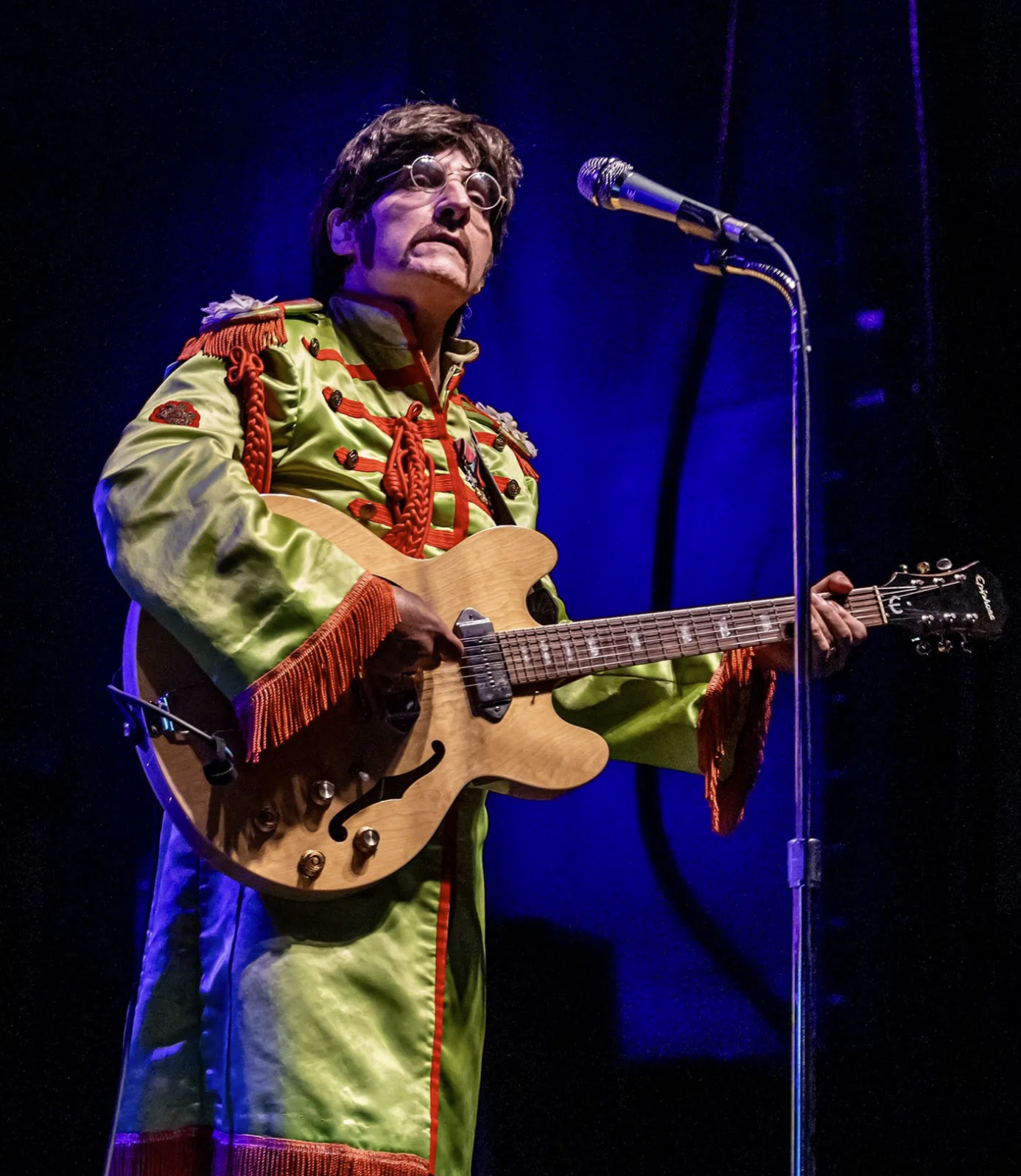
John travels locally and regionally for private performances at long-term care facilities, parties, birthdays, weddings, memorial services, theaters and other special events. His musical impersonations and tributes include John Lennon, Elvis Presley, Frank Sinatra and the Rat Pack, Johnny Cash, Frankie Valli, Neil Diamond, Tom Jones and others.
On many occasions, John is joined by duet partner Tracee, a seasoned vocalist who performs songs associated with artists including June Carter Cash, Olivia Newton-John and Grace Slick while adding harmonies to the duo's performances. John tells LTC News that performing for long-term care residents is different from many other shows.
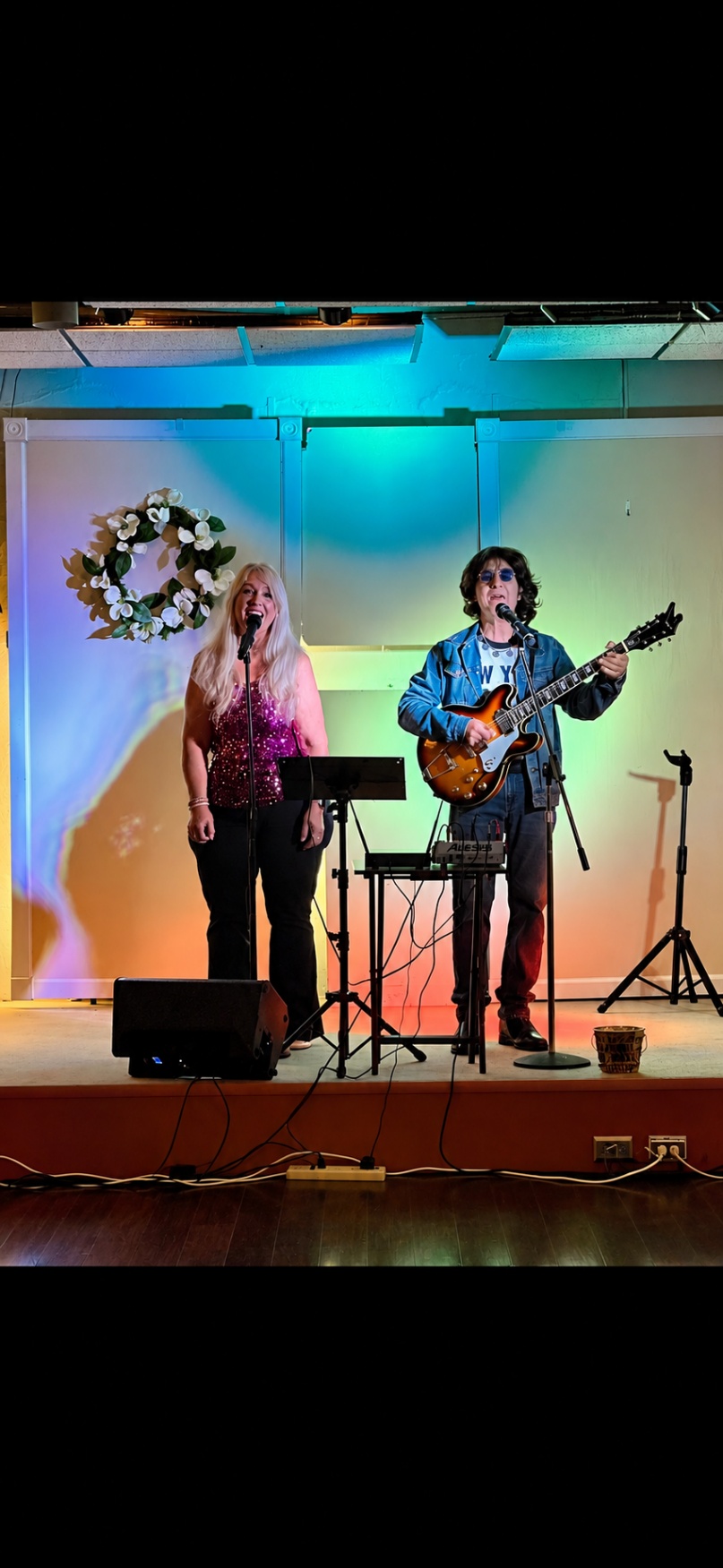
There’s something incredibly rewarding about playing music for people in long-term care. We’ll start a song from the ’50s, ’60s or ’70s, and suddenly you see faces light up. Someone starts singing every word, another person is tapping their feet, and sometimes a resident will tell us exactly where they were when they first heard that song.” — Jimmy John.
He says that music has a way of reaching memories that can otherwise seem far away.
For us, it’s more than performing. We get to bring back a piece of someone’s life for a little while, and that’s a pretty special feeling.” — Jimmy John.
Tracee Clohessy, a resident of Ireland who often comes to the States to join Jimmy John for these shows, tells LTC News that when they perform, she watches residents light up the moment the music starts.
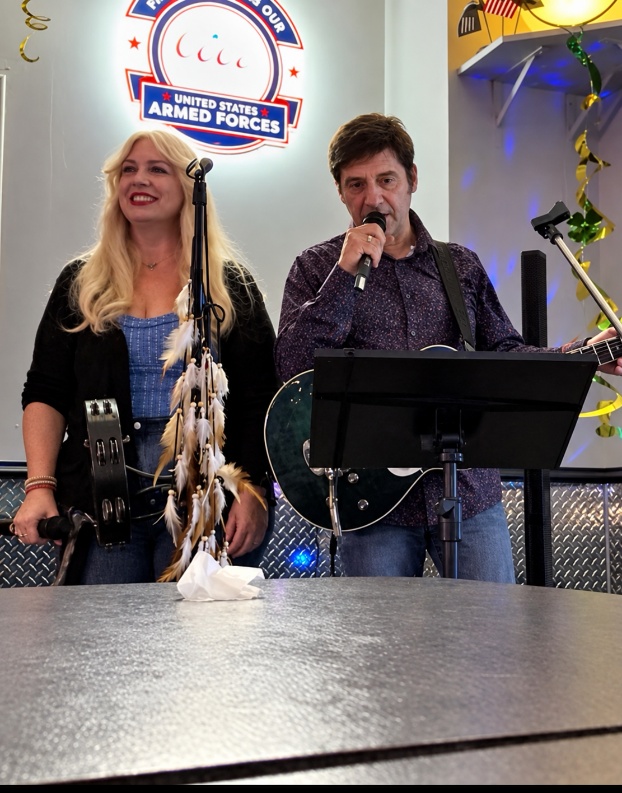
You can almost see them travel back to those memories. Their faces soften, they smile, sometimes they even sing along. It’s like the music unlocks a part of their story, and being able to share that with them is the greatest joy of what we do.” — Tracee, Vocalist.
Social Connection Matters
What happens among the audience can be as important as what happens onstage. Residents talk to one another. They laugh. They sing together. Family members may join them. Staff members sometimes dance or sing with residents.
The National Institute on Aging puts the importance of those relationships into simple terms.
Everyone needs social connections to survive and thrive.” — National Institute on Aging.
Loneliness and social isolation are associated with higher risks of health problems including heart disease, depression and cognitive decline. Older adults can become more vulnerable to isolation because of mobility problems, hearing or vision loss, memory problems, disability and the deaths of spouses, relatives and friends.
NIA also notes that people who participate in meaningful activities they enjoy with others can gain a sense of purpose, while those activities may help improve mood and well-being. Entertainment won't eliminate loneliness or treat a medical condition. A good activities program can, however, create regular opportunities for people to spend time with others.
Music and Dementia
Music can take on additional significance for people living with Alzheimer's disease or another form of dementia. An estimated 7.4 million Americans age 65 and older are living with Alzheimer's dementia in 2026, according to the Alzheimer's Association. Without medical breakthroughs to prevent or cure the disease, that number could reach 13.8 million by 2060.
The Alzheimer's Association says music and art can provide opportunities for engagement and self-expression even as dementia progresses. Someone in the later stages of Alzheimer's may still tap to a beat or sing lyrics from a familiar song. The organization recommends choosing music the individual knows and enjoys and encouraging participation through clapping or dancing. It also cautions against excessive volume and competing noise.
Dr. Scott Kaiser, a geriatrician, says that remembering music or singing a song may use parts of the brain that aren’t impacted by neurodegenerative illnesses like Alzheimer’s and dementia. He says musical perception and related emotions often remain intact even after other cognitive abilities fade, allowing music to reach people long after much else is lost.
It's not uncommon for people living with Alzheimer's disease or other types of dementia to remember music and songs even when they may forget many other names or words and otherwise have significant cognitive deficits. Musical perception, emotion and memory can survive long after other forms of memory and cognitive function have disappeared." — Dr. Scott Kaiser, Geriatrician and Director of Geriatric Cognitive Health for the Pacific Neuroscience Institute.
More stimulation isn't always better, according to experts. The person comes first.
Entertainment Is Not the Same as Therapy
There is also an important distinction between entertainment and therapy. A professional entertainer performing familiar songs for residents can create an enjoyable and meaningful experience. That doesn't automatically make the performance music therapy.
Music therapy is a clinical profession. Qualified music therapists receive specialized education and clinical training and use music to work toward individualized therapeutic goals. A musician performing at a nursing home, a choir singing for residents, or staff playing someone's favorite recordings can still be valuable. It simply shouldn't be described as clinical music therapy unless a qualified music therapist is providing that service. Both can have value, but they serve different purposes.
Not Everyone Wants Sinatra or Elvis
Person-centered care also means recognizing that not every resident enjoys the same thing. Today's assisted living and nursing home residents have different backgrounds, cultures, interests, and tastes.
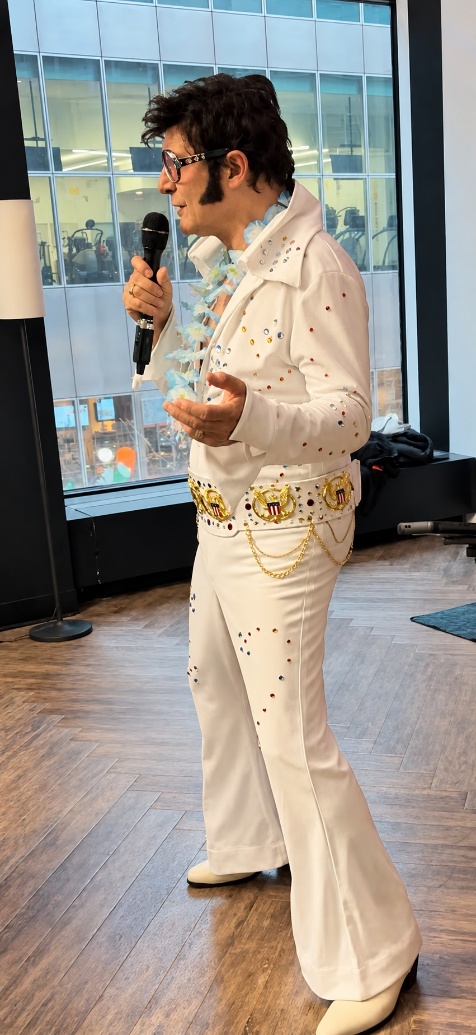
One resident may love Sinatra. Another wants Motown. Someone else prefers country music, gospel, jazz, classical music, the Beatles or early rock 'n' roll. Another resident may not be particularly interested in music at all. That person might prefer painting, cards, sports, animals, cooking, comedy, gardening, or a discussion group.
Families can help activity professionals understand who a resident was, and still is.
- What music did Dad listen to?
- Did Mom like to dance?
- Was she an artist?
- Did he follow baseball?
- Did she love to cook?
- Was faith important?
- What made this person laugh?
Those details can help turn an activity calendar into something personal.
New Experiences Matter, Too
Activities don't always have to revolve around the past. Older adults don't stop learning or making new memories when they move into assisted living or a nursing home. A resident who never painted may discover art. Someone who rarely danced earlier in life may enjoy moving to music from a chair. Two people who didn't know one another before moving into the community may become friends over cards, trivia, or a shared interest.
Reminiscing has value. So does making a new memory.
Families Should Look at the Activity Calendar — and Beyond It
Families touring assisted living, memory care or nursing homes understandably focus on staffing, cleanliness, meals, safety and resident rooms. Look at the life happening inside the building, too. Ask to see the activity calendar, but don't stop there. How many residents actually participate? Does the community bring in musicians, entertainers and community groups?
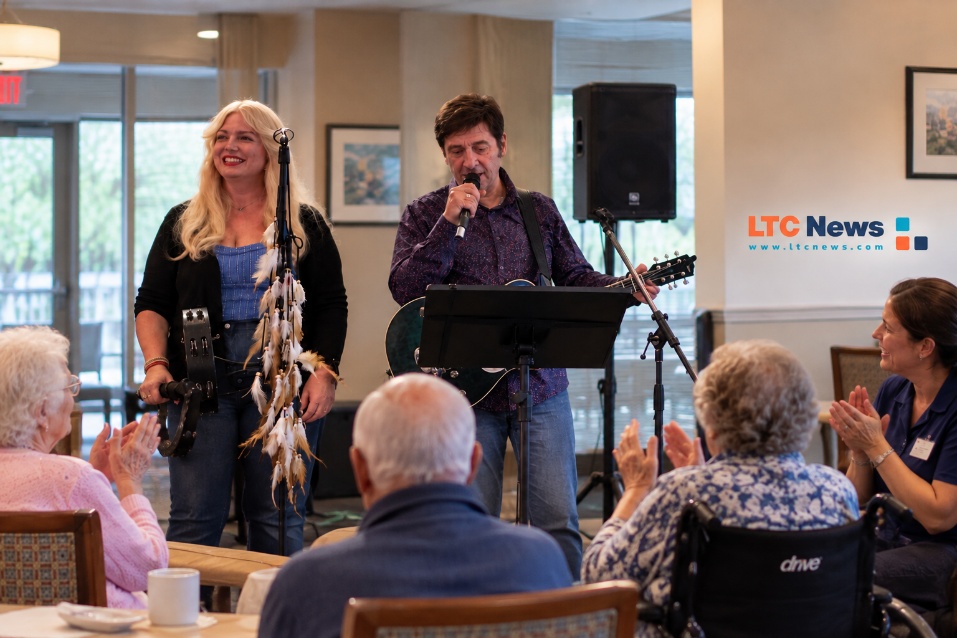
Are activities adapted for residents with mobility limitations, hearing loss, vision problems, or dementia? Do residents have a say in what activities and entertainment are offered? Can family members attend performances and special events?
Most importantly, look around during your visit. Are residents interacting with one another? Are activities actually taking place? Are people encouraged to participate without being pressured? Do activities look appropriate for adults rather than children?
A beautiful building can still be lonely. A good long-term care community should provide appropriate care while recognizing that people still need friendship, laughter, stimulation, purpose, and enjoyment.
Helpful Hint: If you are looking for a caregiver or long-term care facility for a loved one, start with the LTC News Caregiver Directory. The directory lets you search over 80,000 caregivers, senior communities, and long-term care facilities by ZIP code and other criteria. If your loved one has Long-Term Care Insurance, tell the admissions director that the policy exists. LTC News also partners with Amada Senior Care to provide free claim support at no cost or obligation, making it much easier to get benefits from the policy — File a Long-Term Care Insurance Claim.
Planning for Long-Term Care Means Planning for Life
Federal research estimates that 56 percent of Americans turning 65 will need long-term services during their remaining lifetime. It is a real concern, and often, without advance planning, families provide much of that care or must pay for professional care from income and assets.
Medicare does not pay for ongoing custodial long-term care. Medicare Part A can cover short-term skilled nursing facility care when eligibility requirements are met. Medicaid can pay for long-term care for people who meet limited financial and other eligibility requirements. Long-Term Care Insurance can provide benefits for qualifying care at home and in settings such as adult day care, assisted living, memory care, and nursing homes, depending on the policy.
Learn More: LTC News Long-Term Care Insurance Learning Center
Quality of Life Doesn't Stop as We Age
Too many people think if you or a loved one needs long-term care, that the quality of life ends. This is just not true. There may be limitations, but quality extended care services can improve your quality of life. That means good food, attentive caregivers, appropriate medical care, and a comfortable place to live. It also means opportunities to laugh, socialize, participate, and continue enjoying things that have always mattered — while perhaps discovering something new.
Sometimes it can be as simple as a performer walking into a room, picking up a guitar and playing a song someone hasn't heard in years. The first few notes are familiar. A resident looks up; it could be a loved one, or it could be you decades from now. Then comes a smile. Before long, someone is singing along.
Life is still good.
Editor’s note: You can contact Jimmy John about booking by email: tripperlen@aol.com.
Frequently Asked Questions
Is live musical entertainment the same as music therapy?
No. A singer, band or other entertainer can provide residents with an enjoyable and meaningful experience, but that does not automatically make the performance music therapy. Music therapy is a clinical profession involving specialized education, training and individualized therapeutic goals. Both can have value, but they serve different purposes. Pasted text
Why can familiar music be so meaningful to older adults?
Music can be closely connected to personal memories and emotions. A familiar song may remind someone of high school, dating, marriage, family trips or other important times in life. It can also encourage residents to sing, move, talk with others or share stories about their past. Pasted text
Why are entertainment and activities important in assisted living and nursing homes?
Meaningful activities give residents opportunities to socialize, have fun, stay engaged and maintain a sense of purpose. Quality long-term care is about more than assistance with daily living and medical needs. Residents still need friendship, laughter, stimulation and experiences they enjoy. Pasted text
What types of entertainment are good for long-term care residents?
There is no single activity that appeals to everyone. Live music, comedy, dancing, theater, storytelling, art, trivia, games, religious programs, visiting animals, cooking, gardening, exercise, holiday events and intergenerational programs are among the possibilities. The best programs consider each resident's interests, abilities, culture and personal history. Pasted text
Can music help someone with Alzheimer's or another form of dementia?
Music does not cure or reverse dementia, but familiar music can provide opportunities for engagement and self-expression. The Alzheimer's Association notes that someone in the later stages of Alzheimer's may still respond to a beat or sing lyrics from a familiar song. Music should be selected around the individual's preferences, and excessive volume or competing noise should be avoided. Pasted text
What should families look for when touring an assisted living or nursing home?
Don't just look at the building. Ask to see the activity calendar and find out whether the activities actually take place and how many residents participate. Ask whether outside entertainers visit, whether residents have input and whether activities are adapted for people with dementia, mobility limitations, hearing loss or vision problems. Most importantly, observe whether residents appear engaged and whether staff encourage participation without pressuring them.
How can families help make activities more meaningful for a loved one?
Tell the staff what the person actually enjoys. What music did they listen to? Did they dance, paint, cook, follow sports, attend religious services or enjoy animals? What made them laugh? Those details can help staff provide activities that reflect the individual rather than taking a one-size-fits-all approach. Pasted text

Sponsored