HRT Warnings Removed: What New Federal Action Means for Women’s Health—Why It Matters for Aging and Long-Term Care

About This Article
The U.S. Department of Health and Human Services and the Food and Drug Administration are removing long-standing HRT warnings, citing new evidence. Learn how this change affects women’s health, aging, and long-term care planning.

You may feel like your health changes quickly in midlife. Fatigue, sleep disruption, joint pain, mood shifts, and brain fog can make daily life harder than it used to be.
For years, many women avoided hormone replacement therapy because of frightening warnings and confusing medical advice. Now, for the first time in more than two decades, federal agencies say the science tells a different story.
The U.S. Department of Health and Human Services (HHS) and the U.S. Food and Drug Administration (FDA) announced they are removing broad “black box” warnings from menopausal hormone replacement therapy (HRT). The decision comes after a comprehensive review of clinical research, an expert panel in July 2025, and months of public comment.
This change could reshape how millions of women approach health, longevity, and long-term care planning.
Broad “black box” warnings are boxed warnings on prescription drugs written in general, high-level, sweeping language about serious risks—without distinguishing among different patient groups, dosages, formulations, or use timing.
They are called “black box” because the warning appears inside a bold black border at the top of the FDA-approved medication label.
A Historic Shift: Why the FDA Removed HRT Warnings
HRT use collapsed in the early 2000s after the Women’s Health Initiative (WHI) linked hormones to possible breast cancer risk. But the WHI population was older, averaging 63 years, well past the typical onset of menopause. Participants also used hormone formulations no longer common today.
Federal officials now say the warnings overstated risk and contributed to decades of undertreatment.

For more than two decades, bad science and bureaucratic inertia have resulted in women and physicians having an incomplete view of HRT. We are returning to evidence-based medicine and giving women control over their health again. — HHS Secretary Robert F. Kennedy Jr.
FDA Commissioner Marty Makary, M.D., M.P.H., says that women and their physicians should make decisions based on data, and not on fear.
The FDA is removing black box warnings related to:
- Breast cancer
- Cardiovascular disease
- Probable dementia
The warning for endometrial cancer will remain on estrogen-only products used by women without a uterus.
What the New Evidence Shows
The most recent federal review highlights significant health benefits when women begin HRT within 10 years of menopause onset or before age 60. According to HHS and FDA findings released in November 2025:
- All-cause mortality falls for women who start HRT early.
- Heart disease risk drops by up to 50%.
- Alzheimer’s disease risk decreases by roughly 35%.
- Osteoporotic fractures fall by 50% to 60%.
- Sleep, bone density, metabolic health, and cognition improve.
Estrogen is a key hormone. Every part of a woman’s body depends on it to operate at its best—including the brain, bones, heart, and muscles. — Alicia Jackson, Ph.D., Director of the Advanced Research Projects Agency for Health (ARPA-H).
This is the strongest federal endorsement of HRT safety and efficacy since the early 1990s.
New Options for Menopause Treatment
Along with removing warnings, the FDA approved two new menopausal therapies:
1. The First Generic Version of Premarin in 30+ Years
This approval is expected to lower costs and improve access. Generic formulations undergo rigorous testing to match brand-name safety, quality, and efficacy.
2. A Non-Hormonal Treatment for Vasomotor Symptoms
This new medication offers relief for hot flashes and night sweats for women who cannot or choose not to use hormone therapy.
Affordability and broader access may help close gaps in women’s mid-life health care.
Why This Matters for Aging, Independence, and Long-Term Care
Menopause is not just about symptoms; it shapes your long-term health trajectory.
Lower estrogen accelerates:
- Bone loss
- Muscle decline
- Cardiovascular disease
- Cognitive vulnerability
- Frailty
- Sleep disturbance
- Immune aging
These are also the conditions experts say are most associated with needing long-term care.
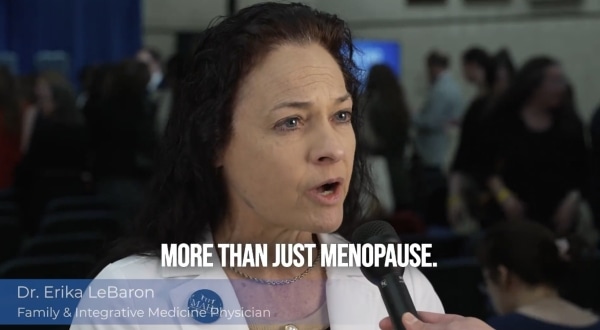
Family and integrative medicine physician Dr. Erika LeBaron notes that hormones play a wide-ranging role in women’s health, supporting cognitive function, heart health and bone strength. She says it is much more than just about menopause.
It’s so preventative in so many of the chronic diseases and the diseases of aging. We can help these women prevent cognitive decline, prevent bone fractures, prevent heart disease. That’s huge. — Erika LeBaron, DO, a bioidentical hormone doctor in Northern Virginia.
HRT’s potential to lower the risk of Alzheimer’s disease, fractures, and heart disease could influence your likelihood of requiring assistance with activities of daily living (ADLs) which are the legal and medical triggers for long-term care in the United States and much of the world.
And as the U.S. Department of Health and Human Services notes, 56 percent of adults will develop a qualifying long-term care need based on cognitive impairment or the need for help with two or more ADLs.
Better midlife health does not eliminate this risk, but it may delay or reduce severity.
The Reality: Health Improvements Don’t Replace Long-Term Care Planning
While the FDA’s action is groundbreaking, it does not change two critical facts:
1. Longevity increases long-term care risk.
Living longer means more years of wear on your bones, heart, and brain—even with HRT. Those in good health enjoy greater longevity, which increases long-term care risk. For those with chronic health issues like diabetes, for example, advances in medical science allow for better control and longevity.
2. Health insurance and Medicare do not pay for long-term care.
Medicare and traditional health insurance will only pay for short-term skilled care, not ongoing help with personal care. Medicare is not an answer for future long-term care.
Experts suggest that a comprehensive retirement plan should still include:
- Long-Term Care Insurance for individuals who have savings and income for guaranteed tax-free benefits
- Asset preservation strategies
- Spousal protection planning
- Provisions for aging in place
- Conversations with family about care preferences
Long-term care costs are rising each year, making the financial impact even greater.
How HRT Fits into a Larger Aging Strategy
HRT is not a magic fix for aging, but it can be a powerful tool for healthspan—the years you live with vitality.
When used appropriately, the evidence suggests it may:
- Support cognitive health
- Preserve bone and muscle
- Improve sleep and mood
- Reduce frailty
- Lower chronic disease risk
These improvements can delay the time when you or a loved one may need extended care.
What You Should Discuss with Your Doctor
Bring questions to your next appointment. Start with:
- Am I a candidate for HRT based on age and medical history?
- Which formulation is safest and most effective for me?
- What monitoring should I expect?
- Should I consider starting within the recommended 10-year post-menopause window?
- What are my options if I cannot take hormones?
- How does HRT fit into my long-term health and aging plan?
Every woman’s risk profile is unique. Decisions should be made with your doctor, who understands the nuances of menopause treatment.
A New Chapter in Women’s Health—and a Reminder to Plan Ahead
For more than 20 years, many women felt forced to choose between suffering and fear. The FDA’s updated stance restores scientific clarity and expands treatment options. But even with improved health in mid-life, the risk of needing long-term care never disappears.
You plan for retirement because you want security and choice. Long-term care is no different. You deserve a future in which you stay independent, protect your family, and live with confidence.

Sponsored