How to Protect an Aging Parent’s Home from Rodents and Pests
About This Article
Mice and other pests may seem like a minor household nuisance, but they can pose real health and safety risks for older adults living at home. Protecting your aging parent’s home from rodents is important to their quality of life.

Linda Kople
Linda Kople is a freelance writer focused on caregiving, aging, health, wellness, long-term care, and retirement planning
Table of Contents
- Why Rodents Are More Than Just a Nuisance
- Why Rodent Problems Often Go Unnoticed in Older Adults’ Homes
- Pest Prevention in Assisted Living and Nursing Homes
- What Families Should Look for When Visiting a Care Facility
- Why Rodent Prevention Matters for Aging in Place
- Frequently Asked Questions About Rodent Prevention and Safe Aging at Home
You stop by your parents’ house for a quick visit. The home looks just like it always has, with family photos on the wall, the familiar smell of coffee in the kitchen, and the comfortable routines they’ve followed for decades.
But small details begin to stand out.
A gap under the garage door. A bag of birdseed or pet food is sitting in the corner of the basement. A cardboard box that’s been sitting untouched for years. Maybe you even hear a faint scratching sound behind the wall late at night.
A cute little mouse might not seem like a big problem. But in an aging home, rodents and other pests can quietly pose health risks, damage property, and undermine an older adult’s ability to live safely and independently.
For families helping parents age in place, preventing rodent infestations is one of those small but important steps that protects both health and peace of mind. In-home caregivers should also pay attention to possible pests and report the problem to the family.
Why Rodents Are More Than Just a Nuisance
Rodents are common in homes across the United States, particularly as temperatures drop and outdoor food sources disappear. According to the Centers for Disease Control and Prevention (CDC), rodents can spread more than 35 diseases worldwide through droppings, urine, saliva, or contaminated food.
Rodents can carry a number of diseases that can spread to people through contact with droppings, urine, or contaminated food. Preventing rodents from entering homes is the most effective way to reduce these risks. — CDC’s Rodent Control Program.
Rodents are also known to spread illnesses such as Salmonella, hantavirus, and leptospirosis, according to public health agencies. For older adults with weakened immune systems or chronic lung conditions, exposure to rodent waste can pose greater health risks.
Older adults may be more vulnerable because:
- Aging immune systems respond more slowly to infection
- Many seniors live with respiratory conditions like asthma or COPD
- Rodent waste can trigger allergies or breathing problems
- Contaminated food or surfaces increase the risk of illness
Even a small infestation can create unhealthy living conditions in a home.
Why Rodent Problems Often Go Unnoticed in Older Adults’ Homes
Rodent problems often develop quietly, especially when an older adult lives alone.
Several factors can make early warning signs harder to detect:
- Vision changes can make small droppings harder to see
- Hearing loss may mask scratching sounds in walls or ceilings
- Mobility limitations can prevent checks of attics, basements, or crawl spaces
- Memory changes may lead to overlooked home maintenance
For adult children who live nearby—or visit occasionally—these subtle signs can be easier to spot. A quick walk through the home during visits can reveal problems before they grow into larger infestations.
Step 1: Inspect the Home Like a Rodent Would
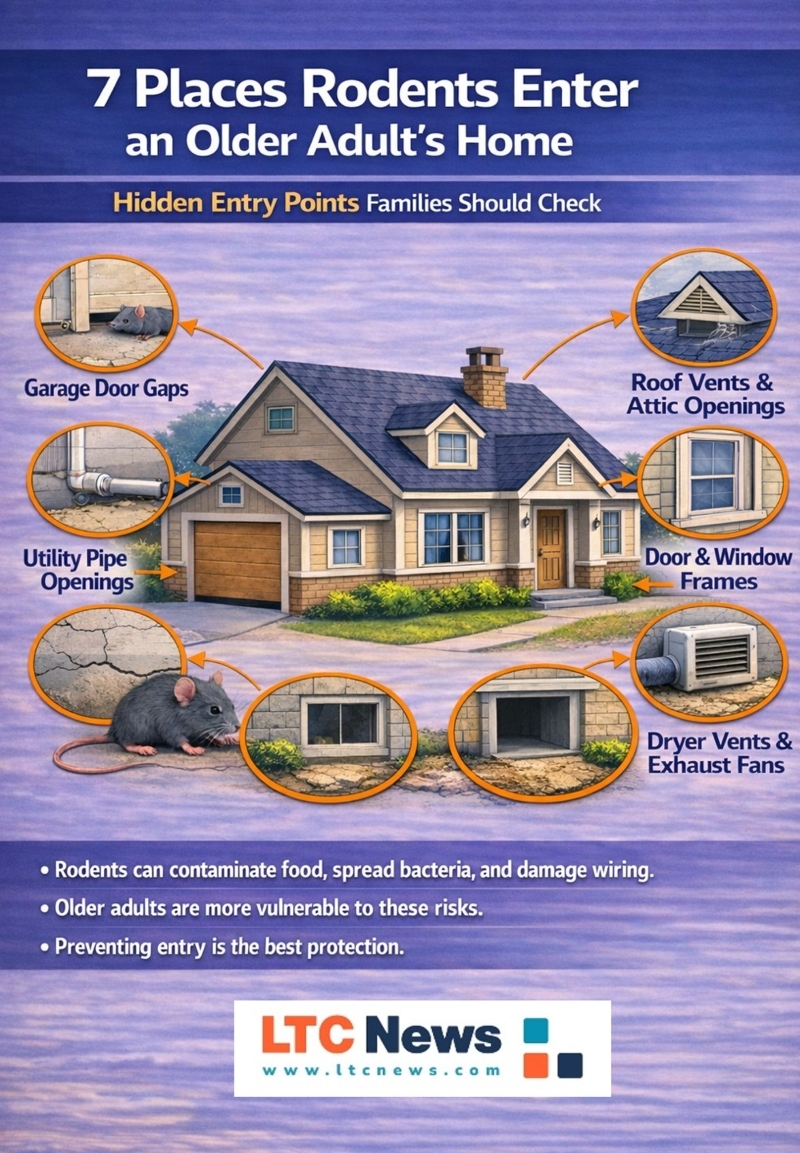
One of the most surprising facts about rodents is how little space they need to enter a home.
- Mice can squeeze through openings the size of a dime
- Rats can enter holes about the size of a quarter
Start with a simple walk around the exterior of the home.

Pay close attention to:
- Foundation cracks
- Garage door seals
- Roof vents and attic openings
- Utility pipe entry points
- Window and door frame gaps
Seasonal inspections can prevent rodents from turning small openings into permanent entryways.
Step 2: Seal Entry Points Before Rodents Discover Them
Once gaps are identified, sealing them quickly can prevent infestations.
The U.S. Environmental Protection Agency (EPA) notes that sealing cracks and openings is one of the most effective pest prevention strategies.
Common sealing methods include:
- Steel wool combined with caulk for small holes
- Metal mesh or hardware cloth for vents
- Weather stripping around doors and windows
- Door sweeps on exterior doors and garages
Rodents can chew through many materials, so metal barriers are often the most effective solution.
Step 3: Know When Professional Pest Control Is the Safer Option
If you notice signs that rodents are already inside the home, professional pest control may be the safest solution. In this regard, working with professional pest control is often the safest option.
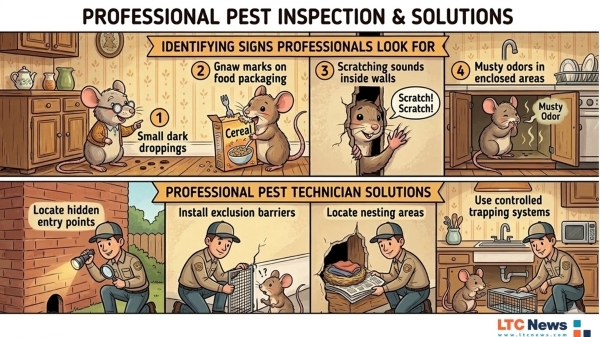
Common warning signs professionals look for include:
- Small dark droppings near cabinets or food storage
- Gnaw marks on food packaging
- Scratching sounds inside walls
- Musty odors in enclosed areas
Professional pest technicians can:
- Identify hidden entry points
- Locate nesting areas
- Install exclusion barriers
- Use controlled trapping systems
This can be especially important when an older adult lives with memory loss or dementia, where loose traps or poison bait could create safety risks.
Step 4: Control Food Sources That Attract Rodents
Rodents settle where food is readily available. Food contamination is one of the biggest risks rodents create inside homes. They can spread bacteria, such as Salmonella, through droppings and urine on surfaces or on stored food.
Simple kitchen habits can significantly reduce the risk:
- Store dry foods in sealed containers
- Wipe kitchen counters after meals
- Remove pet food overnight
- Empty trash bins regularly
- Clean crumbs around appliances
These habits remove the scent trails that attract rodents in the first place.
Step 5: Reduce Clutter That Creates Nesting Areas
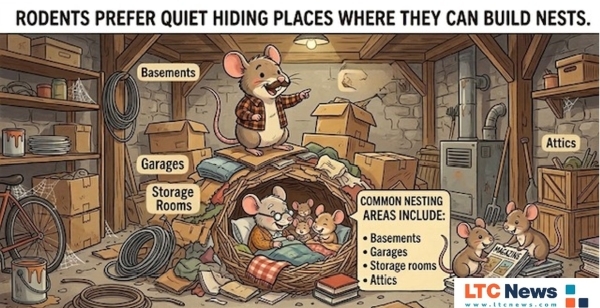
Rodents prefer quiet hiding places where they can build nests.
Common nesting areas include:
- Basements
- Garages
- Storage rooms
- Attics
Cleaning and organizing these spaces improves both pest control and senior safety.
Helpful changes include:
- Using plastic storage bins instead of cardboard
- Keeping items elevated off the floor
- Maintaining clear walkways
Reducing clutter not only discourages rodents but also lowers fall risks for older adults.
Step 6: Choose Safer Trapping Strategies
Traditional pest control methods sometimes create new hazards in aging households.
Potential risks include:
- Snap traps can injure pets or confused seniors
- Poison bait exposing residents to toxic chemicals
- Improper cleanup of rodent droppings releasing harmful particles
Public health guidance emphasizes reducing exposure to rodent waste and using controlled pest management methods when possible.
Professional services can often implement safer solutions.
Step 7: Watch for Seasonal Rodent Activity
Rodent activity often increases during colder months.
When outdoor temperatures drop, rodents look for:
- Warm shelter
- Reliable food sources
- Safe nesting areas
Early warning signs may include:
- Small dark droppings near cabinets
- Gnaw marks on packaging
- Scratching sounds in walls
- Musty odors in confined areas
Catching these signs early can prevent larger infestations.
Step 8: Create a Simple Rodent Prevention Routine
Preventing rodents is easiest when it becomes part of regular home maintenance.
A simple monthly checklist can help:
- Inspect exterior gaps around the home
- Clean and organize storage areas
- Check pantry containers for damage
- Watch for new signs of rodent activity
Small, consistent steps can protect both the home and the person living in it.
Pest Prevention in Assisted Living and Nursing Homes
Even when an older adult moves into assisted living or a nursing home, pest control remains an important health, sanitation, and regulatory issue. However, pest control risks can vary significantly based on geographic location. For example, communities in California may deal more with ants, rodents, and seasonal drought-driven infestations, while facilities in Florida often face higher risks from cockroaches, termites, and mosquitoes due to the warm, humid climate.
Quality long-term care providers typically follow Integrated Pest Management (IPM) programs, a public health approach recommended by the Environmental Protection Agency. Integrated Pest Management focuses on prevention first and chemical treatments only when necessary.

Facilities may take several preventive steps, including:
- Routine building inspections for pest entry points
- Professional pest control contracts and monitoring programs
- Sealing structural gaps around plumbing and ventilation systems
- Strict kitchen sanitation protocols
- Proper food storage in dining and kitchen areas
- Waste management and regular trash removal
- Monitoring traps in maintenance areas
Nursing homes are also subject to regular state and federal inspections, and sanitation or pest issues can trigger citations if they are not addressed promptly.
What Families Should Look for When Visiting a Care Facility
Family visits can help identify potential sanitation or pest issues early.
When visiting an assisted living community or nursing home, watch for signs such as:
- Rodent droppings in corners or near food areas
- Gnaw marks on food packaging
- Musty odors in hallways or storage areas
- Poorly sealed doors or windows
- Excessive clutter in storage rooms
You can also ask the staff a few important questions:
- How often does the facility conduct pest inspections?
- Do you work with a licensed pest control company?
- What sanitation practices are used in kitchens and dining areas?
- How are pest sightings documented and addressed?
Facilities that take sanitation and pest prevention seriously will typically have clear answers and documented procedures. These are questions to ask when looking for an extended care facility for a loved one. Explore long-term care services by using the LTC News Caregiver Directory, which helps you find licensed long-term care facilities, along with in-home caregivers nationwide.
Why Rodent Prevention Matters for Aging in Place
Many older adults want to remain in their homes as they age. Maintaining a safe home environment is an important part of making that possible.
Rodent infestations can create serious problems, including:
- Contaminated food and surfaces
- Respiratory irritation and allergy triggers
- Damage to insulation and wiring
- Fire hazards from chewed electrical cables
Preparing homes for safe aging—and identifying risks early—can help families avoid crises later and improve the quality of life for older adults.
Frequently Asked Questions About Rodent Prevention and Safe Aging at Home
Why are rodents dangerous for older adults?
Rodents can spread bacteria and diseases through droppings, urine, saliva, and contaminated food or surfaces. Older adults may face greater health risks because aging immune systems respond more slowly to infections, and many seniors live with respiratory conditions like asthma or COPD. Rodent waste can also worsen allergies and breathing problems.
What diseases can rodents spread inside a home?
According to public health agencies and the CDC, rodents can spread illnesses including Salmonella, hantavirus, and leptospirosis. Exposure can happen through contaminated food, surfaces, dust particles, or direct contact with rodent waste.
Why do rodent infestations often go unnoticed in older adults’ homes?
Rodent problems may develop quietly when an older adult lives alone. Vision loss can make droppings harder to see, hearing loss may hide scratching sounds, mobility limitations can prevent inspections of basements or attics, and memory changes may delay home maintenance or cleanup.
How do mice and rats get into a house?
Mice can squeeze through openings as small as a dime, while rats can enter through holes about the size of a quarter. Common entry points include foundation cracks, garage door gaps, roof vents, utility pipe openings, and spaces around doors or windows.
What is the best way to prevent rodents from entering a home?
Sealing cracks, holes, and gaps around the home is one of the most effective prevention strategies. Experts recommend using steel wool, metal mesh, weather stripping, and door sweeps to block entry points because rodents can chew through softer materials.
When should families call professional pest control services?
Professional pest control may be the safest option when you notice droppings, gnaw marks, scratching sounds, or musty odors inside the home. Licensed technicians can identify nesting areas, seal hidden entry points, and use safer trapping systems that reduce risks for older adults, especially those living with dementia or memory loss.
How can food storage help prevent rodent infestations?
Rodents are attracted to easily available food sources. Storing dry goods in sealed containers, removing pet food overnight, wiping kitchen counters, cleaning crumbs, and taking out trash regularly can help reduce rodent activity inside the home.
Why is reducing clutter important for rodent prevention and senior safety?
Cluttered basements, garages, attics, and storage rooms create nesting areas for rodents. Reducing clutter by using plastic storage bins, organizing items, and keeping clear walkways not only discourages pests but also lowers fall risks for older adults aging in place.
Are rodent traps and poison dangerous in homes with seniors?
Traditional traps and poison bait can create safety hazards in aging households. Snap traps may injure pets or confused seniors, while poison bait can expose residents to harmful chemicals. Improper cleanup of rodent droppings can also release dangerous airborne particles. Professional pest management often provides safer alternatives.
Why does rodent activity increase during colder weather?
As temperatures drop, rodents search for warm shelter, food, and nesting areas indoors. Fall and winter are common times for infestations because homes provide protection from harsh outdoor conditions.
What are the early warning signs of a rodent infestation?
Common signs include small dark droppings near food storage areas, gnaw marks on packaging, scratching sounds in walls or ceilings, musty odors, and damaged insulation or wiring. Catching these signs early can prevent larger infestations and costly repairs.
How can families create a simple rodent prevention routine?
A monthly prevention checklist can help protect older adults living at home. Families should inspect exterior gaps, clean storage spaces, monitor pantry items, watch for droppings or odors, and address maintenance issues quickly before infestations worsen.
Do assisted living and nursing homes have pest control requirements?
Yes. Assisted living communities and nursing homes typically follow sanitation and pest management programs, including routine inspections, food safety procedures, waste management, and professional pest control monitoring. State and federal inspections can cite facilities for sanitation or pest-related problems.
What should families look for when visiting a care facility?
Families should watch for rodent droppings, gnaw marks, musty odors, cluttered storage areas, and poorly sealed doors or windows. It is also smart to ask staff about pest inspection schedules, sanitation procedures, and whether the facility uses licensed pest control professionals.
Why does rodent prevention matter for aging in place?
Rodent infestations can damage wiring, contaminate food, worsen respiratory conditions, and create fire hazards. Preventing infestations helps older adults maintain a safer, healthier home environment and supports independent living as they age.
Frequently Asked Questions
Should families try to remove rodents themselves?
Small issues can sometimes be managed with prevention and sealing entry points. However, if rodents are already nesting inside walls or spreading throughout the home, professional pest control is often the safest option. This is especially important if an older adult has dementia or mobility issues, since traps and poison baits can create safety risks.
Why are rodent infestations more dangerous for seniors?
Older adults often have weaker immune systems, respiratory conditions, or mobility limitations. Exposure to rodent waste can worsen allergies, trigger breathing problems, or contaminate food sources. In addition, rodents can damage wiring and insulation, creating fire hazards in the home.
How do assisted living and nursing homes prevent pest problems?
Quality long-term care facilities typically follow Integrated Pest Management (IPM) programs. These programs focus on prevention through sanitation, building maintenance, and professional pest monitoring rather than relying only on chemical treatments. Facilities may also undergo routine inspections by state regulators to ensure health and safety standards are maintained.
What are the first signs of a rodent problem in a home?
Early warning signs include:
- Small dark droppings near cabinets or food storage areas
- Gnaw marks on food packaging or wood
- Scratching sounds inside walls or ceilings
- Musty odors in enclosed areas
- Shredded paper or insulation used for nesting
If you notice these signs, it is best to act quickly before a small infestation becomes a larger problem.
How do mice get inside a house?
Mice can squeeze through extremely small openings. In fact, mice can enter holes about the size of a dime, while rats can enter openings about the size of a quarter. Common entry points include gaps around pipes, cracks in foundations, poorly sealed doors, and attic vents.
Can rodents really affect the health of older adults?
Yes. Rodents can spread bacteria and viruses through droppings, urine, saliva, and contaminated food. According to the Centers for Disease Control and Prevention, rodents are known to carry diseases such as Salmonella, hantavirus, and leptospirosis. Older adults may be more vulnerable because aging immune systems and chronic health conditions can make infections harder to fight.
What should families watch for when visiting a long-term care facility?
When visiting a facility, families should look for signs of sanitation and pest control practices, including:
- Clean dining areas and food storage
- No visible droppings or pest damage
- Properly sealed doors and windows
- Organized storage areas without excessive clutter
If you have concerns, ask staff about the facility’s pest control program and how issues are reported and addressed.


Sponsored