Back Pain After 50: What Spinal Adjustments Can (and Can't) Do

About This Article
Spinal manipulation, often called a chiropractic adjustment, may offer modest relief for some older adults with lowback or neck pain, according to Harvard Medical School and research reviewed by the National Center for Complementary and Integrative Health. It can help with pain and mobility, but it isn’t a cure.

Marcus Howard
Marcus Howard writes about alternative health topics for older adults such as CBD, acupuncture, and herbal medicine.
Table of Contents
- What Are Spinal Adjustments?
- Why Back and Neck Mobility Can Change with Age
- What Happens During an Adjustment?
- What Does the Research Show?
- Mobility Matters Beyond Pain
- Spinal Manipulation Isn't the Only Option
- Are Spinal Adjustments Safe?
- Know When Back Pain Needs Medical Attention
- Is Chiropractic Care Right for You?
- The Takeaway - Moving Comfortably
Stiffness after a long day, a back that feels tighter with age, or discomfort when you bend and turn can make everyday activities harder. You may notice these changes so gradually that you start adjusting how you move without realizing how much your mobility has shifted.
Back and neck stiffness can come from many sources. Muscle strain, arthritis, degenerative changes, injuries, prolonged sitting, and other spinal conditions can all play a role. For some people, spinal manipulation, commonly called chiropractic adjustments, is a hands-on technique used to restore proper movement to joints in the spine and other parts of the body. When performed by a chiropractor, it may be one option for managing pain and improving function.
Dr. Steven J. Atlas, an associate professor of medicine at Harvard Medical School, says treatment for back pain has shifted in recent years.
There has been a shift away from medical intervention for back pain and an increased emphasis on treatments that don't focus on medication." — Dr. Steven J. Atlas.
Atlas told Harvard Health Publishing. He noted that even common medications carry more risk for older adults, adding, "there is also an increased appreciation that even medicines such as acetaminophen have risks, particularly in older adults." For patients with more severe symptoms, Atlas said manual treatment, including chiropractic care, massage or physical therapy, is often the first line of therapy.
Research generally supports modest benefits. Spinal manipulation can provide modest improvements in pain and function for some people with acute or chronic low-back pain. However, it is not a cure for every type of back problem. Before starting treatment, it's important to determine the cause of persistent pain or mobility problems.

What Are Spinal Adjustments?
Chiropractic adjustments are a form of spinal manipulation in which a trained practitioner uses their hands or a device to apply controlled force to a joint of the spine. Chiropractors commonly perform spinal manipulation, although other licensed health professionals, including osteopathic physicians and some physical therapists, may also use manipulation or mobilization techniques.
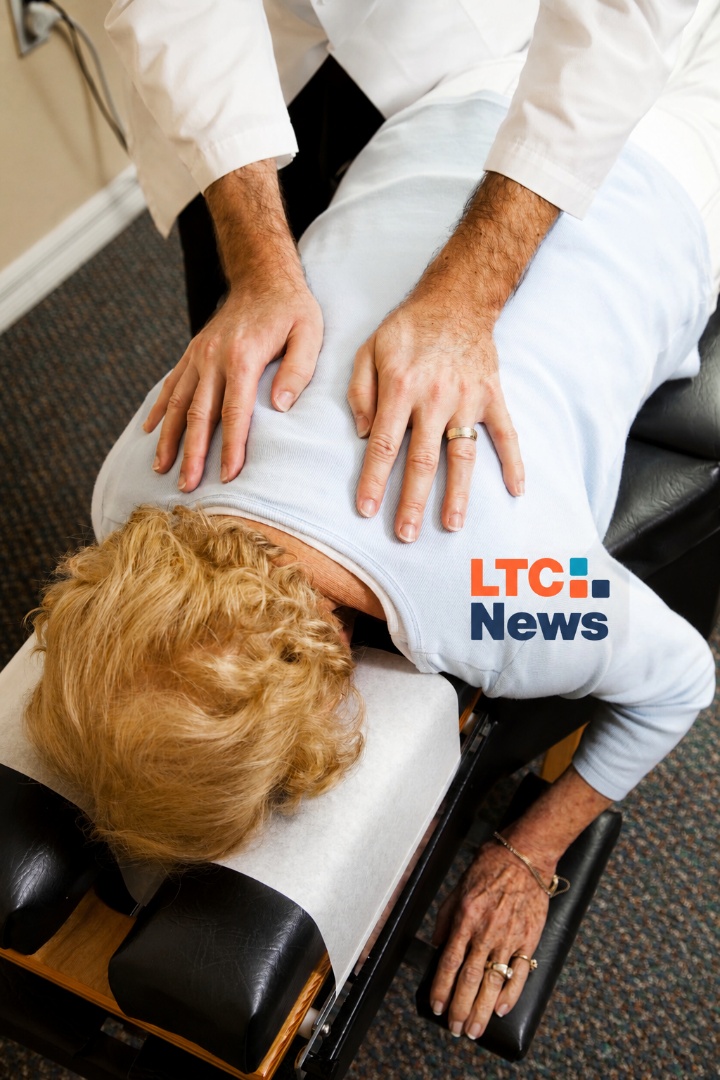
Spinal manipulation differs from spinal mobilization. Manipulation typically involves a controlled thrust that moves a spinal joint beyond the range it would move on its own, while mobilization generally uses slower movements within the joint's normal range.
The goal is generally to improve movement and reduce symptoms. However, an adjustment should not be viewed as putting a vertebra or joint that is routinely "out of place" back into proper alignment.
Why Back and Neck Mobility Can Change with Age
Your spine changes throughout adulthood. Muscles can become weaker or tighter, joints can become less flexible, and age-related changes involving discs and joints can contribute to stiffness and discomfort.
Several everyday factors can also affect mobility:
- Sedentary habits, including sitting for long periods at a desk, in a car or at home
- Previous injuries that continue to cause stiffness or discomfort
- Repetitive movements associated with work, exercise or daily activities
- Age-related changes, including arthritis and other degenerative conditions
- Loss of strength and flexibility, particularly when physical activity declines
Pain itself can also change how you move. If you have back discomfort, you may avoid bending or twisting and start relying more heavily on other muscles and joints. Over time, that can make activities such as walking, standing, getting out of a chair, driving or completing household tasks more difficult.
What Happens During an Adjustment?
A chiropractic visit typically begins with a health history and physical assessment. Depending on your symptoms, the chiropractor may evaluate posture, movement, strength, reflexes, and range of motion. This evaluation is particularly important for older adults or anyone with significant medical conditions.
Not every technique involves the forceful twisting many people picture. Cheryl Hawk, DC, Ph.D., a professor at Texas Chiropractic College and lead author of a national consensus update on chiropractic care for older adults, told AARP that gentler methods are available.
Not every adjusting method involves twisting your neck and hearing it crack." — Cheryl Hawk, DC, Ph.D.
Hawk points to devices called activators that apply precise pressure to a specific joint. However, frailty, osteoporosis, previous fractures, and other medical conditions can affect whether spinal manipulation is appropriate and which techniques can be used safely.
Treatment may involve manual manipulation using the practitioner's hands or an instrument-assisted technique that delivers a more targeted force. The technique used should account for your age, health, symptoms, and underlying condition.
Some adjustments produce a popping or cracking sound. This generally happens when gases in the joint fluid shift rapidly during movement. The sound does not mean a bone or joint was "put back into place," nor does a louder sound indicate a more successful treatment.
What Does the Research Show?
Researchers have studied spinal manipulation most extensively for low-back pain. Research reviewed by the NCCIH suggests spinal manipulation may produce small improvements in pain and function for people with acute or chronic low-back pain.
Function matters even more as you get older. Researchers may evaluate whether back problems interfere with walking, standing, sleeping, household activities, and other parts of everyday life.
Evidence also suggests manipulation or mobilization may help some people with neck pain, though the strength and consistency of that evidence varies. The key word is "may." Not everyone responds to spinal manipulation, and it has not been shown to eliminate the underlying causes of all back or neck problems.
A 2024 observational study published in the journal Cureus, involving researchers from Case Western Reserve University School of Medicine and Harvard Medical School's Osher Center for Integrative Health, found an association between chiropractic spinal manipulation and fewer recorded falls among adults 65 and older with spinal pain. Researchers cautioned that the study could not establish that spinal manipulation caused the lower fall rate, and there was no significant difference in limb fractures between groups. More research, including randomized controlled trials, is needed.
Mobility Matters Beyond Pain
If you're in your 50s, 60s or beyond, treating back problems isn't necessarily just about reducing pain. Mobility can affect your independence. Difficulty bending, walking, standing or turning can eventually interfere with activities you once performed without thinking about them. Even driving can become more difficult if neck stiffness makes it uncomfortable to turn and check surrounding traffic.
Reducing pain and improving function may make it easier for you to remain physically active. Staying active, maintaining strength, and preserving balance and flexibility are important parts of healthy aging. Spinal manipulation, however, should generally be viewed as one possible component of a broader approach rather than a replacement for physical activity or appropriate medical care.
Spinal Manipulation Isn't the Only Option
Depending on the cause of your symptoms, spinal manipulation may not be the most appropriate treatment. Exercise, physical therapy, stretching, strengthening, massage, heat, medication and other nondrug approaches may be recommended for certain types of back pain.
A physical therapist, for example, may focus on improving strength, flexibility, balance and movement patterns. Those goals can be particularly important if you're concerned about maintaining mobility and independence.
The best approach depends on the cause and severity of your symptoms, your overall health and how much the condition affects your everyday activities. Persistent or worsening pain deserves evaluation, not the assumption that the problem is ordinary age-related stiffness.
Are Spinal Adjustments Safe?
Spinal manipulation is generally considered relatively safe when performed by a trained and licensed practitioner, but it is not risk-free. Temporary side effects can include soreness, stiffness, increased discomfort, or headache. These effects are usually mild and resolve relatively quickly. Serious complications are rare.
Manipulation involving the neck deserves additional consideration. Cervical manipulation has been associated with cervical artery dissection, a rare tear in an artery in the neck that can lead to stroke. Researchers continue to debate whether manipulation directly causes some of these events, since an artery dissection can itself produce neck pain that leads someone to seek treatment.
Because of the potential seriousness of the condition, you should understand the potential risk before considering cervical manipulation.
Health history also matters. People with certain underlying conditions may have a greater risk of injury from spinal manipulation. Tell your chiropractor or other treating professional about medical conditions, previous fractures, osteoporosis or bone loss, spinal disorders, surgeries and medications before treatment begins.
Know When Back Pain Needs Medical Attention
Not every painful or stiff back should be treated initially with an adjustment. Seek prompt medical evaluation for back or neck symptoms accompanied by new or progressive weakness, significant numbness, difficulty walking, loss of bowel or bladder control, fever, unexplained weight loss, or severe pain following a fall or other trauma.
Sudden severe neck pain or headache accompanied by dizziness, vision changes, difficulty speaking, facial drooping, weakness, or other neurological symptoms requires immediate medical attention. These symptoms may indicate a condition that requires medical treatment rather than routine musculoskeletal care.
Is Chiropractic Care Right for You?
Some people find spinal manipulation helpful for managing back or neck discomfort and improving their ability to perform everyday activities. Others may benefit more from physical therapy, exercise, or another treatment.
A qualified professional should evaluate your symptoms and health history before recommending treatment. If you're over 50, that evaluation becomes increasingly important because back and neck symptoms may reflect conditions beyond simple muscle tightness.
Tell your doctor, nurse, therapist, and other members of your care team about complementary or musculoskeletal treatments you receive. Coordinating care helps each professional understand your overall health and treatment plan.
The Takeaway - Moving Comfortably
Don't automatically dismiss changes in mobility as a normal part of getting older. Spinal manipulation may modestly improve pain and function for some people with low-back pain and may help certain people with neck pain. But it is one of several available treatment options, and its effectiveness varies from person to person.
The bigger goal is maintaining your ability to move comfortably and safely through everyday life. If you're experiencing persistent stiffness, pain or declining mobility, identifying the cause and developing an appropriate treatment plan can help support your activity, independence and well-being as you age.
As you think about your own aging, limited mobility can create a need for help with daily living activities. Aging always wins, and being prepared with a comprehensive long-term care plan before you retire can not only safeguard your income and assets from the rising cost of long-term care services, but also ensure you have access to your choice of quality care services without burdening those you love.
Long-Term Care Insurance may be the best solution, but check with a qualified Long-Term Care Insurance specialist before buying a policy. Start your education by browsing the LTC News Long-Term Care Insurance Learning Center.
This article is for informational purposes only and is not a substitute for medical advice. Talk with your doctor or a licensed chiropractor before beginning any new treatment.
Frequently Asked Questions
Does the popping sound during an adjustment mean the spine was put back into place?
No. The popping or cracking sound generally occurs when gases in joint fluid shift rapidly during movement. It does not mean a vertebra or joint was put back into place, and a louder pop does not mean the adjustment was more successful.
Are spinal adjustments the only way to improve mobility?
No. Depending on the cause of your symptoms, treatment may include exercise, physical therapy, stretching, strengthening, massage, heat, medication or other approaches. Maintaining strength, flexibility and balance can become increasingly important for preserving mobility and independence as you age.
When should back or neck pain be evaluated by a doctor?
Seek prompt medical attention for back or neck pain accompanied by new or worsening weakness, significant numbness, difficulty walking, loss of bowel or bladder control, fever, unexplained weight loss, or severe pain after a fall or other trauma. Sudden severe neck pain or headache with dizziness, vision changes, difficulty speaking, facial drooping or weakness requires immediate medical attention.
Are chiropractic adjustments safe for adults over 50?
Spinal manipulation is generally considered relatively safe when performed by a trained, licensed practitioner, but it is not risk-free. Age, osteoporosis, previous fractures, spinal conditions, medications and other health issues can affect whether an adjustment is appropriate and which techniques should be used.
Is neck manipulation safe?
Neck manipulation requires additional consideration. Cervical manipulation has been associated with cervical artery dissection, a rare tear in an artery that can lead to stroke. Researchers continue to debate whether manipulation directly causes some of these events, but patients should understand the potential risk before undergoing cervical manipulation.
Do spinal adjustments really help with back pain?
Spinal manipulation may provide small improvements in pain and function for some people with acute or chronic low-back pain. Results vary, and spinal adjustments are not a cure for every cause of back pain. Persistent or worsening symptoms should be evaluated to determine the underlying cause.

Sponsored