As Native American Elders Age, Families Confront Health and Caregiving Challenges
About This Article
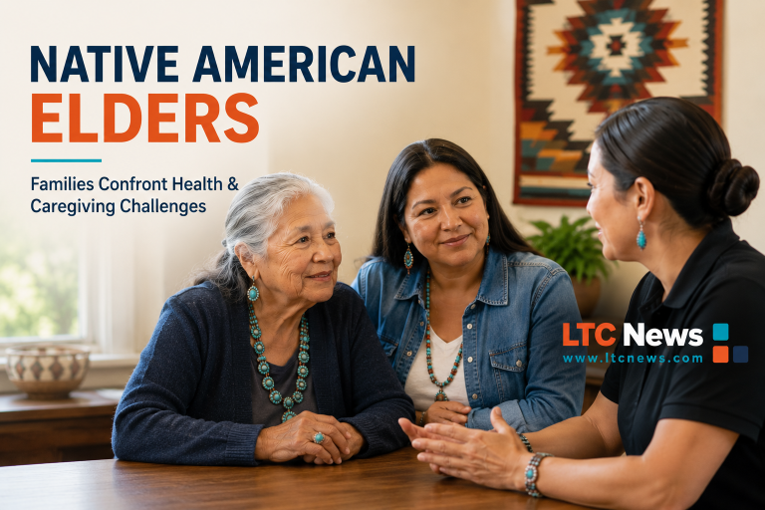
Native American elders hold a deeply respected role in their communities, serving as cultural guides, storytellers, language keepers, and family anchors. As they age, their need for long‑term care carries added significance, because protecting their well‑being also protects the traditions and knowledge they safeguard.

Linda Kople
Linda Kople is a freelance writer focused on caregiving, aging, health, wellness, long-term care, and retirement planning
Table of Contents
- The Chickasaw Nation: A National Model for Elder Support
- Aging Is About More Than Healthcare
- Health Challenges Can Increase Long-Term Care Needs
- Alzheimer's Disease Is Becoming a Growing Concern
- Long-Term Care Is About Daily Living
- Expert Perspective on Native Health and Aging
- Tribal Nations Are Expanding Elder Services
- Medicare Won't Pay for Most Long-Term Care
- Long-Term Care Insurance Can Help Preserve Family Traditions
- Resources for Native American Families
- Honoring the Past While Planning for the Future
You never want to imagine a parent or grandparent needing help with daily activities. Yet aging eventually changes every family. The elder who once cared for everyone else may one day need assistance getting dressed, managing medications, preparing meals, or coping with memory loss.
For Native American families, those changes often carry added meaning. Elders are the keepers of culture, tradition, language, and tribal identity. Ensuring they receive quality care while maintaining dignity, independence, and connection to their community becomes a responsibility shared across generations.
Whittney LaCroix, BSN, RN, chief nursing officer at Tribal Health in Scottsdale, Arizona, has spent her career working with elders across tribal communities. In an article in the American Nurse Journal, she points out that despite their many differences, tribal nations share one consistent value: deep respect for older members.
Elders are honored as teachers, valued for their wisdom and their knowledge of tribal history. LaCroix describes how this respect shows up in everyday life. When a local elder doesn't have an adult son or daughter nearby, someone in the community steps in to do the yardwork or make sure groceries and medication are taken care of.
Tribal communities have few skilled nursing home facilities or centers for physical and occupational therapy. In one case I observed, an elderly Native woman who needed therapy after a hip fracture was required to transfer to a facility off the reservation. She refused to go, concerned about the treatment she would receive there and the distance from her family. This is a common scenario because many long-term care facilities fail to realize the role family, kinship, and community play in Native healthcare decisions." — Whittney LaCroix, BSN, RN.
Family support has been necessary, and that informal network of care reflects something many Native families already know: looking after elders isn't an individual task. It's a community one.
If your parents, grandparents, or other tribal elders need help as they age, the challenge goes beyond finding healthcare. You want them to remain connected to family, community, traditions, language, and culture. For many Native American families, preserving those connections is just as important as receiving quality medical care.
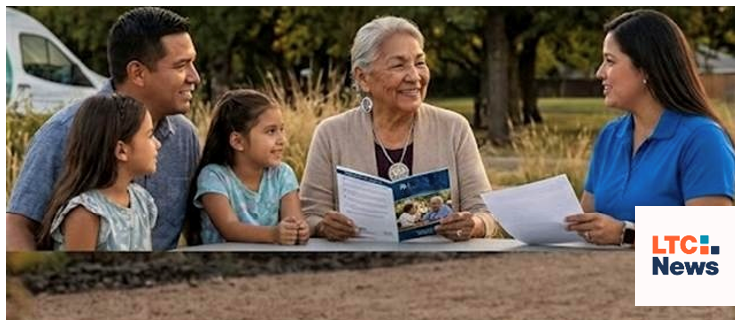
Tribal nations across the United States are responding with innovative programs designed to help elders remain healthy, independent, and connected to their communities. Among the most comprehensive examples is the Chickasaw Nation, which offers prescription assistance, assisted living support, transportation services, wellness programs, and other resources to support aging tribal citizens.
The Chickasaw Nation: A National Model for Elder Support
The Chickasaw Nation has developed one of the country's most comprehensive elder support systems.
- Prescription Drug Assistance
Affording medication is one of the most common worries among aging adults, and the Chickasaw Nation has built a program specifically to ease that burden. The Chickasaw Nation Refill Center provides prescription assistance to eligible members of federally recognized tribes, eligible spouses, dependents, and qualifying employees.
Approved participants may receive up to a 90-day supply of covered prescription medications delivered directly to their homes.
- Medicare Part D Assistance
Choosing a Medicare Part D plan can be confusing, even for people who feel confident managing their own finances. Dozens of plans, shifting formularies, and changing premiums make it easy to enroll in the wrong coverage and overpay for medications all year.
Eligible citizens evaluate Medicare Part D prescription drug plans and navigate enrollment. Citizens who are Medicare eligible, either by age or disability status, can work directly with a Patient Benefit Assistant to review available plans and find the option best suited to their needs. Assistants are also available to help with the application itself once eligibility requirements are met.
Applicants generally need a Chickasaw citizenship card, proof of a physical address, two years of income information, and a current medication list to get started. For citizens who already have a Part D plan, changes can only be made during open enrollment, which begins in October. Those who are Medicare eligible but don't yet have a plan can apply at any time, though the Chickasaw Nation encourages enrolling during the annual open enrollment period.
For elders juggling multiple prescriptions on a fixed income, this kind of unbiased, one-on-one guidance can prevent costly enrollment mistakes and ensure coverage actually matches their needs.
- Assisted Living Benefit Program
For many families, the cost of assisted living is the single biggest obstacle standing between an elder and the level of care they need. The Chickasaw Nation has built a direct financial benefit to help close that gap.
Eligible Chickasaw citizens who meet program requirements may receive up to $3,500 per month toward the cost of care in a state-licensed assisted living facility. The benefit is paid directly to the facility rather than to the individual, and the amount awarded is based on each applicant's documented need.
To qualify, applicants must be Chickasaw citizens age 60 or older with verified financial and medical need. The application process includes a citizenship ID number, proof of income, and a completed request form, and all applicants undergo an assessment to confirm both medical and financial eligibility before approval. Applications are mailed directly from the Chickasaw Nation's Long-Term Care office once the process begins.
The Chickasaw Nation describes its elders as "living treasures" and has built this benefit as part of a broader commitment to their health and well-being. For families facing the financial strain of assisted living costs, support like this can mean the difference between an elder receiving the consistent care they need and a family struggling to cover those costs alone.
- Senior Centers and Nutrition Programs
Social isolation can be just as damaging to an elder's health as any chronic medical condition, and consistent nutrition often slips when older adults live alone or struggle to cook for themselves. The Chickasaw Nation's senior centers address both needs under one roof.
Senior centers operated by the Nation provide:
- Congregate meals
- Home-delivered meals
- Health monitoring
- Educational programs
- Social activities
- Cultural engagement opportunities
Congregate breakfasts and lunches are served on-site for citizens who attend in person, while home-delivered lunches reach elders who are homebound within a center's service area. Beyond meals, the centers offer health screenings, wellness programs, cultural classes, and guest speakers, giving elders regular opportunities to stay engaged with both their health and their community.
Eligibility extends to Chickasaw citizens and their spouses age 60 and older, as well as younger Chickasaw citizens with disabilities who live with an eligible elder or in elder housing. Once approved, participants can begin attending congregate meals immediately, while home-delivered meals require an assessment to confirm need and service-area eligibility.
For elders who live alone, a senior center can become more than a meal stop. It is often the most consistent social connection in their week, and a place where early signs of declining health are more likely to be noticed and addressed.
- Transportation Services
Transportation assistance helps eligible elders access healthcare appointments and community services.
- Itiapela (Elder Help) Medical Alert Program
The Itiapela Program provides emergency medical alert assistance for eligible elders who are homebound, live alone, or are at increased risk of falls.
- Over-the-Counter Medication Assistance
Eligible Chickasaw citizens aged 60 and older may receive certain over-the-counter medications at no cost.
Aging Is About More Than Healthcare
If your parents, grandparents, or other tribal elders need help as they age, the challenge goes beyond finding healthcare. You want them to remain connected to family, community, traditions, language, and culture. For many Native American families, preserving those connections is just as important as receiving quality medical care.
Across Native communities, elders often serve as teachers, historians, spiritual guides, and keepers of tribal traditions. Their knowledge helps connect younger generations to their heritage and identity.
As life expectancy increases, more Native American families are facing difficult questions about caregiving, housing, healthcare, and long-term care planning. Those conversations can be challenging, but waiting until a health crisis occurs often limits available options.
Health Challenges Can Increase Long-Term Care Needs
American Indians and Alaska Natives continue to face significant health disparities that can affect quality of life and increase the likelihood of needing long-term care services later in life.
According to the Indian Health Service, American Indians and Alaska Natives experience disproportionately high rates of diabetes, chronic liver disease, chronic lower respiratory disease, injuries, and other serious health conditions compared with the general U.S. population.
Researchers have also documented continuing barriers to healthcare access, including provider shortages, transportation challenges, financial limitations, and long travel distances to specialty care.
These factors can contribute to higher rates of disability, chronic illness, and the eventual need for assistance with daily activities.
Alzheimer's Disease Is Becoming a Growing Concern
Memory disorders are affecting Native American communities just as they are affecting the rest of the Nation. According to the Alzheimer's Association 2026 Alzheimer's Disease Facts and Figures report, approximately 7.4 million Americans age 65 and older are living with Alzheimer's disease. That number is projected to grow to nearly 13.8 million by 2060.
Researchers note that chronic conditions common in Native populations—including diabetes, cardiovascular disease, and hypertension—are also associated with increased risks for cognitive decline and dementia. Memory loss often creates caregiving challenges that families may not be prepared to handle alone.
Long-Term Care Is About Daily Living
Many people mistakenly assume long-term care refers only to nursing homes. Long-term care includes assistance with everyday activities such as:
- Bathing
- Dressing
- Eating
- Toileting
- Mobility
- Continence
- Supervision due to memory impairment
According to the U.S. Department of Health and Human Services, 56% of Americans turning age 65 today will require long-term services and supports during their lifetime.
Access to home-and community-based services is crucial for tribal elders not only because it enables them to receive the care they need as they age, but also because it empowers them to fulfill their important role as elders in their communities.
Native Americans face this same risk while often encountering additional healthcare access challenges due to geography and workforce shortages.
Expert Perspective on Native Health and Aging
Dr. Donald Warne, MD, MPH, a nationally recognized Native American physician and co-director of the Johns Hopkins Center for Indigenous Health, has spent decades researching healthcare disparities affecting Native communities.
Warne's published research has highlighted the ongoing challenges Native Americans face in accessing healthcare, including workforce shortages, transportation barriers, chronic disease burdens, and limited healthcare infrastructure in many tribal areas.
Improving access to culturally appropriate healthcare and long-term care services is critical to helping Native elders maintain both their health and their connections to family, culture, and community.
Tribal Nations Are Expanding Elder Services
Many tribal governments, including the Chickasaw Nation, have developed programs to support older adults. Examples include:
- Senior nutrition programs
- Transportation services
- Home-delivered meals
- Adult day programs
- Home and community-based services
- Caregiver support programs
- Wellness and fitness initiatives
- Assisted living assistance
Tribal governments, including the Chickasaw Nation, Cherokee Nation, Navajo Nation, Choctaw Nation, and many others, have expanded elder-focused services in recent years to address growing needs among aging tribal citizens.
Medicare Won't Pay for Most Long-Term Care
One of the most common misconceptions is that Medicare will cover long-term care expenses. Medicare and Medicare Supplement insurance cover only limited, short-term skilled care under specific circumstances.
They do not pay for ongoing custodial care, including assistance with bathing, dressing, eating, supervision due to dementia, or other daily living activities.
Long-Term Care Insurance Can Help Preserve Family Traditions
Many Native American families prefer to care for loved ones at home whenever possible. However, caregiving responsibilities can become overwhelming.
For Native Americans with assets to protect, Long-Term Care Insurance can provide additional independence, income, and asset protection from the increasing costs of aging and long-term care.
Long-Term Care Insurance helps pay for:
- In-home care
- Adult day care
- Assisted living
- Memory care
- Nursing home care
Benefits can help families hire professional caregivers, allowing loved ones to remain family members rather than become full-time caregivers.
Most people who purchase LTC Insurance do so between the ages of 47 and 67 while they are still healthy enough to qualify.
👉 Learn More: Long-Term Care Insurance Learning Center
A policy can help protect retirement savings, reduce pressure on family caregivers, and provide greater flexibility when care becomes necessary.
Resources for Native American Families
LTC News provides resources that can help families prepare for aging and long-term care:
- LTC News Cost of Long-Term Care Services Calculator
- LTC News Caregiver Directory
- Free LTC Insurance claims assistance through LTC News and Amada Senior Care
Honoring the Past While Planning for the Future
Native American elders carry more than memories. They carry language, ceremony, history, and identity that no institution can replace. Programs like those offered through the Chickasaw Nation show what's possible when a community commits to caring for its elders without asking them to give up who they are.
But tribal programs alone cannot meet every need. Long-term care is expensive, eligibility requirements vary, and not every family will qualify for every benefit. That is why planning ahead matters as much in Native American communities as anywhere else in the country.
If you have a parent, grandparent, or elder in your life, the time to start that conversation is now, not after a health crisis forces the issue. Ask what kind of care they would want. Learn what tribal, state, and federal programs they may qualify for. Look into LTC Insurance, if appropriate, or other resources that can ease the financial burden on your family.
What would it mean for your family to know, today, that your elders' wishes, culture, and dignity will be protected no matter what the future holds?
Frequently Asked Questions
Does Medicare pay for long-term care?
No. Medicare and Medicare Supplement insurance generally cover only short-term skilled care under specific circumstances, such as recovery after a hospitalization. Medicare does not pay for ongoing custodial care, including assistance with daily living activities or long-term supervision for dementia.
Do Native American elders receive long-term care through the Indian Health Service?
The Indian Health Service (IHS) provides healthcare services but generally does not pay for ongoing custodial long-term care. Long-term care includes help with activities of daily living such as bathing, dressing, eating, mobility, and supervision due to memory impairment. Families often rely on tribal programs, Medicaid, personal savings, or Long-Term Care Insurance to help address these needs.
What services does the Chickasaw Nation provide for elders?
The Chickasaw Nation offers a broad range of elder services, including prescription drug assistance, Medicare Part D counseling, assisted living financial support, senior centers, congregate and home-delivered meals, transportation services, medical alert programs, wellness activities, and certain over-the-counter medication assistance. These programs are designed to help elders remain independent and connected to their communities.
Is Alzheimer's disease a growing concern in Native communities?
Yes. Like the rest of the United States, Native American communities are experiencing increasing rates of Alzheimer's disease and other forms of dementia. Chronic conditions such as diabetes, hypertension, and cardiovascular disease—which are more prevalent in many Native populations—can also increase the risk of cognitive decline.
What is the Chickasaw Nation Refill Center?
The Chickasaw Nation Refill Center helps eligible participants obtain covered prescription medications, often with medications delivered directly to their homes. The program is available to eligible members of federally recognized tribes, qualifying spouses, dependents, and certain employees.
Can Native American elders get help paying for assisted living?
Some tribal nations offer financial assistance programs. For example, the Chickasaw Nation's Assisted Living Benefit Program may provide up to $3,500 per month toward assisted living costs for eligible citizens who meet age, financial, and medical requirements.
Why are long-term care issues becoming more important in Native American communities?
Native Americans are living longer than previous generations, which means more families are facing age-related health challenges such as chronic illness, mobility limitations, dementia, and the need for daily assistance. At the same time, many tribal communities face healthcare workforce shortages, transportation barriers, and limited access to long-term care services, making planning increasingly important.
What health conditions commonly affect Native American elders?
American Indians and Alaska Natives experience higher rates of several chronic health conditions, including diabetes, heart disease, chronic liver disease, respiratory illness, and stroke. These conditions can increase the likelihood of needing long-term care services later in life.
What happens when family caregivers can no longer provide care?
Families may need to seek professional support through home care agencies, adult day care programs, assisted living communities, memory care facilities, or nursing homes. Having a plan in place before a crisis occurs gives families more choices and helps ensure an elder's wishes are respected.
Why do many Native American elders prefer to age in their own communities?
For many tribal elders, remaining close to family, culture, language, traditions, and community is essential to their quality of life. Aging in place allows elders to continue serving as teachers, mentors, storytellers, and cultural leaders while maintaining strong family and tribal connections.

Sponsored