Sudden Behavior Changes in Older Adults: What Families Should Know
About This Article
Sudden changes in confusion, mood, sleep, appetite, or personality aren’t considered a normal part of aging. Experts say these shifts can signal delirium, infection, medication side effects, depression, or untreated pain. In some cases, they may also point to abuse or neglect, underscoring the need for quick evaluation and support.
Table of Contents
- When Sudden Confusion Is an Emergency
- Confusion or Memory Problems Could Be Delirium
- Delirium Isn't Always Obvious
- Someone With Dementia Can Also Develop Delirium
- Delirium vs. Dementia: What's the Difference?
- Withdrawal From Activities They Used to Enjoy
- New Anxiety, Fear, Irritability or Emotional Outbursts
- When Behavioral Changes Raise Concerns About Abuse or Neglect
- Don't Overlook Pain
- Medications Can Affect Behavior and Thinking
- Changes in Sleep, Appetite, Hygiene or Energy
- Keep Track of What You're Noticing
- What Should Families Do When Behavior Changes?
- Key Statistics at a Glance
- Pay Attention When Someone You Know Suddenly Seems Different
You know your mom or dad. So, when they suddenly seem confused, frightened, withdrawn, or not like themselves, trust what you're noticing. A noticeable behavior change isn't “just aging.” It can signal an illness, medication problem, pain, depression, cognitive impairment, or even abuse or neglect.
Some causes are treatable. Others can be medical emergencies. The important thing is recognizing when a change deserves attention. Here's what families should watch for.
When Sudden Confusion Is an Emergency
An abrupt change in an older adult's mental status deserves prompt attention. Call 911 when sudden confusion occurs with signs of a possible medical emergency, including:
- Facial drooping or weakness, especially on one side of the body
- Difficulty speaking or understanding speech
- A severe or unusual headache
- Loss of consciousness
- Difficulty breathing or chest pain
- A seizure
- A significant fall or head injury
- An inability to wake or remain awake
Even without these symptoms, report new, unexplained confusion promptly to a physician or other health care professional. Don't assume a dramatic change in thinking or behavior is simply part of getting older.
Confusion or Memory Problems Could Be Delirium
An older adult may abruptly have trouble remembering where they are, following a conversation, recognizing familiar people, or completing tasks they normally handle without difficulty. The cause may be delirium, a disturbance in thinking and awareness that develops quickly.
The National Institute on Aging notes that cognitive problems in older adults can have potentially reversible causes, including medication side effects, metabolic or endocrine changes, delirium, and untreated depression. Illness, infection, dehydration and other medical problems can also contribute to an abrupt change in an older person's mental status.
Delirium Isn't Always Obvious
Families sometimes expect delirium to make someone obviously confused, restless or agitated. It can look very different. A person with hypoactive delirium may become unusually quiet, sleepy, withdrawn, or less responsive.
That presentation can be easier to miss than agitation because the person may simply appear tired or less interested in what's happening around them. Unusual sleepiness or withdrawal deserves attention, too.
Someone With Dementia Can Also Develop Delirium
Dementia doesn't rule out delirium. A person with Alzheimer's disease or another dementia can experience delirium on top of an existing cognitive impairment. A rapid worsening of confusion, alertness, or behavior shouldn't automatically be attributed to dementia.
Look for a change from that person's usual baseline. If Mom typically has memory problems but now can't stay awake, becomes much more confused, or behaves very differently than the day before, something else may be happening.
Delirium vs. Dementia: What's the Difference?
One of the biggest differences is how quickly the change occurs. Delirium typically develops rapidly, sometimes over hours or days. Symptoms can also fluctuate during the day. Dementia generally develops gradually, with changes in memory, reasoning, and other cognitive abilities progressing over months or years.
The distinction matters because some causes of cognitive problems can be temporary and reversible with proper treatment, according to the National Institute on Aging. A rapid change in confusion shouldn't be dismissed as normal aging.
Withdrawal From Activities They Used to Enjoy
Maybe Dad always met friends for breakfast but no longer wants to leave the house. Perhaps an older loved one stops attending church, playing cards, or participating in a hobby they enjoyed for years.
Don't automatically assume they've become less social with age. Pain or declining mobility may make activities difficult. Hearing or vision loss can make social situations frustrating. Cognitive changes can make familiar activities confusing. Grief, loneliness, and depression can also lead someone to withdraw.
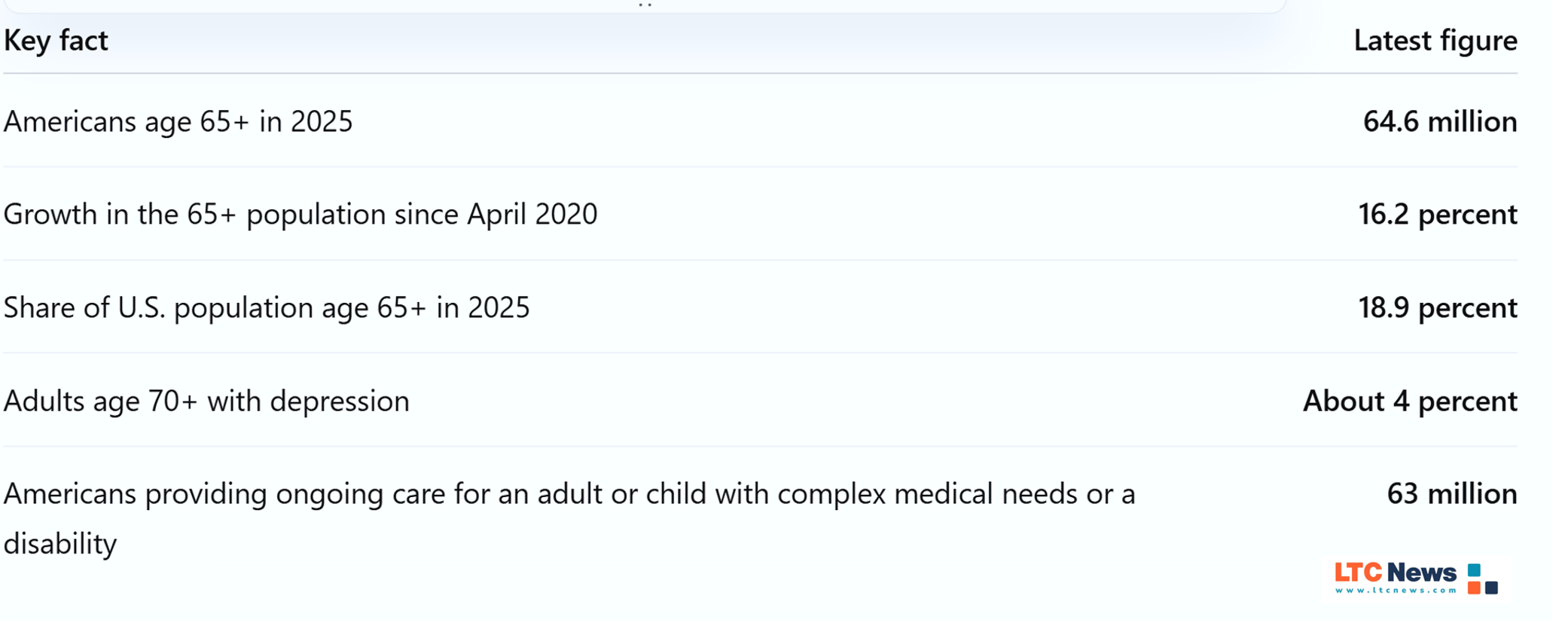
The Centers for Disease Control and Prevention (CDC) says approximately 4 percent of adults age 70 and older have depression. The CDC emphasizes that depression isn't a normal part of aging and is treatable. Risk can be higher among older adults dealing with illness and significant life changes.
Rather than asking only, “Why don't you go out anymore?” try to find out what changed. A question such as, “I've noticed you haven't been going out as much lately. Is something making it harder?” may reveal a physical, emotional, or cognitive problem.
New Anxiety, Fear, Irritability or Emotional Outbursts
A normally even-tempered older adult who becomes anxious, fearful, suspicious, irritable, or unusually emotional may also be communicating that something is wrong. Possible causes include pain, medication effects, depression, anxiety, cognitive impairment, illness, or difficulty understanding what's happening around them.
But don't overlook the person's environment. New fear or agitation that consistently appears around a particular caregiver, family member, facility, or situation deserves attention.
When Behavioral Changes Raise Concerns About Abuse or Neglect
Behavioral changes alone don't prove that someone is being mistreated. However, unexplained fear, withdrawal, agitation, or depression can be reasons to look more closely, particularly when the behavior appears around a specific person or setting.
Gary S. Lesser, Managing Partner at Lesser, Landy, Smith & Siegel, PLLC, tells LTC News that when the elderly are abused in a nursing home, emotional changes may appear alongside unexplained bruises, withdrawal, or reluctance to be alone with a particular person. Lesser says that families trust long-term care facilities to treat their loved ones with compassion, respect, and dignity. However, some facilities may fail to meet those responsibilities.
Long-term care works best when the family stays part of the care team. In our experience, the residents who did best had someone checking in regularly, comparing what they saw with what the care plan promised, and pushing for answers when the two did not match." — Gary S. Lesser, Managing Partner at Lesser, Landy, Smith & Siegel, PLLC.
Lesser recommends taking unexplained behavioral changes in a loved one seriously, asking gentle but direct questions, and looking for patterns. When abuse or neglect is suspected, seeking outside help can be an important step in protecting the older adult.
Other concerns can include:
- Unexplained bruises, burns or other injuries
- Poor hygiene or dirty clothing
- Untreated medical needs
- Unsafe or unsanitary living conditions
- Missing medications, glasses, hearing aids or mobility equipment
- Unexpected financial losses or unpaid bills
- Unexpected isolation from family or friends
- An older adult appearing frightened around a particular person
Families don't need proof of abuse before asking for help. If someone is in immediate danger, call 911. If the danger isn't immediate but you suspect abuse, neglect, or exploitation, contact Adult Protective Services in the state where the older adult lives. The federal Eldercare Locator at 1-800-677-1116 can connect families with local agencies and resources.
A Long-Term Care Ombudsman can also help with complaints involving nursing homes and, depending on the state and program, other residential care settings. You may also want to seek an attorney to protect your loved one's rights.
Don't Overlook Pain
An older adult may not always tell you, “I'm in pain.” People with dementia or other communication difficulties may instead express discomfort through changes in behavior.
Watch for new:
- Agitation or irritability
- Withdrawal
- Poor sleep
- Reduced appetite
- Resistance to bathing or dressing
- Reluctance to walk or move
- Grimacing or guarding part of the body
Behavioral changes can provide important clues for physicians, nurses, therapists, care teams, and family caregivers trying to determine what has changed.
Medications Can Affect Behavior and Thinking
Older adults often take several prescription drugs along with over-the-counter medications, vitamins and supplements. That doesn't necessarily mean they are taking too many medications. Multiple medications may be medically necessary. However, polypharmacy has become more common, especially in older adults.
Bonnie Sohn, M.D., is a physician in Community Internal Medicine at Mayo Family Clinic Northeast in Rochester, Minnesota. She says that polypharmacy is taking five or more medications that include prescription, over-the-counter, or bought-online supplements, vitamins, minerals, herbals, traditional and complementary medications, all combined.
In clinical practice, it can apply when a person is taking a medication with unclear or inappropriate reason, number, dose, frequency, duration, and even timing. In the United States alone, over 50% of adults 65 years and older have polypharmacy." — Bonnie Sohn, M.D.
Dr. Sohn notes that an adverse drug event is sometimes erroneously perceived as a new medical condition, and another medication is started, which leads to a new side effect and the domino effect ensues.
For an older loved one, consider medication side effects and interactions when someone's behavior, alertness, or cognitive abilities change unexpectedly. The National Institute on Aging advises older adults to discuss medications with their healthcare providers because some drugs and combinations can affect brain function and cognition.
Keep an updated medication list that includes:
- Prescription drugs
- Over-the-counter medications
- Vitamins
- Herbal products
- Dietary supplements
Bring the complete list to medical appointments and medication reviews. A physician or pharmacist can review it for potential side effects, interactions, or duplicate therapies and identify medications that may warrant further discussion. Be sure a loved one doesn't stop a prescribed medication without consulting the appropriate medical professional.
Changes in Sleep, Appetite, Hygiene or Energy
Not every warning sign involves mood or memory. Sometimes the first indication that something is wrong is a change in an everyday routine.
Pay attention if an older adult:
- Eats or drinks significantly less
- Sleeps much more or less than usual
- Stops bathing or changing clothes
- Has trouble managing medications
- Becomes unusually tired
- Stops preparing meals
- Neglects household responsibilities they previously managed
- Begins refusing assistance they previously accepted
The explanation could involve illness, pain, depression, cognitive problems, medication effects, or another health issue. Changes in everyday habits can also signal early that someone is having difficulty staying independent.
Keep Track of What You're Noticing
One of the most useful things you can do is document changes as they occur. Instead of telling a doctor, “Dad just hasn't been himself,” provide specific observations.
Write down:
- When the change began
- Whether it appeared abruptly or gradually
- How often it happens
- What time of day it occurs
- Any recent illnesses or falls
- Recent medication or dosage changes
- Changes in eating, drinking or sleeping
- New problems with walking or balance
- Whether the behavior occurs around a particular person or in a particular setting
A simple timeline can reveal patterns that might otherwise be missed. For example, confusion might consistently appear after a medication is taken. Anxiety could have begun after a new caregiver arrived. Excessive sleeping could have started shortly after an illness.
Documentation can become especially important when abuse or neglect is suspected. Dates, observations, injuries, and other specific details may help health professionals or investigators understand what has occurred.
What Should Families Do When Behavior Changes?
When a behavioral or cognitive change isn't an immediate emergency, contact your loved one's doctor and describe specifically what you've noticed. Explain when the change began, whether it developed abruptly or gradually, and whether there have been recent illnesses, falls, medication changes, or changes in eating, drinking, sleeping, walking, or balance.
Bring an updated medication list and the timeline of changes you've documented. These details can help the health care provider identify possible causes and determine whether additional evaluation is needed.
If your loved one can no longer live safely and independently, it may be time to consider professional long-term care services at home or in an appropriate residential setting.
👉 Use the LTC News Caregiver Directory to search for quality caregivers and long-term care facilities. If your loved one has Long-Term Care Insurance, get free help with processing the insurance claim. LTC News partners with Amada Senior Care to provide free claim support with no cost or obligation — File a Long-Term Care Insurance Claim.
If your loved one doesn't have an LTC policy but they have a life insurance policy, you could sell it for cash now to cover care costs.
Key Statistics at a Glance
Pay Attention When Someone You Know Suddenly Seems Different
A behavior change isn't a diagnosis, but it can be an important warning sign. Pay attention to what changed, when it started, and how quickly it happened. Compare what you're seeing with the person's normal behavior and abilities.
Share specific observations with their healthcare provider and seek immediate help when symptoms suggest an emergency. Recognizing changes early can uncover treatable problems, protect an older adult from harm, and help families arrange appropriate care before a crisis develops.
Before age and health issues develop, include a long-term care plan in your overall retirement strategy.
Frequently Asked Questions
Can medications cause behavior or memory changes in older adults?
Yes. Medication side effects and interactions can affect alertness, behavior and cognitive function. Families should keep an updated list of prescription drugs, over-the-counter medications, vitamins, herbal products and dietary supplements and bring it to medical appointments. Don't stop a prescribed medication without consulting the appropriate medical professional.
When is sudden confusion in an older adult an emergency?
Call 911 when sudden confusion occurs with symptoms such as facial drooping, one-sided weakness, difficulty speaking, a severe or unusual headache, loss of consciousness, breathing difficulty, chest pain, a seizure or an inability to wake or stay awake. Confusion following a significant fall or head injury also requires urgent attention. Even without these symptoms, new and unexplained confusion should be reported promptly to a health care professional.
Are sudden behavior changes a normal part of aging?
No. While aging can bring gradual changes in memory, sleep and daily routines, an abrupt or significant change in behavior shouldn't automatically be blamed on age. New confusion, withdrawal, fear, agitation, unusual sleepiness or changes in appetite can signal an illness, medication problem, pain, depression, delirium or another issue that deserves attention.
What is the difference between delirium and dementia?
Delirium usually develops rapidly, often over hours or days, and symptoms may fluctuate throughout the day. Dementia generally causes a gradual decline in memory, reasoning and other cognitive abilities over months or years. Delirium can have an underlying medical cause that may be treatable, so a rapid change in mental status shouldn't be dismissed as dementia or normal aging.
What should I document if an older loved one's behavior changes?
Write down when the change began, whether it developed abruptly or gradually, how often it occurs and what was happening around the time it appeared. Note recent illnesses, falls, medication changes and changes in eating, drinking, sleeping, walking or balance. Specific observations can help a health care professional identify patterns and possible causes.
Can behavioral changes be a sign of elder abuse or neglect?
They can be a warning sign, although behavioral changes alone don't prove abuse or neglect. Unexplained fear, withdrawal or agitation — particularly around a specific caregiver or in a particular setting — deserves attention. Other warning signs can include unexplained injuries, poor hygiene, untreated medical needs, missing medications or assistive devices, financial losses and unexpected isolation from family or friends.
If someone is in immediate danger, call 911. Otherwise, Adult Protective Services can investigate concerns about abuse, neglect or exploitation. The federal Eldercare Locator at 1-800-677-1116 can help families find local resources. A Long-Term Care Ombudsman can also assist with certain complaints involving nursing homes and other residential care settings.
Can delirium make an older adult quiet or sleepy instead of agitated?
Yes. Hypoactive delirium can cause an older adult to become unusually quiet, sleepy, withdrawn or less responsive. Because the person isn't agitated or disruptive, this type of delirium can be easier for families and caregivers to miss.
Can someone who already has dementia develop delirium?
Yes. Alzheimer's disease or another form of dementia doesn't prevent someone from developing delirium. Watch for a noticeable change from the person's normal baseline. Someone with existing memory problems who suddenly becomes much more confused, unusually sleepy, withdrawn or less responsive may have another medical problem that needs evaluation.
What if behavioral or cognitive changes make it unsafe for someone to live independently?
Talk with the person's doctor and consider whether additional supervision or long-term care services are needed. Depending on the person's needs, support may include in-home care, adult day care, assisted living, memory care or nursing home care. Families should also check whether the person owns Long-Term Care Insurance and review the policy's benefit requirements.

Sponsored