How Skilled Nursing Facilities Use Staff Training to Improve Resident Safety in 2026
About This Article
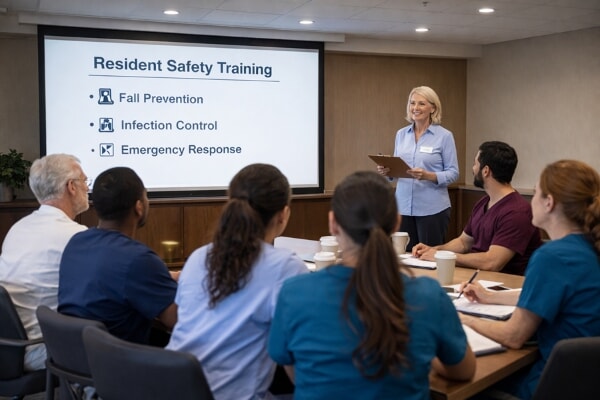
You expect a skilled nursing or assisted living facility to keep your loved one safe. In 2026, the strongest predictor of safety is not the building or technology, but how well staff are trained, supported, and prepared to respond to complex care needs.

Beth Rush
Beth Rush writes about health and wellness to help readers learn how to make healthier lifestyle choices.
You trust an assisted living, memory care, or skilled nursing facility with something priceless: safety, dignity, and daily care for someone you love. As residents enter facilities older, frailer, and with more chronic conditions than ever before, preventing harm has become both a public health priority and a defining measure of quality.
In 2026, the facilities delivering the safest outcomes share one trait. They invest heavily and continuously in staff training.
If you are searching for a long-term care facility or in-home caregiver for a loved one, use the free LTC News Caregiver Directory. It is the most comprehensive database available, allowing you to search for quality long-term care facilities by zip code - www.ltcnews.com/care
If you manage a long-term care facility or home health agency, be sure to claim your free listing on the LTC News Caregiver Directory and/or upgrade the listing to enhance visibility and highlight your staff and services through the LTC News Directory Business Portal.
Why Ongoing Staff Training Matters More Than Ever
Training has always been part of long-term care facility operations. Today, it is foundational to resident safety. More than 1 million Americans live in skilled nursing facilities, with many more in assisted living and memory care facilities. Many residents have complex medical needs that require constant monitoring, coordination, and quick decision-making.
It’s more productive and cost-effective to have proactive, preventive measures in place to get and keep staff up to speed on key issues, changes, or new developments that they hadn’t considered. This may be because they are outside of their traditional box or comfort zone. — Cathy Ciolek, PT, DPT, FAPTA, FNAP, consultant and project manager for the American Health Care Association’s National Infection Prevention Forum, quoted in Provider Magazine.
Consistent, high-quality training helps facilities:
- Keep pace with evolving care standards: Ongoing education ensures staff understand updated medication protocols, chronic disease management, and new clinical guidelines.
- Reduce preventable errors: Standardized training improves communication, reinforces protocols, and lowers the risk of mistakes during routine and high-stress situations.
- Build confidence during emergencies: Well-trained staff respond faster and more decisively to falls, sudden illness, or changes in condition.
Training also helps caregivers recognize subtle warning signs. A change in appetite, confusion, or mobility can signal a serious decline. Catching those changes early often prevents hospitalizations and medical crises.
From a financial standpoint, training is also risk management. Preventable injuries, regulatory violations, and lawsuits cost far more than proactive education.
Training as a Strategy for Quality and Financial Stability
Forward-thinking skilled nursing and long-term care facilities no longer treat training as a one-time expense. They view it as an investment tied directly to quality outcomes and reimbursement.
Consider the national average readmission rate of 22.5%, which contributes to significant financial losses for facilities. These hospital readmissions remain a major challenge for post-acute care providers. Poor transitions, missed symptoms, and inconsistent follow-up often send residents back to the hospital within weeks.
Targeted training helps staff:
- Manage chronic conditions more effectively
- Identify early signs of deterioration
- Communicate clearly during care transitions
Many facilities now use short, focused training sessions during shift huddles, along with mentorship programs that pair experienced staff with new hires. This approach reinforces skills without pulling caregivers away from residents for long periods.
Addressing Workforce Turnover and Its Safety Impact
Staff turnover remains one of the biggest threats to resident safety. High turnover increases reliance on temporary agency staff, disrupts continuity of care, and erodes institutional knowledge.
For residents, especially those with dementia, the loss of familiar caregivers can cause distress and confusion.
Training plays a critical role in retention. When facilities invest in employee development and create clear paths for advancement, staff are more likely to stay. A stable, experienced team is better equipped to notice subtle changes, follow protocols consistently, and prevent avoidable harm.
Retention is not just a staffing issue. It is a safety issue.
Core Training Areas That Protect Residents
Effective training programs focus on three critical areas.
Advanced Clinical and Emergency Skills
Modern training goes beyond basic caregiving tasks. Staff receive instruction in:
- Post-stroke and neurological care
- Diabetes management
- Respiratory support and oxygen monitoring
- Recognizing signs of sepsis or acute decline
Fall prevention remains a top priority. Falls are a leading cause of injury and death among older adults. Training helps staff identify risk factors, use mobility aids correctly, and respond safely when a fall occurs.
Infection Control in a Post-Pandemic Environment
The COVID-19 pandemic permanently changed expectations around infection prevention in long-term care.
Ongoing training reinforces:
- Proper hand hygiene and oral care
- Correct use of personal protective equipment
- Safe handling of linens and medical waste
- Antibiotic stewardship to reduce drug-resistant infections
Infection control is no longer a seasonal concern. It is a daily responsibility tied directly to resident survival.
Person-Centered Communication and Dignity
Safety includes emotional and psychological well-being. Training emphasizes respectful communication, privacy, and autonomy. Staff learn how to involve residents in care decisions, listen actively, and adapt communication for those with cognitive impairment.
Dementia-specific training helps caregivers use appropriate language, reduce agitation, and preserve dignity, even as cognitive abilities decline.
How Technology is Changing Staff Training
Technology now plays a growing role in education. Virtual reality simulations allow staff to experience sensory impairments, such as vision loss or balance problems, helping them better understand resident behavior.
Online learning platforms offer flexible access to training and allow administrators to track competencies across departments.
Facilities also use performance data and incident reports to tailor education. If medication errors increase on a specific unit, training can be targeted rather than broad and unfocused.
This personalized approach makes education more effective and less disruptive.
What Training Says About a Facility’s Quality
In 2026, the safest skilled nursing, assisted living, and memory care facilities are not defined by luxury amenities or their marketing claims. They are defined by how well their staff are trained, supported, and retained.
Strong training programs lead to:
- Fewer falls and infections
- Reduced hospital readmissions
- More confident and engaged caregivers
- Better outcomes for residents and families
When you evaluate a skilled nursing facility, ask about staff education. How often is training updated? How are new hires supported? How does the facility address turnover?
When you narrow down options from the LTC News Caregiver Directory, be sure to ask these questions before you visit them. Those answers reveal far more about safety than any brochure ever could.
If your loved one has Long-Term Care Insurance, the guaranteed tax-free benefits will help you access the best-quality facility options. When you tell the admissions director your loved one has an LTC policy, your loved one will often go to the top of the list.
Need help filing a claim with a loved one's LTC policy? LTC News partners with Amada Senior Care to provide free claim support with no cost or obligation. Their trained experts can walk you through the entire process and help you access benefits quickly and correctly — File a Long-Term Care Insurance Claim.
Remember, most people acquire Long-Term Care Insurance before they retire, often between the ages of 47 and 67. Be sure to use the resources available on LTC News to help you find detailed information on long-term care solutions, including accurate quotes.

Sponsored