Pentagon UFO Files Stir Anxiety, Wonder Among Older Adults
About This Article
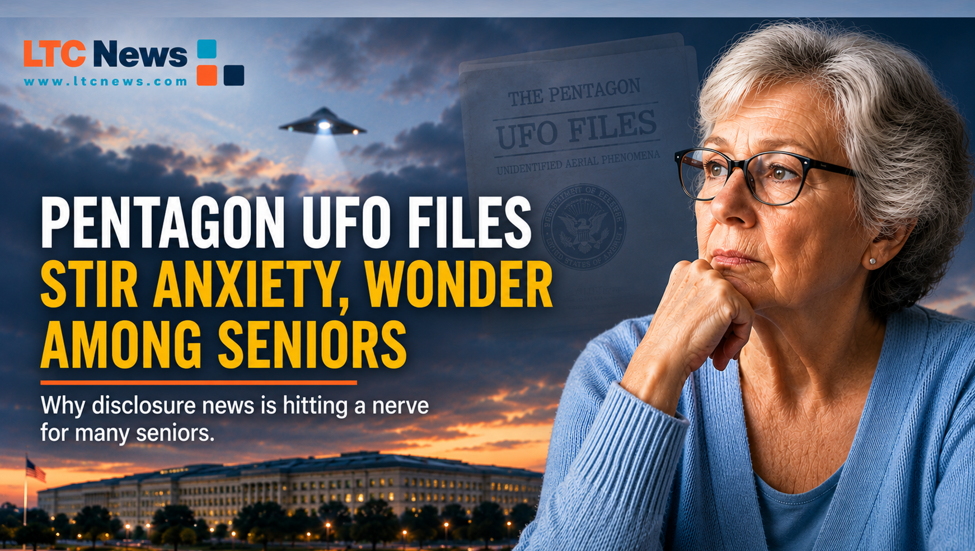
The Pentagon’s May 2026 release of UFO and unidentified aerial phenomena (UAP) files may affect older adults differently than younger generations, as many seniors grew up during the Cold War era, when fears of government secrecy, nuclear war, and flying saucer sightings were widespread.

James Kelly
LTC News staff writer specializing in long-term care and aging.
Table of Contents
- The Government Did Not Confirm Alien Life, Yet
- Why Some Older Adults React More Strongly
- Experts Say Emotional Responses Will Vary
- Existential Questions Can Intensify Later in Life
- How Families Should Talk with Older Adults About the Disclosure
- How Older Adults Might React if Broader Disclosure Ever Occurs
- Why Emotional Health Matters as You Age
- Curiosity and Intellectual Engagement Can Also Be Healthy
- Spiritual Questions Are Normal
- Long-Term Care Planning Still Matters More Than UFO Headlines
- Anxious or Validated - Discuss Events with Older Loved Ones
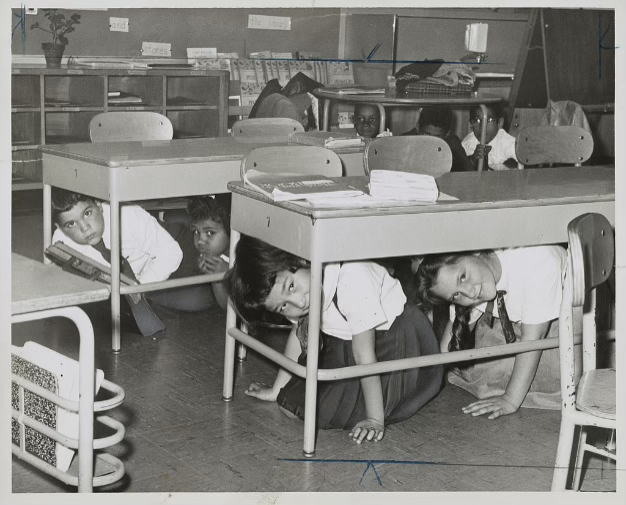
You probably remember an era when Americans practiced duck-and-cover drills in school, worried about nuclear war, and debated whether the government was hiding information about mysterious objects in the sky. For many older adults, the Pentagon’s May 2026 release of UFO-related files does not feel like entertainment news. It feels personal.
The Pentagon, under a directive from President Donald Trump, released dozens of previously undisclosed government files involving unidentified aerial phenomena (UAPs), the government’s official term for unexplained sightings or objects observed in the sky.
The release includes military observations, eyewitness accounts, photographs, and government records spanning decades. For many Americans, the disclosure is fascinating. For some older adults, however, it may also stir anxiety, validation, confusion, or emotional distress.
The Government Did Not Confirm Alien Life, Yet
Experts stress an important point: the government has not confirmed the existence of extraterrestrial life. At least, not yet. The released files document unexplained aerial phenomena observed by military personnel and others. Some incidents remain unresolved. Others may eventually be linked to classified military technology, surveillance systems, atmospheric conditions, or optical effects. Others are very hard to explain.
That distinction matters, particularly for older adults already coping with anxiety, isolation, cognitive decline, or fear-driven media consumption.
Why Some Older Adults React More Strongly
Older Americans grew up during a period shaped by Cold War fears, government secrecy, and intense public fascination with flying saucers. Many remember bomb shelters, nuclear anxiety, the Space Race, and decades of speculation surrounding Roswell and other unexplained sightings.
For some seniors, the disclosure feels validating after decades of believing authorities withheld information. Psychologists note that validation after years of ridicule or dismissal can trigger complicated emotional reactions, including relief, anger, anxiety, or renewed fear.
Continuous media coverage can also become overwhelming. Older adults already struggling with dementia, depression, anxiety disorders, or social isolation may find the nonstop cycle of cable news and social media speculation emotionally exhausting.
TV news networks, radio, podcasts, and many online sources are giving the release of the UFO files substantial attention. The reason is simple: it is the first major official release of this type of information, and it adds credibility to stories, sightings, and government speculation that people have heard about for decades.

The emotional impact of nonstop media coverage should not be underestimated. Americans have seen this before. In 1938, "The War of the Worlds" radio broadcast triggered panic among some listeners who believed the fictional alien invasion described during the broadcast was actually happening.
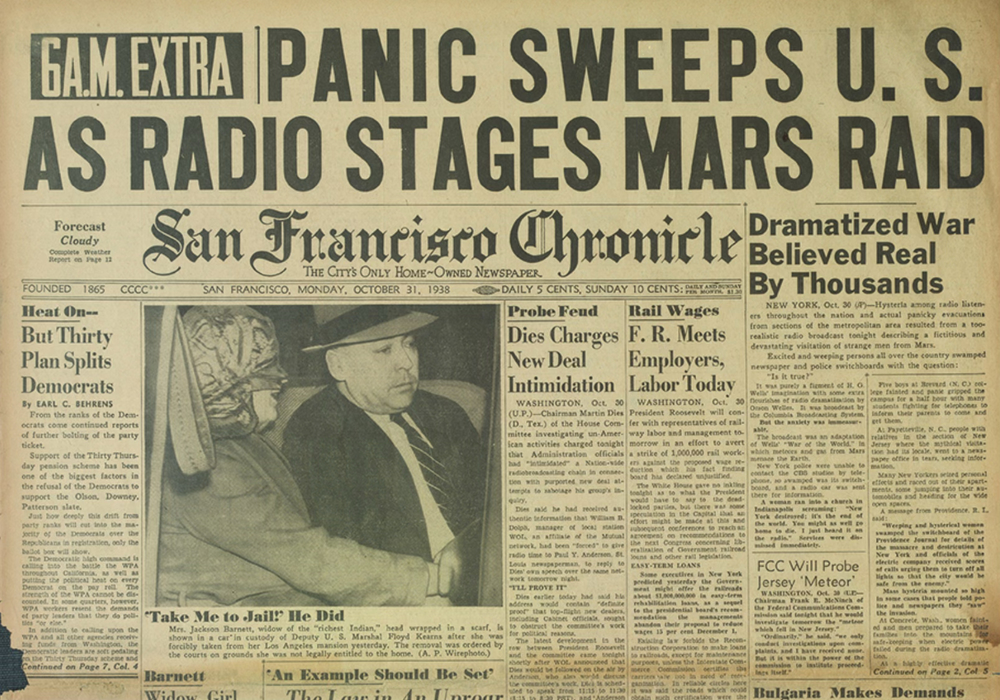
While historians continue to debate how widespread the panic truly was, the event became a lasting example of how emotionally charged media can influence public perception, fear, and behavior during periods of uncertainty. For older adults already coping with anxiety, cognitive decline, isolation, or memory impairment, repetitive modern coverage surrounding UFO disclosures could similarly become emotionally overwhelming if not balanced with calm discussion and factual context.
Popular culture has fueled public fascination with UFOs, extraterrestrials, and government secrecy for generations. Older adults grew up during an era when science fiction movies, radio dramas, and television shows often blurred the line between entertainment and fear of the unknown.
TV programs like The X-Files, The Twilight Zone, and Unsolved Mysteries helped shape decades of public curiosity about unexplained phenomena and conspiracy theories.

“Death Ship” from TV’s The Twilight Zone”
Hollywood also reinforced those themes through blockbuster films involving alien invasions, government cover-ups, and humanity confronting unknown threats. Both versions of "War of the Worlds" left a lasting imprint on popular culture. The 1953 version reflected Cold War fears surrounding invasion and nuclear annihilation, while the 2005 adaptation starring Tom Cruise emphasized panic, social breakdown, and family survival in the face of overwhelming uncertainty.

“1953 movie, The “War of the Worlds”
Other films, including Close Encounters of the Third Kind, E.T. the Extra-Terrestrial, and Independence Day, further embedded extraterrestrial themes into American culture. For many older adults, decades of exposure to those stories shaped how they emotionally interpret modern UFO disclosures today.
Family caregivers should pay close attention to emotionally vulnerable older loved ones. Seniors with dementia or mild cognitive impairment may struggle separating speculation from verified information, especially when repeatedly exposed to emotionally charged media coverage.
Experts Say Emotional Responses Will Vary
Psychologists studying public reactions to disclosure events say there is no single “normal” response. Some people react with skepticism or indifference. Others experience curiosity, fascination, anxiety, or existential concern.
Jennice Vilhauer, Ph.D., former Director of Emory University's Adult Outpatient Psychotherapy Program, wrote in a February 2026 analysis published in Psychology Today that emotionally vulnerable individuals may struggle more with uncertainty surrounding disclosure because major shifts in worldview can be difficult to process.
Human beings are resilient and while the majority of people adapt to new information as it arises, there are more vulnerable populations that need to be considered. Individuals already struggling with anxiety, distrust, trauma or social instability may experience heightened distress." — Jennice Vilhauer, Ph.D.
Psychologist Tim Lomas, as cited in Psychology Today, in April 2026, described some reactions as “ontological fracturing,” a term referring to moments when long-held assumptions about reality suddenly feel unstable.
Older adults already dealing with grief, health problems, caregiving stress, loneliness, or fears surrounding mortality may experience those reactions more intensely.
Existential Questions Can Intensify Later in Life
Aging often leads people to think more deeply about meaning, spirituality, mortality, and legacy. Disclosure stories naturally raise larger questions about humanity, trust, religion, and the unknown.
For emotionally healthy individuals, those conversations may inspire curiosity and reflection. For emotionally vulnerable seniors, however, the same discussions may increase anxiety or emotional instability.
How Families Should Talk with Older Adults About the Disclosure
Experts recommend approaching conversations calmly and respectfully if an aging parent or loved one becomes distressed by the news. If the federal government were to disclose the existence of life in the universe you should have a conversation with your older loved one. Start by listening instead of immediately correcting or dismissing their beliefs. Asking thoughtful questions and allowing older adults to express their feelings can reduce defensiveness and strengthen trust.
Families should also gently separate verified facts from internet speculation. The released files discuss sightings and investigations. They do not describe confirmed extraterrestrial contact or any immediate public danger.
Limiting nonstop media exposure may also help. Encouraging older adults to step away from repetitive cable news coverage, avoid conspiracy-driven social media content, maintain daily routines, and stay socially engaged can improve emotional stability.
Caregivers should watch for signs of worsening emotional distress, including sleep disruption, obsessive behavior, paranoia, withdrawal, agitation, or increased confusion. Persistent symptoms warrant discussion with a physician or mental health professional.
How Older Adults Might React if Broader Disclosure Ever Occurs
Mental health experts say reactions to any future major disclosure event would likely vary widely among older adults. Some seniors might respond with fascination or intellectual curiosity. Others could feel anxiety, confusion, distrust, or existential concern, especially if nonstop media coverage becomes emotionally overwhelming.
Older adults already coping with dementia, anxiety disorders, depression, paranoia, trauma history, or social isolation could be more vulnerable to emotional distress during a major public disclosure event. Repetitive exposure to alarming or speculative media coverage may worsen agitation, sleep disruption, fear, or confusion.
Family caregivers would play an especially important role in helping emotionally vulnerable seniors remain grounded and emotionally stable.
Experts recommend maintaining familiar daily routines, limiting sensational media exposure, encouraging calm discussion, correcting misinformation gently, reinforcing emotional safety, and monitoring behavioral changes closely.
Older Americans have already lived through extraordinary moments of uncertainty, including the Cold War, the Cuban Missile Crisis, political assassinations, terrorist attacks, economic instability, and the COVID-19 pandemic. Most would likely adapt to additional disclosure over time, just as they have to other historical events throughout their lives.
For vulnerable seniors, however, emotional support and stability could become especially important during periods of intense public attention and nonstop media coverage.
Why Emotional Health Matters as You Age
Stress and anxiety affect far more than mood. Among older adults, chronic emotional distress may worsen sleep quality, blood pressure, depression, memory problems, and social withdrawal. Families often focus heavily on physical health while overlooking how emotional strain, fear, loneliness, or nonstop media exposure can affect aging loved ones psychologically.
Emotional wellness becomes increasingly important as people age, especially for individuals already vulnerable to cognitive decline or isolation.
Curiosity and Intellectual Engagement Can Also Be Healthy
Not every older adult feels frightened by the disclosure. Some are genuinely fascinated. Recent congressional UAP hearings and public military testimony have helped move the topic into mainstream public discussion over the past several years.
Mental health experts say curiosity, learning, and intellectual engagement can support emotional well-being at any age when balanced with perspective and emotional stability. For some seniors, the moment feels intellectually exciting rather than threatening.
Research published in Neuroscience & Biobehavioral Reviews suggests that preserved curiosity helps older adults maintain emotional well-being and may even protect against cognitive and physical decline. For some seniors, the UFO disclosure does not trigger fear — it triggers exactly the kind of intellectual engagement that supports healthy aging.
Spiritual Questions Are Normal
Some older adults process discussions about UFOs and unexplained phenomena through a spiritual or religious lens. Faith leaders, theologians, philosophers, and scientists have debated questions involving life beyond Earth for generations.
Current disclosures do not invalidate personal religious beliefs or spiritual values. If an aging loved one struggles emotionally or spiritually with the topic, conversations with trusted clergy or spiritual counselors may help provide reassurance and perspective.
The Roman Catholic Church has addressed the question directly. Father José Gabriel Funes, S.J., then-director of the Vatican Observatory, told the Vatican's official newspaper L'Osservatore Romano in 2008 that belief in extraterrestrial life poses no conflict with Christian faith.
As there is a multiplicity of creatures on earth, so there may be other beings, intelligent, created by God. This does not conflict with our faith, because we cannot put limits on the creative freedom of God." — Fr. José Gabriel Funes, S.J.
Long-Term Care Planning Still Matters More Than UFO Headlines
While UFO disclosures dominate headlines today, the realities of aging remain unchanged. Families still face rising long-term care costs, caregiving stress, dementia risk, mobility decline, chronic illness, and retirement planning challenges.
Like many major news events, emotionally charged stories can affect older adults differently, especially those living with chronic health conditions, anxiety, cognitive decline, or dementia. Family caregivers, assisted living communities, memory care providers, and nursing homes should have thoughtful ways to help reduce anxiety and provide reassurance when nonstop media coverage becomes overwhelming.
Calm conversations, familiar routines, limited exposure to repetitive television coverage, and emotional support can help older adults in long-term care settings feel safer, more grounded, and less distressed during periods of intense public attention.
Be sure caregivers and long-term care facility management can handle news, whether UFOs or other potentially disturbing events. The quality of life for an older family member is at stake.
If you are looking for caregivers or long-term care facilities for a loved one now, use the LTC News Caregiver Directory to find quality providers in your area.
Anxious or Validated - Discuss Events with Older Loved Ones
The Pentagon’s UFO file release is historically significant, but for many older adults, it also carries emotional weight tied to decades of cultural memory, government distrust, and existential reflection.
Some seniors feel validated. Others feel anxious. Many are simply curious.
Most older adults will process the news thoughtfully and continue living their daily lives much as they always have. Still, emotionally vulnerable seniors may need reassurance, balance, and support from family members who understand how overwhelming modern media cycles can become.
Be sure you have a conversation with older family members about anything in the news, whether it is UFOs or other events. They are adults, and treating them like adults is usually the best option. Aging experts consistently emphasize that preserving dignity means engaging seniors as the capable, experienced adults they are — whether the topic is health care, finances, or the evening news.
How would your aging parent react if a lifetime of unanswered questions suddenly felt more real?
Frequently Asked Questions About UFO Disclosure, Older Adults, Anxiety, and Long-Term Care
Did the Pentagon confirm the existence of alien life in the May 2026 UFO file release?
No. The Pentagon released files involving unidentified aerial phenomena (UAPs), including military observations, reports and photographs, but officials did not confirm extraterrestrial life. Some incidents remain unexplained, while others may eventually be attributed to military technology, atmospheric conditions or surveillance systems.
Why are some older adults reacting emotionally to the UFO disclosures?
Many older Americans grew up during the Cold War, the Space Race and decades of speculation surrounding UFOs and government secrecy. For some seniors, the release feels validating. For others, it may trigger anxiety, confusion, fear or distrust rooted in earlier cultural experiences and lifelong beliefs.
Can nonstop UFO media coverage affect seniors with dementia or anxiety?
Yes. Older adults living with dementia, anxiety disorders, depression or cognitive decline may struggle separating speculation from verified facts. Repetitive cable news coverage, social media discussions and conspiracy content can increase confusion, agitation and emotional distress.
Why does the article compare modern UFO coverage to “War of the Worlds”?
The article references the 1938 radio broadcast of The War of the Worlds Radio Broadcast because it became a famous example of emotionally charged media influencing public fear and perception during uncertain times. The comparison highlights how intense media cycles can emotionally affect vulnerable individuals today.
How has pop culture influenced older adults’ views about UFOs?
Television shows and movies such as The X-Files, The Twilight Zone, War of the Worlds and War of the Worlds shaped generations of public fascination with extraterrestrials, government secrecy and unexplained phenomena. For many seniors, these stories influence how they emotionally interpret current disclosures.
What emotional reactions are considered normal after major disclosure events?
Psychologists say reactions vary widely. Some people respond with curiosity or skepticism, while others experience anxiety, fascination, confusion or existential concern. Emotional responses are especially personal for older adults already coping with loneliness, grief, caregiving stress or declining health.
What is “ontological fracturing”?
The article references psychologist Tim Lomas describing “ontological fracturing” as a feeling that long-held assumptions about reality suddenly feel unstable. For some people, major disclosure stories can challenge deeply held beliefs about humanity, religion or existence.
How should families talk with older loved ones about UFO disclosures?
Experts recommend listening calmly, avoiding ridicule and gently separating facts from speculation. Families should encourage balanced conversations, limit overwhelming media exposure and monitor emotionally vulnerable seniors for signs of increased distress or confusion.
What signs of emotional distress should caregivers watch for in seniors?
Warning signs may include:
- Sleep disruption
- Increased paranoia
- Obsessive behavior
- Withdrawal from social activity
- Agitation
- Heightened confusion
- Excessive fear or anxiety
Persistent symptoms should be discussed with a physician or mental health professional.
Why does emotional health matter more as people age?
Chronic stress and anxiety can worsen sleep, blood pressure, depression, memory problems and social isolation in older adults. Emotional wellness becomes especially important for seniors already vulnerable to cognitive decline, loneliness or chronic illness.
Can curiosity about UFOs actually be healthy for older adults?
Yes. Mental health experts note that curiosity, intellectual engagement and learning may support emotional well-being and cognitive health as people age. For many older adults, UFO disclosures inspire fascination and discussion rather than fear.
Do UFO disclosures conflict with religious beliefs?
Not necessarily. The article notes that religious leaders, scientists and theologians have discussed the possibility of life beyond Earth for generations. In 2008, José Gabriel Funes stated that belief in extraterrestrial life does not conflict with Christian faith.
Why does the article connect UFO news with long-term care planning?
The article emphasizes that despite sensational headlines, aging realities remain unchanged. Families still face long-term care costs, dementia risks, caregiving responsibilities and chronic illness challenges. Emotional support and stability remain essential for vulnerable older adults during stressful news cycles.
How can long-term care communities help reduce anxiety during major news events?
Assisted living communities, memory care facilities and caregivers can help by:
- Limiting repetitive alarming media exposure
- Maintaining familiar routines
- Encouraging calm conversations
- Providing emotional reassurance
- Monitoring behavioral changes
These steps can help emotionally vulnerable residents remain more grounded and secure.
Where can families find caregivers or long-term care providers for older loved ones?
Families can search the LTC News Caregiver Directory to locate home care providers, assisted living communities, memory care centers and nursing homes across the United States.
Frequently Asked Questions
Can curiosity and interest in UFOs actually be healthy for older adults?
In some cases, yes. Research suggests intellectual curiosity and lifelong learning may support emotional wellness and cognitive engagement as people age. For some seniors, discussions about unexplained phenomena feel intellectually stimulating rather than frightening.
Why are older adults reacting more emotionally to the Pentagon’s UFO disclosure?
Many older adults grew up during the Cold War era when fears surrounding nuclear war, government secrecy, and flying saucer sightings were deeply embedded in American culture. Decades of movies, television shows, radio broadcasts, and conspiracy theories shaped how many seniors emotionally process modern UFO disclosures today.
Did the Pentagon confirm extraterrestrial life exists?
No. The Pentagon released files involving unidentified aerial phenomena (UAPs), which are unexplained sightings or observations. Government officials did not confirm the existence of extraterrestrial life, alien contact, or any immediate public threat.
How should caregivers talk with older adults about UFO disclosures?
Experts recommend listening calmly, avoiding ridicule, and separating verified facts from internet speculation. Encouraging respectful conversation, maintaining daily routines, and reducing repetitive media exposure may help emotionally vulnerable seniors feel safer and more grounded.
What movies and TV shows helped shape UFO culture for older Americans?
Popular entertainment strongly influenced public fascination with UFOs for generations. Television programs like The X-Files, The Twilight Zone, and Unsolved Mysteries, along with films such as War of the Worlds, War of the Worlds, Close Encounters of the Third Kind, and Independence Day, helped shape how many older adults emotionally interpret UFO disclosures today.
Can major news stories worsen dementia symptoms?
Yes. Emotionally intense or confusing news events may increase agitation, anxiety, sleep disruption, paranoia, or confusion in older adults with dementia or cognitive impairment. Experts recommend limiting nonstop exposure to emotionally charged television coverage and reinforcing calm routines and reassurance.
What if the government eventually confirms extraterrestrial life?
Mental health experts say reactions would likely vary widely. Some seniors may feel fascination or validation, while others could experience anxiety, distrust, confusion, or existential concern. Older adults already coping with dementia, depression, trauma, or social isolation could be especially vulnerable to emotional distress during intense public media coverage.
Why should long-term care providers pay attention to emotionally charged news stories?
Older adults in assisted living, memory care, or nursing homes may react strongly to major news events, especially if they already struggle with anxiety, cognitive decline, or emotional instability. Quality caregivers and long-term care facilities should have thoughtful approaches to reducing stress, maintaining emotional stability, and helping residents process upsetting news calmly.
UFOs or not, how can families prepare for emotional or cognitive challenges as parents age?
UFOs or not, proactive planning matters. Families should discuss emotional wellness, caregiving preferences, dementia risks, long-term care options, and financial planning before a crisis occurs. Resources like the LTC News Caregiver Directory and the LTC News Cost of Care Calculator can help families prepare for the realities of aging and long-term care.
How did “War of the Worlds” influence public fear about alien invasions?
The 1938 The War of the Worlds radio broadcast became famous after some listeners believed the fictional alien invasion story was real. Historians still debate how widespread the panic actually was, but the broadcast remains an important example of how emotionally intense media coverage can influence public perception and fear during uncertain events.
Why can nonstop UFO news coverage affect seniors differently?
Older adults living with dementia, anxiety disorders, depression, social isolation, or mild cognitive impairment may struggle separating speculation from verified information. Repetitive television coverage, online videos, podcasts, and emotionally charged commentary can increase stress, fear, confusion, or paranoia in vulnerable seniors.
Do UFO discussions conflict with religious beliefs?
Not necessarily. Many faith leaders, theologians, and religious scholars have said discussions involving possible life elsewhere in the universe do not automatically conflict with spiritual beliefs. Fr. José Gabriel Funes, the former director Vatican Observatory stated in 2008 that belief in extraterrestrial life does not contradict Christian faith.


Sponsored