Orthodontics After 50: An Investment in Health, Not Just a Smile
About This Article
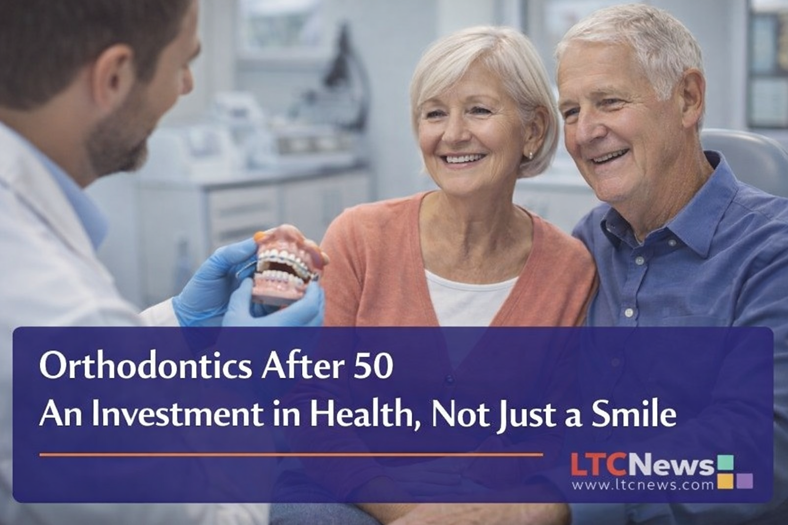
Orthodontic treatment is no longer just cosmetic or limited to teenagers. After age 50, correcting dental alignment can protect gum health, support nutrition, reduce inflammation, and even strengthen your long-term care planning. Here’s why straight teeth may be one of the most overlooked investments in healthy aging.

Linda Maxwell
Linda Maxwell is a journalist who writes about aging, health, chronic illness, caregiving, and long-term care issues impacting older adults and their families.
Table of Contents
- Oral Health Risks Rise with Age
- Adults Are Embracing Orthodontics
- Orthodontics as Preventive Health Strategy
- Nutrition, Frailty, and Long-Term Care Risk
- Dental Care in Assisted Living and Nursing Homes
- Questions to Ask Before Starting Treatment
- Function and Comfort
- The Bigger Picture: Your Smile and Your Future
Orthodontic treatment after 50 is more than cosmetic — it can protect gum health, improve nutrition, reduce systemic inflammation, and support long-term independence. As Americans live longer and face rising long-term care risks, preserving oral function becomes part of smart retirement and health planning. This article explains how dental alignment fits into your broader strategy for aging well and protecting your future.
When you think about preparing for retirement, you likely focus on savings, Social Security, healthcare costs, and perhaps Long-Term Care Insurance. Dental alignment probably doesn’t make the list.
It should.
Misaligned teeth can increase the risk of gum disease, tooth loss, chronic inflammation, and chewing problems — issues that grow more serious with age. For adults over 50, orthodontic treatment is less about appearance and more about protecting function.
A stable bite makes daily brushing and flossing more effective. Effective cleaning lowers bacteria levels. Lower bacteria levels reduce inflammation, and chronic inflammation is increasingly associated with systemic disease.
Oral health is not isolated from the rest of your body. It is part of the bigger aging picture.
Oral Health Risks Rise with Age
Aging brings predictable dental changes. Gum tissue recedes. Saliva production may decline, especially with common medications for blood pressure, anxiety, and depression. Dry mouth increases cavity risk.
According to the Centers for Disease Control and Prevention (CDC), about 1 in 5 adults age 65 and older have lost all of their teeth, and nearly 2 in 3 have gum disease.
As you age, your oral health becomes closely tied to your overall health. We often see gum recession, bone loss, shifting teeth, and dry mouth from medications, all of which can affect how you eat, speak, and even your confidence. Maintaining proper alignment and gum health isn’t cosmetic — it plays a critical role in preserving nutrition, reducing infection risk, and supporting healthy aging.” – Dr. Eric Barnes, an orthodontist in Chicago, Illinois.
Tooth loss affects more than your appearance. It reduces chewing strength, limits dietary choices, and can trigger jawbone loss.
Gum disease also has broader health implications. The American Heart Association (AHA) reported in a 2021 scientific statement that periodontal disease is associated with atherosclerotic cardiovascular disease, although more research is needed to determine direct causation.
Inflamed gums allow bacteria to enter the bloodstream. Over time, that inflammatory burden may contribute to complications for people managing diabetes, heart disease, or other chronic conditions.
Gum disease is prevalent among older adults due to factors like reduced saliva production and changes in gum tissue. Tooth decay remains a significant concern, exacerbated by medications that may dry out the mouth.
Tooth loss is another issue that can lead to difficulties with eating and speaking, further impacting nutritional intake and social interactions.
These conditions not only diminish quality of life but can also lead to more severe health complications if left untreated.
For adults over 50, protecting gum health becomes part of protecting overall health.
Adults Are Embracing Orthodontics
Orthodontic treatment is not limited to teenagers. According to the American Association of Orthodontists (AAO), adults represent roughly one-third of orthodontic patients in the United States.
Modern options are discreet and less invasive than in decades past.
Treatments may include:
- Clear aligners
- Ceramic or low-profile braces
- Limited orthodontic correction targeting specific teeth
- Combined orthodontic and restorative planning
Correcting misalignment can:
- Improve chewing efficiency
- Reduce uneven tooth wear
- Decrease jaw strain
- Make brushing and flossing more effective
For adults with crowns, implants, or bridges, proper alignment also protects prior dental investments.
Orthodontics at 55 or 65 is not about vanity. It is about preserving structure and function for the decades ahead.
Orthodontics as Preventive Health Strategy
Orthodontic treatment requires an investment of time and money. Yet prevention is often less costly than repeated restorations, emergency extractions, or complex oral surgery later in life.
Better alignment may reduce:
- Plaque accumulation
- Gum inflammation
- Tooth fractures
- Excessive enamel wear
- Temporomandibular joint (TMJ) strain
Nutrition, Frailty, and Long-Term Care Risk
Dental alignment influences what you eat. Chewing discomfort leads many older adults to avoid tougher foods, including lean protein, raw vegetables, and fiber-rich options.
The National Institute on Aging (NIA) warns that oral health problems can impair chewing and swallowing, increasing the risk of poor nutrition. Poor nutrition contributes to muscle loss and frailty. Frailty increases fall risk. Falls increase hospitalization risk.
Hospitalization can accelerate physical decline. Long-term services and supports become more likely when physical independence declines.
All this adds up to an increased need for long-term care, which, according to the U.S. Department of Health and Human Services (HHS), about 56% of adults age 65 and over will need.
Orthodontics does not eliminate long-term care risk. However, preserving oral function supports strength, nutrition, and resilience — key elements in maintaining independence.
Dental Care in Assisted Living and Nursing Homes
Oral health often declines after someone enters assisted living or a nursing home. A 2022 study published in the Journal of the American Geriatrics Society found that structured oral health programs improve outcomes in long-term care settings.
Family caregivers frequently struggle to coordinate dental appointments once mobility declines.
Caregivers also play a crucial part in maintaining oral health for seniors. They can assist with daily oral hygiene routines and facilitate visits to dental professionals. Empowering caregivers with knowledge about the importance of oral health can improve compliance with daily routines, thereby enhancing residents' overall well-being. Facilities should integrate comprehensive dental care into their services to support seniors effectively.
When searching for a long-term care facility for an older family member be sure to ask the staff how they handle the dental issues of tehri residents. Use the LTC News Caregiver Directory to narrow down options near you. If your loved one has a Long-Term Care Insurance policy, you can get help finding extended care services and the tax-free funds to pay for them. LTC News partners with Amada Senior Care to provide free claim support with no cost or obligation — File a Long-Term Care Insurance Claim.
If you are planning ahead, consider:
- Establishing consistent dental routines now
- Documenting dental providers in your care plan
- Asking about mobile dental services in your area
Planning dental care before you need assistance reduces crisis decisions later.
Questions to Ask Before Starting Treatment
Before pursuing orthodontics after 50, discuss:
- Is misalignment increasing my gum disease risk?
- Would correcting my bite improve long-term oral stability?
- How will treatment affect existing crowns or implants?
- Is bone density adequate for the safe movement of teeth?
- What is the realistic treatment timeline?
Function and Comfort
Orthodontic care offers numerous benefits for seniors by improving both function and comfort. Treatments such as braces or aligners can correct misaligned teeth, leading to better chewing efficiency and easier maintenance of oral hygiene.
Dr. Barnes says that orthodontic solutions are increasingly being adapted for older adults.
Options like clear aligners or less invasive procedures cater specifically to the needs of senior patients. These treatments not only address aesthetic concerns but also contribute significantly to oral function and comfort. Enhancing the bite through orthodontic care can reduce wear on teeth and alleviate jaw pain, making it a valuable consideration in senior dental care plans.
Every case is different. A comprehensive evaluation by a licensed dentist or orthodontist is essential.
The Bigger Picture: Your Smile and Your Future
Retirement planning involves more than investment returns. It involves maintaining the physical capacity to live independently.
Straight teeth are not a luxury. They may help protect gum health, support proper nutrition, reduce inflammation, and preserve oral stability well into your 70s and 80s.