Ways to Stay in Touch with Family Using Social Media
About This Article
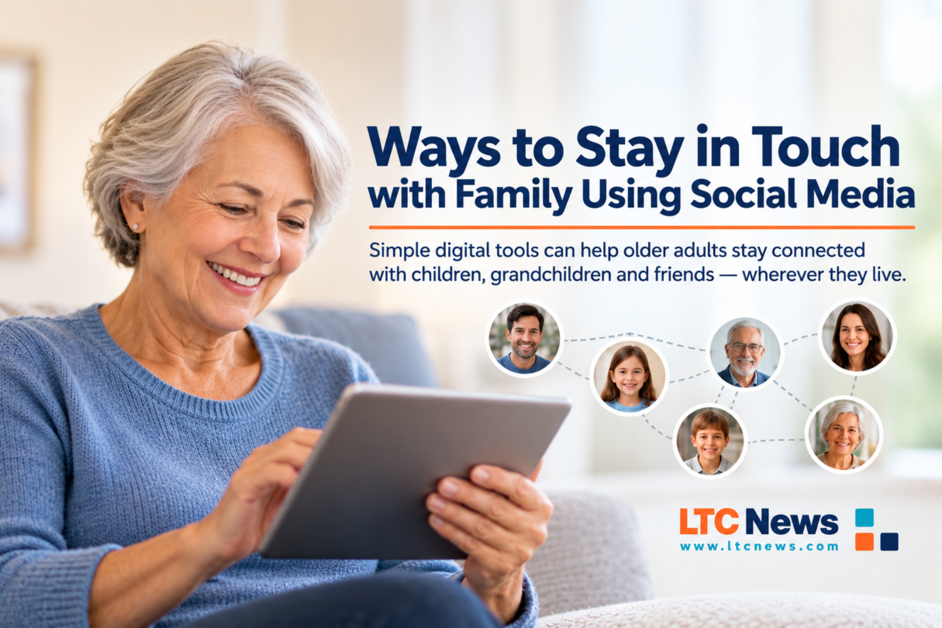
As people move around the country, older people are even more separated from their friends and families. Social media can be an easy way to stay in touch safely, even if someone lives in a long-term care facility.

Ashley Lipman
An award-winning writer who discovered her passion for providing knowledge to readers worldwide on topics closest to her heart - all things digital.
Social media has become one of the most common ways people stay connected, with billions of users worldwide and no sign of slowing down. It’s where we catch up on the news, learn new skills, follow our favorite teams and celebrities, and meet people we might never have crossed paths with otherwise. For many families, though, its most meaningful role is far simpler: it keeps us close when life keeps us apart.
Surveys consistently show that staying in touch with family and friends is the number‑one reason people use social platforms. For older adults—especially those living alone, managing health challenges, or separated from loved ones by distance—social media can become a lifeline. It offers a safe, convenient way to communicate with adult children, grandchildren, and long‑time friends without the barriers of travel, mobility, or complicated technology.
Whether you’re separated by illness, busy schedules, or geography, social media can make connection feel effortless. From sharing everyday moments to joining conversations, it offers countless ways to bridge the gap and stay present in each other’s lives.
One of the simplest and most popular ways to do this is through photos. Posting snapshots of your day—your garden, your pets, a favorite meal, a walk in the neighborhood—creates an easy window into your life. Tagging or sending these photos directly to loved ones helps spark conversations and keeps relationships active. Learning how to use photography hashtags can even help you share your images more widely, connect across generations, and discover new communities.
Create a Private Group or Message
For families who prefer a more private space to connect, creating a dedicated group or chat can make communication feel safer and more personal. Most social media platforms now offer invite‑only groups, private message threads, and closed channels where only approved members can see what’s shared. This gives older adults and their families a comfortable place to talk, share updates, and stay connected without worrying about outside eyes.
These private spaces support everything from photo sharing to quick messages, voice notes, and short videos. They’re simple to set up, easy to use, and flexible enough for families of any size. Whether you have a small circle or a large extended family, everyone can be included without the pressure of posting publicly.
Private group chats often become lively hubs of everyday connection—sharing jokes, checking in, celebrating milestones, or simply saying good morning. They encourage more frequent communication than occasional phone calls or scheduled video chats, helping families feel closer and more involved in each other’s lives, even when distance or health challenges make in‑person visits harder.
Video Chats
There are several ways for people to speak with each other using video with either social media or smartphones. Facebook, for example, has an instant message application where you can talk to someone while seeing them at the same time. It is effortless, and it only requires your computer, laptop, or other device has a camera and microphone.
Computer applications like Zoom and Microsoft Teams, among others, can combine a group of people for a video chat. These video meetings allow everyone to see each other and interact.
As long as you have access to the internet and the right equipment, your options are endless. Even much older people in long-term care facilities can often use these devices to stay in touch with their loved ones. Many facilities are still limiting the guests because of COVID-19 protocols. Despite the problems that the virus crisis throws at us, simple technology can still allow us to remain family.
Always Be Safe
While social media is incredibly convenient, it can also be potentially dangerous. You never know who will see what you post, so you need to be careful. For example, if you post you are going on a trip, someone may be able to find where you live and rob your home during the vacation, as they know you will be gone. If you post too much personal information, it can also be dangerous as people could use it to steal your identity or scam you.
Thankfully, there are a variety of things you can do to stay safe on social media. Being safe online includes keeping sensitive information personal, not leaking your password, adjusting your privacy and security settings, and many others. If you don’t take these into account, you could find yourself in a bad situation.
It is so easy to keep in touch with your family, even if you are miles and miles away.
Checking In on Emotional Well‑Being, Health, and Daily Activity
For adult children, one of the quiet advantages of social media and internet‑based tools is the ability to check in on an older parent’s well‑being without making them feel monitored. A quick post, a shared photo, or even a short comment can offer subtle clues about how they’re feeling, how active they’ve been, and whether anything seems out of the ordinary.
Many older adults use social platforms to share small pieces of their day—what they cooked, a walk they took, a memory that came to mind. These posts can help adult children gauge mood and engagement. A parent who is posting regularly, responding to messages, or sharing photos of daily routines is often staying socially connected and emotionally active. On the other hand, long stretches of silence, unusually negative posts, or sudden changes in tone can signal that something may be off and worth a gentle check‑in.
Video calls, private messages, and group chats also make it easier to notice changes in health or activity level. A quick video chat can reveal whether someone looks tired, seems confused, or appears less mobile than usual. Even simple tools—like shared step counters, photo updates from daily walks, or short voice notes—can help families stay aware of how active and engaged their loved ones are.
For older adults who enjoy technology, wearable devices and health apps can add another layer of reassurance. Many allow users to share limited information—like steps taken, heart rate trends, or medication reminders—with trusted family members. These tools don’t replace medical care, but they can help adult children spot patterns and offer support before small issues become bigger ones.
The goal isn’t surveillance—it’s connection. When used thoughtfully, social media and internet‑based tools help families stay emotionally close, notice changes early, and support older loved ones with care and dignity, even when miles or circumstances keep them apart.
How Long‑Term Care Communities Use Technology to Keep Families Connected
Many long‑term care facilities—including assisted living, memory care, and nursing homes—now rely on internet‑based tools and social media to strengthen communication between residents and their families. What began as a convenience has become an essential part of modern caregiving, helping families stay involved, informed, and emotionally connected even when they cannot visit in person.
Most communities maintain private family portals, secure messaging systems, or closed social media groups where staff can share updates, photos, and short videos. These invite‑only spaces allow families to see daily moments—activity participation, meals, celebrations, therapy sessions, or simply a resident enjoying the garden—without compromising privacy. For adult children, these glimpses offer reassurance and help them stay engaged in their loved one’s life, especially when distance or health issues limit visits.
Memory care and assisted living teams often use these tools to highlight resident engagement. Posting photos from art classes, music therapy, exercise groups, or holiday events helps families see how active and supported their loved ones are. For residents living with cognitive decline, these shared moments can be especially meaningful; families can witness joy, connection, and progress that might be hard to capture during a brief phone call.
Find Quality Extended Care Options for Loved Ones: Use the LTC News Caregiver Directory to search for caregivers and logn-term care facilities anywhere in the United States. If your loved one has Long-Term Care Insurance be sure to tell the Admissions Director as having an LTC policy often places your loved one on teh top of the waiting list. LTC News partners with Amada Senior Care to provide free claim support with no cost or obligation — File a Long-Term Care Insurance Claim.
Many communities also encourage residents to use simple, accessible technology themselves. Tablets with large icons, voice‑activated devices, and guided social media use allow older adults to send messages, share photos, or join video chats with family. Staff can assist residents who need help navigating apps, ensuring communication remains safe, comfortable, and empowering.
These digital tools don’t replace in‑person visits—they enhance them. They help families stay emotionally close, reduce anxiety about care, and create a shared sense of involvement. For residents, they offer stimulation, connection, and a feeling of being part of everyday family life, even from within a care community.
Community Training and Support for Older Adults
Across the country, park districts, libraries, senior centers, and community organizations are stepping up to help older adults feel confident using digital devices and social media. These programs recognize that staying connected isn’t just about having the right technology—it’s about knowing how to use it comfortably and safely.
Many park districts now offer hands‑on technology classes designed specifically for older adults. These sessions cover everything from setting up a smartphone to navigating social media platforms, joining video calls, sharing photos, and using messaging apps. Instructors move at a relaxed pace, encourage questions, and focus on practical skills that help older adults stay in touch with family.
Libraries and community centers often provide one‑on‑one tech help, drop‑in hours, or small‑group workshops. These can be especially helpful for older adults who want personalized guidance—learning how to adjust accessibility settings, organize photos, use voice‑activated tools, or understand privacy features that keep their information secure.
Some organizations partner with local colleges, volunteer groups, or teen tech‑mentor programs, creating intergenerational learning opportunities that benefit everyone. Older adults gain confidence and independence, while younger volunteers learn patience, communication skills, and the value of supporting their community.
These programs do more than teach technology—they help older adults stay socially connected, emotionally engaged, and empowered. By making digital tools accessible and unintimidating, community organizations ensure that older adults can fully participate in online conversations, family updates, and shared moments that strengthen relationships across generations.


Sponsored