In Aging, Self-Image Can Affect Emotional and Physical Well-Being
About This Article
Self-image can significantly affect emotional health as you age. Older adults who maintain confidence, personal identity, and social connections are often more engaged with life. Research suggests psychological well-being may influence recovery participation, depression risk, social isolation, and overall quality of life during aging.

Anna Marino
Anna Marino is a seasoned writer specializing in topics related to family, aging, and lifestyle in retirement. She shares advice on intergenerational relationships and strategies for enjoying retirement.
Table of Contents
- Emotional Health and Aging Are Closely Connected
- Why Identity Matters in Aging
- Small Daily Routines Can Support Emotional Stability
- Why Self-Image Still Matters in Dementia Care
- Men and Women Often Experience Aging Differently
- Professional Caregivers Help Shape Emotional Well-Being
- Depression in Older Adults Should Never Be Ignored
- Aging in Place Can Help Preserve Familiarity
- Long-Term Care Planning Helps Protect Quality of Life
- A Balanced Conversation About Appearance and Wellness
- Emotional Wellness Is Part of Healthy Aging
Depression and social isolation affect millions of older adults. Yet, psychological health often receives far less attention than physical care in long-term care settings.
According to the Centers for Disease Control and Prevention, loneliness and social isolation are associated with increased risks for dementia, heart disease, stroke, depression, anxiety, and premature death among older adults.
Federal health officials have also warned that prolonged social isolation may significantly increase health risks in older adults. At the same time, many older adults experience emotional distress tied to physical changes caused by illness, disability, surgery, or aging itself.
Hair loss, reduced mobility, weight fluctuations, chronic illness, or facial changes after medical events such as a stroke can quietly affect confidence and emotional stability.
Self-image is not vanity. It is identity. And for older adults, especially those individuals in long-term care settings, that identity can feel fragile. Whether someone is recovering from a serious illness, managing a chronic condition, or navigating the natural changes that come with aging, their sense of self is constantly being tested every day.
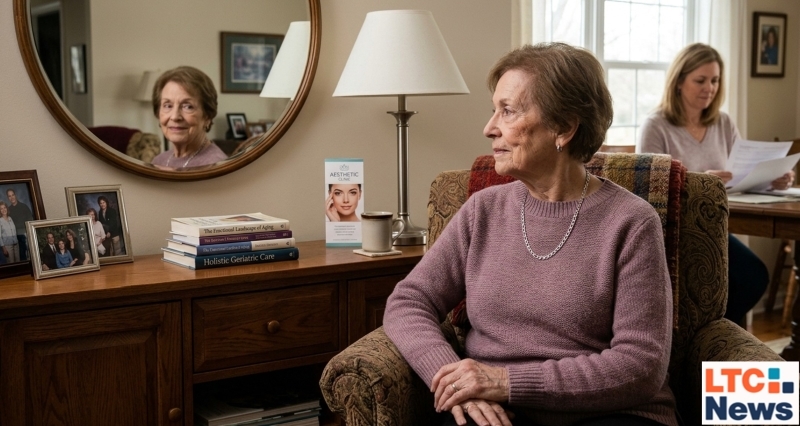
For some older adults, the physical changes that come with aging, hollowed cheeks, deepened lines, and loss of facial volume, can feel like a visible marker of decline, compounding the emotional weight that often accompanies health challenges and loss of independence. Interestingly, aesthetic treatments such as dermal filler have entered the conversation as more healthcare providers and families recognize that looking and feeling like yourself matters deeply — not just emotionally, but clinically.
Dermal fillers, injectable treatments that restore volume and smooth contours beneath the skin, have become an increasingly accessible option for adults who want their outward appearance to better reflect how they feel inside.
When used appropriately, fillers can offer a modest but meaningful lift in confidence and self-perception — not by erasing age, but by softening some of the physical changes that feel most unfamiliar or distressing. For older adults navigating serious health transitions, a restored sense of recognizing themselves in the mirror can support emotional well-being and social engagement.
That said, dermal fillers are a medical procedure, and older adults considering them face a more complex set of factors than younger patients. Age-related changes in skin thickness, circulation, and tissue structure can affect how fillers behave and how long results last. Existing cardiovascular conditions, blood thinners, and other medications common in older adults may increase the risk of bruising or complications. Frailty, immune changes, and slower healing can also affect outcomes.
Any older adult considering dermal fillers should have a thorough consultation with a board-certified dermatologist or plastic surgeon experienced in aging skin — not a medical spa or general aesthetics provider — and should disclose their full health history and medication list before proceeding. When approached carefully and with realistic expectations, fillers can be one small but legitimate part of supporting the dignity, identity, and emotional wellness that matter so much to quality of life as people age.
Emotional Health and Aging Are Closely Connected
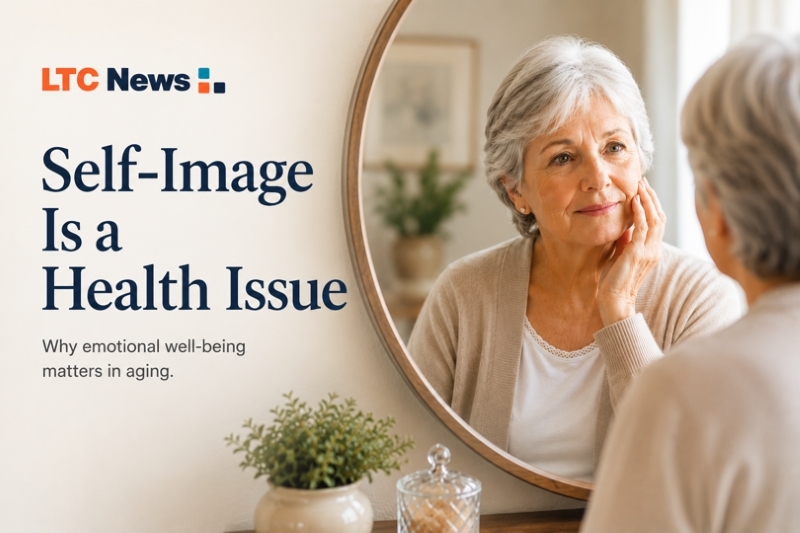
For some people, the face looking back in the mirror no longer feels familiar. Experts in aging and person-centered care increasingly recognize that mental wellness and self-perception are closely connected to how a person enjoys life as they age, their participation in rehabilitation when needed, social engagement, and quality of life throughout the aging process.
When you're a little ill, you encounter inconvenience or annoyance. When you're very ill, you start to lose your sense of self, your sense of person. There's a notion of no longer feeling like who you were. — Dr. Harvey Max Chochinov, Professor of Psychiatry at the University of Manitoba, the world's leading researcher on dignity in care, and the founder of Dignity Therapy.
The emotional effects of aging are often underestimated. The National Institute on Aging notes that emotional wellness, meaningful relationships, and social connections are important parts of healthy aging.
Researchers in geriatric psychology and rehabilitation medicine have also examined how self-esteem and social support may influence participation in rehabilitation and daily functioning among older adults recovering from illness or injury.
A 2022 study published in Frontiers in Psychology examining emotional resilience and self-esteem among older adults found that stronger social support and positive self-perception were associated with higher life satisfaction and improved psychological resilience during aging.
Older adults are remarkably resilient, but resilience does not mean ignoring emotional struggles. Social connection is a basic human need that directly affects health and well-being.
That resilience can influence everyday behavior. Older adults struggling emotionally may become less likely to participate in rehabilitation, exercise regularly, maintain grooming and self-care routines, join activities, socialize, or communicate openly with caregivers and family members.
Over time, reduced engagement may contribute to worsening isolation, declining mobility, and increased caregiving needs.
The bottom line is really that loneliness and isolation are bad for our health. — Dr. Carla Perissinotto, a geriatrician and palliative care physician in San Francisco.
Why Identity Matters in Aging
Self-image involves much more than appearance. It is closely tied to identity, autonomy, confidence, and emotional stability. Identity matters especially after retirement since the normal social interactions end. However, as we age and suffer from chronic illnesses and other aging conditions, our identity and confidence can diminish. For many older adults, entering assisted living, memory care, or a nursing home can feel emotionally overwhelming. Familiar routines disappear. Privacy changes. Independence may shrink dramatically within a short period of time.
Serious illness can intensify those feelings.
An older adult recovering from cancer treatment, stroke, Parkinson’s disease, or major surgery may struggle emotionally with physical changes that alter how they see themselves.
Dr. Bill Thomas, founder of the Eden Alternative, spent decades promoting person-centered elder care and warning about what he called the “three plagues” of institutional living: loneliness, helplessness, and boredom. His work helped influence broader conversations about dignity, emotional well-being, and quality of life in long-term care settings.
The three plagues of nursing homes are loneliness, helplessness, and boredom. — Dr. Bill Thomas.
Dr. Bill Thomas spent decades advocating for person-centered elder care models that reduce loneliness, helplessness, and boredom in institutional care settings. His work helped reshape how many providers approach emotional well-being and quality of life in aging services.
Small Daily Routines Can Support Emotional Stability
Experts in aging and dementia care often emphasize that small personal routines can provide comfort and emotional grounding during periods of physical vulnerability.
Wearing favorite clothing, maintaining familiar grooming habits, applying makeup, shaving regularly, wearing meaningful jewelry, listening to favorite music, or following spiritual and cultural traditions may help reinforce familiarity and self-worth.
For someone with dementia, even mild dementia, this can be very important. Preserving a person's sense of self is central to quality dementia care.
"Selfhood is much more than memory and should not be viewed only in terms of cognitive abilities," wrote Dr. Sam Fazio and colleagues at the Alzheimer's Association in their foundational 2018 Dementia Care Practice Recommendations, published in The Gerontologist.
Recognizing and maintaining selfhood is key to person-centered care." That principle extends beyond dementia to aging more broadly — when familiar routines, personal preferences, and individual identity are honored in care settings, older adults are better positioned to remain engaged, resilient, and connected to who they are. — Dr. Sam Fazio.
Many assisted living and memory care communities now incorporate salon services, personalized wellness activities, and grooming support into resident care plans because providers increasingly recognize the emotional value of preserving routine and individuality.
These routines may seem minor from the outside, but they often help older adults maintain confidence and emotional connection during difficult transitions.
Why Self-Image Still Matters in Dementia Care
Self-image and emotional identity remain important even for people living with dementia. Even as dementia progresses, a person's sense of self and emotional identity does not vanish — research shows that familiar routines, personal preferences, and the feeling of being treated as an individual continue to matter deeply, and honoring them can reduce distress and support dignity throughout the course of the disease.
Researchers studying dementia care have found that emotional memory and emotional recognition may persist longer than some other cognitive abilities. While a person may forget names or recent conversations, they may still respond emotionally to familiar routines, music, personal appearance, or the tone of caregiver interactions.
That understanding has become a central principle of person-centered memory care. Supportive approaches may include allowing residents to choose clothing, respecting lifelong grooming habits, using familiar routines, displaying personal photographs, and encouraging activities connected to personal history.
The goal is not simply physical safety. It is helping people maintain a sense of identity and human connection despite cognitive decline.
Men and Women Often Experience Aging Differently
Emotional reactions to aging and physical change are not always the same for men and women. Women frequently report distress related to visible aging, hair thinning, skin changes, or feeling less socially visible as they grow older.
Men may struggle more with the loss of physical strength, career identity, mobility, or independence. Both experiences can affect mental wellness, confidence, and social engagement.
Care teams that recognize those emotional differences may be better equipped to provide compassionate support.
Professional Caregivers Help Shape Emotional Well-Being
Professional caregivers influence psychological well-being every day through ordinary interactions. Certified nursing assistants, home health aides, nurses, therapists, and activity coordinators often affect how older adults feel about themselves through their tone of voice, respect for privacy, patience during personal care, support for independence, and willingness to encourage familiar routines and personal preferences.
Seemingly small interactions can influence whether someone feels respected, ignored, rushed, or valued. Person-centered care models increasingly train staff to recognize the emotional importance of preserving autonomy, comfort, and individuality alongside physical care needs.
Depression in Older Adults Should Never Be Ignored
Depression is not a normal part of aging, although it is often underdiagnosed in older adults. The World Health Organization estimates that roughly 14% of adults age 70 and older live with a diagnosable mental health condition, with depression and anxiety among the most common concerns affecting older adults globally. According to the National Council on Aging, nearly one in four adults age 65 and older experiences some form of mental health concern, yet many cases go untreated because symptoms are mistaken for normal aging.
Because emotional decline is often overlooked in older adults, healthcare providers frequently use screening tools such as the Geriatric Depression Scale (GDS) and Patient Health Questionnaire-9 (PHQ-9).
These assessments may help identify depression, emotional withdrawal, anxiety, or declining mental wellness in long-term care settings.
Warning signs families should watch for include:
- Withdrawal from social interaction
- Loss of interest in hobbies
- Persistent sadness
- Appetite changes
- Sleep disturbances
- Irritability
- Neglect of personal grooming
Mental health support can play an important role in comprehensive aging and long-term care planning.
Aging in Place Can Help Preserve Familiarity
Many older adults prefer aging in place because remaining at home often helps preserve emotional comfort, routine, and familiarity. Personal surroundings reinforce identity through family traditions, familiar belongings, community relationships, religious involvement, and daily routines developed over decades.
However, aging in place may eventually require:
- Home modifications
- Family caregiving
- Professional home care
- Transportation support
- Memory care services
Planning ahead gives families more flexibility as care needs evolve.
Long-Term Care Planning Helps Protect Quality of Life
Long-term care planning is not only about protecting finances. It is also about preserving independence, emotional wellness, personal choice, and quality of life.
Many families are surprised to discover that Medicare and standard health insurance generally do not cover most ongoing custodial long-term care services, including extended assistance with daily living activities, supervision due to dementia, or long-term assisted living care.
Long-Term Care Insurance can help pay for services such as:
- In-home care
- Assisted living
- Memory care
- Nursing home care
- Adult day care
Planning now will help your family access care environments for you in the future that better support mental wellness, familiarity, and person-centered care preferences.
The LTC News Cost of Care Calculator allows families to compare current long-term care costs nationwide. The LTC News Caregiver Directory helps families locate care providers and support services.
A Balanced Conversation About Appearance and Wellness
Some healthcare providers and aging specialists have begun discussing how appearance-related wellness may affect emotional health in older adults. For certain individuals, maintaining personal appearance through grooming, skincare, hairstyling, or other non-invasive routines may support confidence and emotional well-being.
These approaches are personal choices and should never replace:
- Mental health support
- Social engagement
- Appropriate medical treatment
- Quality caregiving
- Emotional connection
Experts also caution that elective cosmetic procedures are not appropriate for everyone, especially older adults with frailty, cognitive impairment, cardiovascular disease, multiple chronic illnesses, or complex medication regimens.
Any elective procedure should be carefully evaluated with qualified medical professionals.
Emotional Wellness Is Part of Healthy Aging
Long-term care involves far more than managing medical conditions. Emotional health, identity, confidence, and human connection also shape the quality of life during aging.
Families, caregivers, and healthcare providers all play important roles in helping older adults maintain a sense of individuality and emotional stability as health needs change.
Planning before an aging or health crisis occurs may provide greater access to care options that support both physical and emotional well-being. Before you reach the age when the consequences of aging limit your ability to plan, start planning for your retirement.
Learn more: LTC News Long-Term Care Insurance Learning Center.
Frequently Asked Questions
Can poor self-image affect physical health in older adults?
Yes. Emotional distress related to aging, illness, disability, or physical changes may contribute to depression, social isolation, reduced physical activity, and withdrawal from rehabilitation or daily routines. Over time, those behaviors can negatively affect physical health and independence.
Does Medicare pay for long-term care?
Medicare generally covers limited short-term skilled care but does not pay for most ongoing custodial long-term care services, including extended assistance with daily living activities, assisted living, or long-term supervision related to dementia.
How does aging affect emotional health?
Aging can bring major life changes, including retirement, chronic illness, loss of independence, grief, mobility limitations, and changes in physical appearance. These experiences may affect confidence, emotional stability, and social interaction, especially when combined with loneliness or declining health.
Does self-image still matter for someone living with dementia?
Yes. Research in dementia care shows that emotional memory and emotional recognition may remain even as cognitive abilities decline. Familiar routines, clothing choices, personal grooming habits, music, photographs, and respectful caregiving interactions can help preserve dignity and emotional comfort.
Is depression a normal part of aging?
No. Depression is not considered a normal part of aging, although it is often underdiagnosed in older adults. Experts encourage families to watch for warning signs such as withdrawal, sadness, irritability, sleep changes, appetite changes, or neglect of personal care.
How do caregivers influence emotional well-being in long-term care?
Professional caregivers often shape emotional health through everyday interactions. Respectful communication, patience, privacy, support for independence, and encouraging familiar routines can affect whether an older adult feels valued, respected, or emotionally connected.
Why does identity matter in long-term care?
Identity helps older adults maintain dignity, confidence, emotional connection, and a sense of control. Experts in person-centered care emphasize that preserving routines, personal preferences, grooming habits, and social relationships can help improve emotional well-being in long-term care settings.
Why do some older adults stop participating in activities?
Older adults may withdraw socially due to depression, chronic illness, reduced mobility, anxiety, grief, cognitive decline, or emotional distress related to physical changes associated with aging. Reduced social engagement may increase emotional decline and caregiving needs over time.
How does loneliness affect older adults?
According to the Centers for Disease Control and Prevention, loneliness and social isolation are associated with increased risks for dementia, depression, anxiety, heart disease, stroke, and premature death among older adults. Social connection is considered an important part of healthy aging.
Is self-image in aging just a vanity issue?
No. Experts increasingly recognize that self-image is closely tied to identity, dignity, emotional stability, and quality of life. For many older adults, especially those coping with chronic illness or long-term care needs, maintaining a sense of self can play an important role in emotional wellness and resilience.
Why do many older adults prefer aging in place?
Many older adults prefer aging in place because familiar surroundings, routines, belongings, relationships, and community ties may help preserve emotional comfort, independence, and identity.
What are signs of depression in older adults?
Common warning signs may include:
- Withdrawal from family or activities
- Persistent sadness
- Irritability
- Loss of interest in hobbies
- Sleep disturbances
- Appetite changes
- Neglect of grooming or hygiene
- Reduced motivation or activity levels
Healthcare providers may use tools such as the Geriatric Depression Scale (GDS) or PHQ-9 screening questionnaire to help identify depression.
Can small routines improve emotional well-being in older adults?
Simple daily routines such as wearing favorite clothing, maintaining grooming habits, listening to music, participating in spiritual traditions, or staying socially engaged may help reinforce familiarity, comfort, and self-worth for older adults.
Why is self-image important as you age?
Self-image affects far more than appearance. Research suggests self-perception can influence emotional health, confidence, social engagement, rehabilitation participation, and overall quality of life as you age. Older adults who maintain a stronger sense of identity and personal dignity are often more socially connected and emotionally resilient.
How can Long-Term Care Insurance help families?
Long-Term Care Insurance can help pay for services such as in-home care, assisted living, memory care, nursing home care, and adult day care. Having coverage may help families access care options that better support dignity, emotional well-being, and quality of life.


Sponsored