Grief After Loss: Helping Families Heal Following a Death of Older Loved One
About This Article
There are ways in which families can cope with grief after a loved one dies, including loss in long-term care communities, and when to seek support.

Anna Marino
Anna Marino is a seasoned writer specializing in topics related to family, aging, and lifestyle in retirement. She shares advice on intergenerational relationships and strategies for enjoying retirement.
Table of Contents
- Physical Impact of Grief on Your Health
- When a Loved One Lived in Long-Term Care
- Grief After a Long Caregiving Journey
- Managing Loss When Distance Complicates Decisions
- Creating Healthy Communication Within Your Family
- When Grief May Require Professional Help
- Role of Religion and Funeral Services in Healing Grief
- Role of Remembrance Rituals
- Planning Protects Your Family
This guide explains the emotional and physical impact of loss, how distance and facility living add complexity, and how planning ahead can protect your family from additional stress.
You get the phone call. Maybe you expected it. Maybe you didn’t. Either way, nothing prepares you for the finality. When someone you love dies, your world shifts instantly. Grief affects your emotions, your health, and your family relationships—and when a loved one lived in a long-term care community, fellow residents and caregivers grieve as well.
Grief brings emotional and practical challenges. You must make decisions about services, paperwork, and communication while processing shock, sadness, anger, or numbness. Experts tell us that you don’t get ‘over’ the loss of a loved one; you learn to live with it.
Each person’s grief is as unique as their fingerprint, but grief often doesn’t stay in our emotions — it affects our thinking, our decisions and how we manage daily responsibilities. Part of that journey involves handling the real-world tasks and choices that arrive alongside the pain.” — David Kessler, grief expert and co-author of On Grief & Grieving.
Each person grieves differently. Reactions may include:
- Sadness or tearfulness
- Irritability or anger
- Guilt
- Confusion
- Emotional withdrawal
Children may ask repetitive questions about a grandparent's death, and teenagers may retreat, especially if they were very close to them. Older adults may relive earlier losses. Recognizing these differences reduces family tension during an already fragile time.
Open acknowledgment of loss supports emotional well-being. Talking about the person who died helps preserve the connection while accepting reality.
Physical Impact of Grief on Your Health
Grief does not stay in your head. It affects your body. The American Heart Association has reported that intense emotional stress can trigger Takotsubo cardiomyopathy, often called “broken heart syndrome,” a temporary heart condition most common in older women.
Experts say that grief and emotional trauma alone can cause a serious heart condition that presents exactly like a heart attack, with chest pain, breathlessness, ECG changes, and raised cardiac enzymes. Yet, the coronary arteries are normal.
This is not a metaphor, it's a measurable, diagnosable cardiac condition. A sudden emotional shock, like bereavement, a major argument, or even severe anxiety, can trigger this hormone surge that temporarily stuns the heart muscle.” — Dr. Chirag D., Consultant – Interventional Cardiology at Aster Whitefield, Bengaluru.
Common physical symptoms of bereavement include:
- Sleep disruption
- Headaches
- Digestive issues
- Muscle tension
- Fatigue
- Appetite changes
- Increased susceptibility to illness
Stress hormones released during grief affect immune response, blood pressure, and concentration. For adults over 45 managing chronic conditions, stress can worsen existing health issues.
Self-care matters:
- Maintain consistent sleep
- Stay hydrated
- Eat balanced meals
- Continue prescribed medications
- Engage in light physical movement
Recognizing physical symptoms as part of grief allows you to respond with patience rather than alarm.
When a Loved One Lived in Long-Term Care
If your loved one lived in assisted living, memory care, or a nursing home, grief extends beyond your family. Residents in long-term care communities often form deep friendships. They share meals, activities, and daily routines. When one resident dies, others feel that absence immediately.
In memory care settings, residents may repeatedly ask where their friend has gone. Staff must balance compassionate communication with privacy rules under HIPAA.
Many facilities offer:
- Small remembrance gatherings
- Chaplain or pastoral visits
- Group grief discussions
- Staff counseling support
Caregivers grieve, too. Nurses and aides often build close relationships over months or years.
If your loved one’s community does not automatically offer grief support, ask what resources are available. Understanding these bonds also highlights something important: long-term care communities are not just facilities. They are social ecosystems.
👉You can search and explore care communities and support services for a loved one through the LTC News Caregiver Directory.
Grief After a Long Caregiving Journey
For many families, death follows months or years of caregiving. When caregiving ends, families may feel both grief and exhaustion. Relief and sadness can exist at the same time. That emotional conflict is normal.
After years of tending to a parent, spouse, or family member, the end of caregiving can bring both relief and heartbreak. Former caregivers describe deep loneliness and exhaustion, others a fragile sense of peace, but all share one truth: caregiving changes everything.” — Amie Clark, BSW, in DailyCaring.

Grief affects more than your emotions. It can also create physical symptoms that many people do not expect. Understanding these effects helps families practice better self-care during a difficult time.
Managing Loss When Distance Complicates Decisions
Many retirees relocate. Adult children may live states away. Coordinating arrangements across state lines adds complexity:
- Transportation of remains
- Burial or cremation decisions
- Death certificates
- Travel coordination for services
The National Funeral Directors Association reports that families increasingly rely on funeral professionals to manage multi-state logistics and documentation.
Coordinating transportation of remains, deciding between burial and cremation, and arranging memorial services across state lines can intensify emotional strain. Feelings of guilt may surface if family members were unable to be present at the end of life.
According to Alissa Houssein, a funeral director with Baldwin Brothers Funeral & Cremation Society, who provides cremation services in The Villages, Florida, logistical challenges often compound emotional stress. She notes that some providers assist with paperwork, death certificates, coordination between funeral homes in different states, and arrangements for services closer to where most family members live.
Support that extends beyond the service itself can ease administrative burdens and give families space to focus on processing their grief. Virtual planning meetings and electronic paperwork now help reduce administrative stress. Support beyond the service itself allows you to focus on healing.
Creating Healthy Communication Within Your Family
Some family members want to talk constantly. Others withdraw. The fact is that family members often grieve in different ways. Some prefer to talk openly about their feelings, while others focus on daily responsibilities or keep busy. Understanding different grieving styles within families can help reduce tension and prevent misunderstandings during an already difficult time.
Choose calm moments to check in:
- “How are you feeling today?”
- “What do you miss most?”
Watch for warning signs:
- Persistent withdrawal
- Irritability
- Behavioral regression in children
- Avoidance of all reminders
Setting aside time to share memories strengthens connection.
When Grief May Require Professional Help
Grief has no fixed timeline. But persistent disruption to daily life may signal complicated grief or depression. However, certain warning signs may suggest that a person is experiencing complicated grief symptoms, which can interfere with daily functioning and require additional professional support.
Warning signs include:
- Inability to function for extended periods
- Severe insomnia
- Intrusive thoughts
- Panic symptoms
- Significant physical decline
The Substance Abuse and Mental Health Services Administration emphasizes that peer support and counseling improve resilience during vulnerable periods.
Options include:
- Individual counseling
- Grief support groups
- Faith-based programs
- Community mental health services
Primary care providers can connect families with local counseling services. Online support groups provide access to others who have experienced similar losses, helping reduce isolation and normalize difficult emotions. Broader models of peer support in behavioral health show how shared experience can strengthen resilience and encourage connection during vulnerable periods.
Seeking help protects your long-term emotional and physical stability.
Role of Religion and Funeral Services in Healing Grief
For many families, religious beliefs and rituals play a profound role in the grieving process. Faith traditions — whether Catholic, Protestant, Jewish, Muslim, Buddhist, or non-denominational — frame loss not only as an ending but as a passage with spiritual meaning. When faith communities come together for funeral rites or memorial services, they do more than honor a life lived; they offer space for collective mourning, comfort, and hope.
Funeral services can blend celebration and sorrow in ways that support emotional and spiritual healing. They provide:
- A meaningful structure for acknowledging loss
- A community presence that surrounds mourners with support
- Rituals and prayers that express belief in something larger than death
- An opportunity to share memories that strengthen family bonds
Among Catholics, for example, funeral rites are understood as both a farewell and an affirmation of faith in eternal life. The United States Conference of Catholic Bishops explains that through prayer and public funeral rites, the community “strengthen[s] our faith and hope, comfort those who mourn, and bury the bodily remains of the deceased with care befitting what was the Temple of the Holy Spirit.”
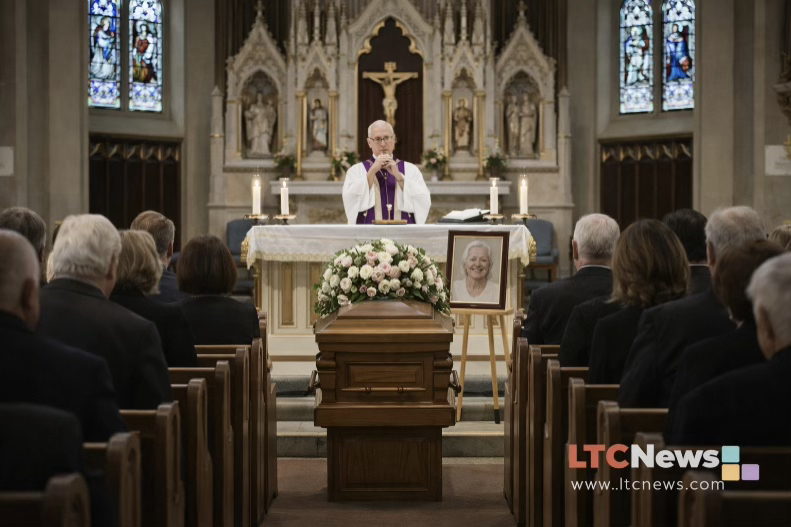
The consolation of faith helps the faithful face and deal with their loss in a positive, constructive way, and the gathering of family and friends provides them with a support network to help them get through the initial difficult time of loss and begin to heal.” — Father Vaughn Winters, pastor and pastoral minister.
In other traditions, similar sentiments emerge: grieving together — whether through prayer, song, shared readings, or communal presence — reinforces the idea that you are not alone. Loved ones benefit from hearing familiar voices, seeing supportive faces, and participating in rituals that give tangible expression to love, memory, and hope.
Whether through religion, spiritual community, or interfaith rituals, gathering for a funeral or memorial service often brings comfort when words alone fall short. It allows families to honor the person who died, strengthen connections with one another, and begin the slow but essential work of healing.
Role of Remembrance Rituals
Rituals provide structure when everything feels uncertain. Creating meaningful remembrance rituals can help transform grief into a lasting connection rooted in memory and intention.
Families may:
- Plant a tree
- Create a scholarship fund
- Support a charity
- Host annual remembrance gatherings
- Build memory boxes for children
Technology allows distant relatives to participate through virtual memorial pages. Remembrance transforms grief into a lasting connection.
Planning Protects Your Family
Loss often prompts reflection. Were decisions rushed? Did financial strain add stress? Did everyone know your loved one’s wishes?
Grief is unavoidable. Financial chaos is not.
Advance directives, funeral pre-planning, and Long-Term Care Insurance help protect your family from crisis decision-making. The LTC News Cost of Care Calculator allows you to see current and projected long-term care costs by ZIP code. Understanding those numbers today can reduce stress tomorrow.
Preparing now is not about expecting the worst. It is about protecting the people you love from unnecessary hardship.

Sponsored