Do Ultra-Processed Foods Affect Antidepressants After 50?
About This Article
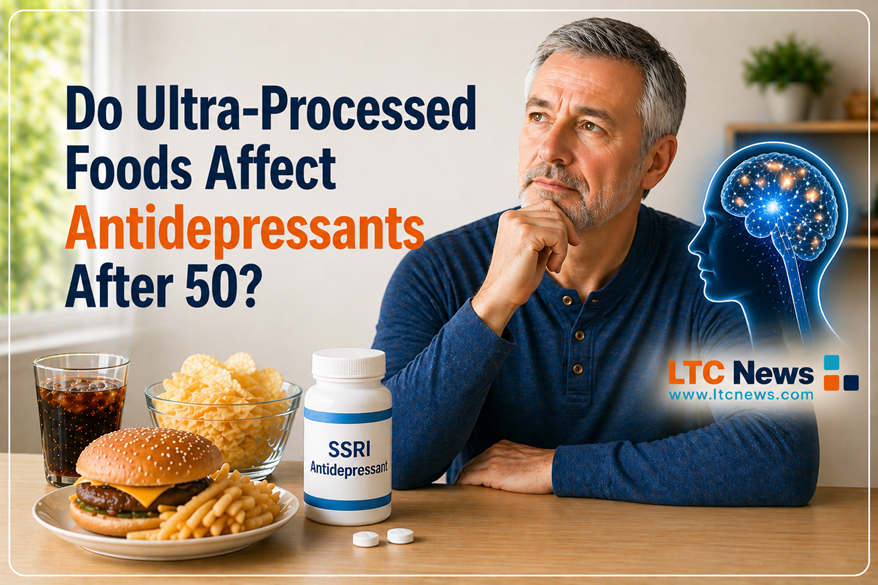
Ultra-processed foods do not directly cancel out antidepressants like SSRIs, but overuse can affect how well they work. Diets high in processed foods may increase inflammation, disrupt gut health, and worsen mood stability—factors that can reduce treatment effectiveness, especially after age 50 when chronic conditions and medication sensitivity increase.

Linda Maxwell
Linda Maxwell is a journalist who writes about aging, health, chronic illness, caregiving, and long-term care issues impacting older adults and their families.
Table of Contents
- Why Antidepressants Like SSRIs Are Common After 50
- How SSRIs Work and Why Results Can Change
- Where Ultra-Processed Foods Fit In
- How Overuse of Ultra-Processed Foods Can Undermine SSRI Effectiveness
- Why UPFs Matters More in Later Life
- Chronic Illness and Mental Health: A Two-Way Street
- Depression, Chonic Illness and Aging
- Polypharmacy: When Medications Interact
- How Caregivers and Facilities Monitor Diet and Medications
- How Long-Term Care Facilities Manage Nutrition and Medication
- Oversight Improves Quality of LIfe
- Mental Health and Long-Term Care Risk
- Practical, Realistic Steps You Can Take
You and your older family members should be taking your medications. If you suffer from depression or anxiety, the medication the doctor prescribes can improve your quality of life. You follow your doctor’s advice. Yet something still feels off—your mood, your energy, your focus.
If you’re over 50, the issue may not be your prescription alone, but how evolving health needs and daily habits quietly shape how well your treatment works.
Ultra-processed foods are convenient and common, but consistent overreliance on them may influence your mental health, physical well-being, and how effectively antidepressants perform.
Why Antidepressants Like SSRIs Are Common After 50
As you move into your 50s and beyond, mental health needs often become more complex and more visible. Changes in lifestyle, physical health, and social connections can all influence how you feel day to day, making conditions like depression and anxiety more likely to emerge or worsen.
As a result, healthcare providers frequently prescribe medications to help stabilize mood and improve quality of life.
Medications such as Sertraline, Fluoxetine, and Escitalopram are widely prescribed to treat depression, anxiety, and related conditions.
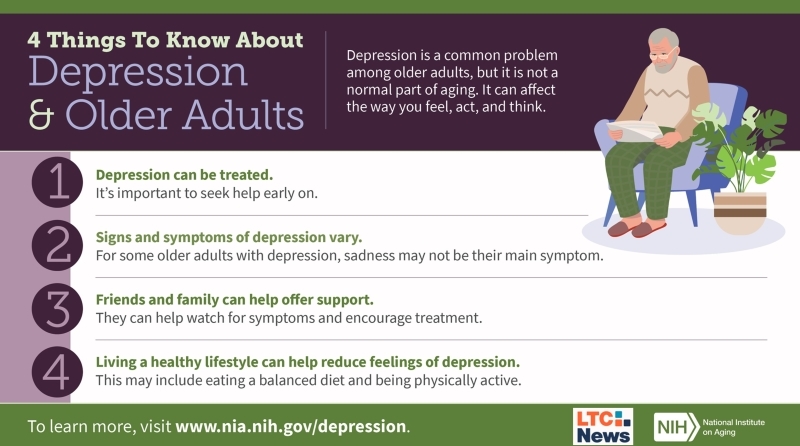
According to the National Institute on Aging, depression is common in older adults but often goes undiagnosed or untreated.
How SSRIs Work and Why Results Can Change
Selective Serotonin Reuptake Inhibitors (SSRIs) are designed to increase the availability of serotonin in the brain, helping regulate mood, sleep, appetite, and emotional balance. For many people, these medications provide meaningful relief from symptoms of depression and anxiety.
These medications help manage symptoms of depression and anxiety, as well as many other conditions. These medications often work well when paired with talk therapy, like cognitive behavioral therapy. SSRIs are generally well tolerated, with mild or minimal side effects. — Cleveland Clinic.
These medications work, simply put, by helping regulate your mood through increasing serotonin levels in your brain.
However, over time, changes in metabolism, organ function, and overall health can affect how medications are processed. This means the same prescription that worked well in the past may feel different, especially when combined with other health conditions or medications.
Older adults are more sensitive to medications because of age-related changes in metabolism and organ function, according to guidance from the U.S. Food and Drug Administration.
Researchers say there is increasing evidence that diet quality plays a role in mental health outcomes, including response to treatment. The better your diet, the better control you have of your mood and depression.
Where Ultra-Processed Foods Fit In
Ultra-processed foods are designed for convenience, affordability, and long shelf life. While they can serve a purpose, they often become a regular part of daily eating habits, especially when cooking feels difficult or time-consuming.
Common examples include:
- Frozen meals and instant dinners
- Packaged snacks and baked goods
- Processed meats
- Sugary drinks and desserts
Why You May Rely on Them
There are practical reasons why these foods become more common over time, particularly as routines and physical abilities change.
- Cooking for one feels like too much effort
- Physical limitations make meal preparation harder
- Caregivers prioritize convenience
- Fixed incomes influence food choices
Have you noticed how your energy or mood shifts after certain meals?
The concern is not occasional use, but consistent overreliance. When ultra-processed foods dominate your diet, they can begin to affect your health in meaningful ways.
How Overuse of Ultra-Processed Foods Can Undermine SSRI Effectiveness
A growing body of research highlights the connection between diet quality and mental health outcomes. While ultra-processed foods are widely consumed, frequent intake has been linked to changes in both physical and emotional health.
The truth is, though, that regular consumption can be problematic. There is evidence that regularly consuming ultra-processed foods (UPF) can actually undermine your mental health, as well as your treatment outcomes.
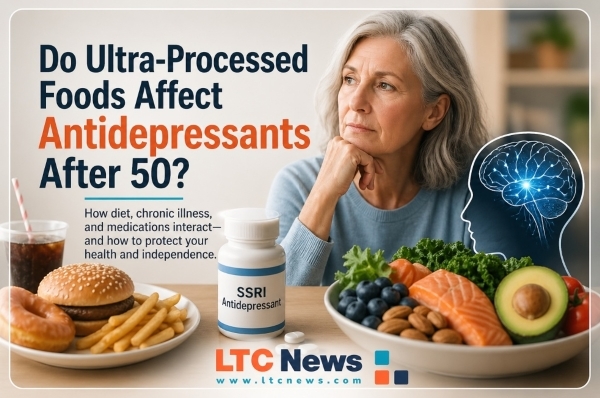
Relying heavily on ultra-processed foods can work against how well medications like Sertraline or Escitalopram perform. Diets high in added sugars, refined carbohydrates, and artificial additives are linked to increased inflammation and unstable blood sugar levels—both of which can worsen mood swings, fatigue, and irritability.
These foods can also disrupt the gut microbiome, which plays a role in serotonin production and overall brain signaling, potentially making it harder for SSRIs to deliver consistent results. Over time, poor nutrition may blunt the benefits of treatment, contributing to lingering symptoms of depression or anxiety and making recovery feel slower or less complete.
A large 2019 study published in the BMJ found that higher consumption of ultra-processed foods was associated with an increased risk of depression.
Effects of UPFs
These effects may not be immediately noticeable, but they can build over time and influence how you feel day to day.
Inflammation
- UPFs are linked to chronic inflammation
- Inflammation is associated with depression and cognitive decline
Gut Health
- Your gut plays a major role in serotonin production
- Poor diet can disrupt this system
Blood Sugar Swings
- Processed foods cause spikes and crashes
- This can worsen mood and energy levels
Nutrient Deficiencies
- Diets high in UPFs often lack key nutrients for brain health
Why UPFs Matters More in Later Life
Over time, your body becomes less able to adapt to stress and recover from physical and emotional strain. This shift makes daily habits, especially diet, more important than ever.
You may begin to experience:
- Slower recovery from stress
- Increased inflammation
- Greater sensitivity to medications
- Higher risk of cognitive decline
At this stage, mental health conditions often affect your ability to function independently, not just your emotional well-being.
Chronic Illness and Mental Health: A Two-Way Street
Over time, it becomes increasingly common to manage multiple chronic health conditions at once. These conditions often develop gradually and can significantly affect both physical and emotional well-being, creating additional challenges in daily life.
Common examples include:
- Heart disease
- Diabetes
- Arthritis
- Chronic pain
- Respiratory illness
Depression, Chonic Illness and Aging
Chronic illness does not exist in isolation. It influences how you feel, how you function, and how effectively treatments work across your entire body.
- Chronic illness increases the risk of depression and anxiety
- Depression can worsen outcomes for chronic disease
- Fatigue and pain reduce motivation for healthy habits
- Cognitive changes may begin to appear
This creates a cycle that can make both mental and physical health more difficult to manage without a coordinated approach.
Polypharmacy: When Medications Interact
What you eat can affect the medications you take, and some of your medications may interact with each other. As chronic conditions increase, so does the likelihood of taking multiple medications each day. This situation, known as polypharmacy, introduces additional complexity into your care and can affect how your body responds to treatment.
Taking several medications at once can increase the risk of:
- Drug interactions
- Side effects such as dizziness or fatigue
- Reduced treatment effectiveness
- Higher fall risk
SSRIs are generally safe, but when combined with medications for blood pressure, sleep, or pain, they require careful monitoring. For you, or a loved one, this means even small factors—such as diet, hydration, or medication timing—can have a noticeable impact on how you feel each day.
How Caregivers and Facilities Monitor Diet and Medications
As health needs become more complex, managing medications and daily nutrition often involves more than just your own efforts. Whether care is provided at home or in a facility, caregivers play a critical role in ensuring that treatment plans are followed safely and effectively.
In-home caregivers, assisted living staff, and nursing home professionals are trained to observe how medications, meals, and daily habits interact. Their oversight helps identify subtle changes before they become serious problems.
Search for experienced caregivers and long-term care facilities by using the LTC News Caregiver Directory.
What In-Home Caregivers Should Watch For
Caregivers in your home are often the first to notice small but meaningful changes in your routine or condition. Because they are present during meals and medication schedules, they can connect patterns that might otherwise go unnoticed.
They typically monitor:
- Changes in appetite or eating habits
- Increased reliance on ultra-processed foods
- Missed or improperly timed medications
- Side effects such as nausea, fatigue, or dizziness
- Mood or behavioral changes after meals or medications
By identifying these patterns early, caregivers can alert family members or healthcare providers and help adjust care before problems escalate.
How Long-Term Care Facilities Manage Nutrition and Medication
In assisted living and nursing homes, care becomes more structured and coordinated. Teams work together to manage both medical treatment and nutrition as part of a comprehensive care plan.
Facilities commonly provide:
- Scheduled medication administration and documentation
- Nutritional planning with balanced meals
- Monitoring of weight, hydration, and food intake
- Coordination among nurses, physicians, and dietary staff
- Ongoing observation for side effects or behavioral changes
This level of oversight helps reduce risks associated with multiple medications and poor nutrition, both of which can affect mental health and daily function.
Oversight Improves Quality of LIfe
Consistent monitoring of diet and medications can significantly influence your quality of life and long-term outcomes.
It can help:
- Improve treatment effectiveness
- Reduce complications and hospitalizations
- Support cognitive and emotional health
- Extend your ability to live independently
If you have Long-Term Care Insurance, many policies cover both in-home and facility-based care, giving you access to better services and more flexibility.
Mental Health and Long-Term Care Risk
Mental health challenges, particularly when combined with chronic illness and lifestyle factors, can increase the likelihood of needing long-term care services later in life. This shift often happens gradually, making it easy to underestimate the long-term impact.
Depression and anxiety can contribute to:
- Difficulty managing medications
- Reduced ability to perform activities of daily living (ADLs)
- Increased risk of dementia
- Earlier loss of independence
According to the U.S. Department of Health and Human Services, about 56% of adults will need long-term services and supports at some point in their lives. At the same time, Medicare and traditional health insurance only cover short-term skilled care. Long-term custodial care is largely paid out of pocket, placing a financial burden on individuals and families.
Without planning, extended care—whether at home or in a facility—can cost thousands per month and quickly drain retirement savings.
Long-Term Care Insurance can help cover the cost of care services, including in-home care, assisted living, or nursing facilities, helping protect your savings and reduce the burden on your family. However, you must have reasonable health to obtain coverage in the first place. Seek help from a qualified LTC Insurance specialist.
Practical, Realistic Steps You Can Take
Improving your health does not require perfection. It requires consistent, manageable changes that fit into your daily routine and support both your physical and mental well-being.
Your mental health is just as important as your physical health, and the two are closely connected—along with what you eat and the medications you take. Be sure to have regular checkups and routine lab work with your doctor, especially after age 50, to monitor your overall health each year.
Reduce Overreliance on Ultra-Processed Foods
Start by identifying where processed foods dominate your routine and gradually replace them with more balanced options.
- Limit daily packaged snacks
- Replace one processed meal per day
- Read ingredient labels
Make Simple Upgrades
Small improvements in food choices can support both mental clarity and physical health.
- Add fruits or vegetables to meals
- Choose lean proteins
- Use pre-cut or ready-to-eat healthy options
Coordinate Your Care
Your healthcare team plays an important role in helping you manage medications and lifestyle factors together.
- Review medications regularly with your doctor
- Discuss diet and symptoms openly
- Monitor changes in mood, energy, and sleep
Ask yourself: Are your daily habits supporting your health, or quietly working against it?
Disclaimer: This article is for informational purposes only and does not constitute medical advice. Always consult your healthcare provider regarding medications, diet, and treatment decisions.
Frequently Asked Questions
Do ultra-processed foods interfere with antidepressants like SSRIs?
Ultra-processed foods do not directly cancel out SSRIs, but overuse can reduce how well they work. Diets high in sugar, unhealthy fats, and additives may increase inflammation, disrupt gut health, and worsen mood stability—making antidepressants less effective over time.
How does poor diet impact depression and anxiety?
A diet high in ultra-processed foods can lead to inflammation, blood sugar swings, and nutrient deficiencies. These factors may worsen mood, increase fatigue, and contribute to ongoing symptoms of depression and anxiety.
How do caregivers help manage medications and diet?
In-home caregivers and long-term care staff monitor eating habits, medication schedules, and side effects. Their oversight helps identify problems early and ensures that both nutrition and medications support better health outcomes.
What are examples of ultra-processed foods to limit?
Common ultra-processed foods include:
- Frozen meals and instant dinners
- Packaged snacks like chips and cookies
- Processed meats such as sausages and deli meats
- Sugary drinks and desserts
These foods are convenient but often lack nutrients needed for brain and overall health.
Can diet affect how well antidepressants work?
Yes. What you eat can influence brain chemistry, inflammation, and gut health, all of which play a role in mood regulation. A healthier diet may support better treatment outcomes, while poor nutrition can contribute to ongoing symptoms of depression or anxiety.
Can better health habits reduce the need for long-term care?
Healthy habits, including proper nutrition, medication management, and regular medical care, can help maintain independence longer and may delay the need for long-term care services.
Over time, your health becomes more interconnected. Mental health conditions, chronic illness, medications, and diet all influence each other, often in subtle but meaningful ways.
SSRIs can help stabilize your mood, but they work best when supported by healthier daily habits. Ultra-processed foods are not the issue by themselves. Consistent overreliance is where problems begin.
Why is mental health more complex after age 50?
Mental health becomes more complex due to factors like chronic illness, medication use, lifestyle changes, and social shifts. These overlapping issues can affect both how you feel and how well treatments work.
Can improving your diet help mental health?
Yes. Research shows that better diet quality is linked to improved mood and reduced risk of depression. Adding whole foods like fruits, vegetables, lean proteins, and healthy fats can support brain health and emotional stability.
Why do antidepressants sometimes feel less effective as you get older?
As you age, changes in metabolism, organ function, and overall health can affect how medications are processed. Chronic conditions and multiple medications can also impact effectiveness, making lifestyle factors like diet more important than ever.
Does Medicare cover long-term care for mental health-related needs?
Medicare typically covers only short-term skilled care. Ongoing long-term care—such as help with daily activities—is usually not covered and must be paid out of pocket or through Long-Term Care Insurance.


Sponsored