Creative Hobbies That Reduce Loneliness in Retirement and Help You Stay Connected

About This Article
Creative hobbies help reduce loneliness in retirement, improve brain health, and build social connections. Discover the best options and how to get started.

Anna Marino
Anna Marino is a seasoned writer specializing in topics related to family, aging, and lifestyle in retirement. She shares advice on intergenerational relationships and strategies for enjoying retirement.
Table of Contents
- Why Loneliness Often Follows Retirement
- How Creative Hobbies Rebuild Connection and Purpose
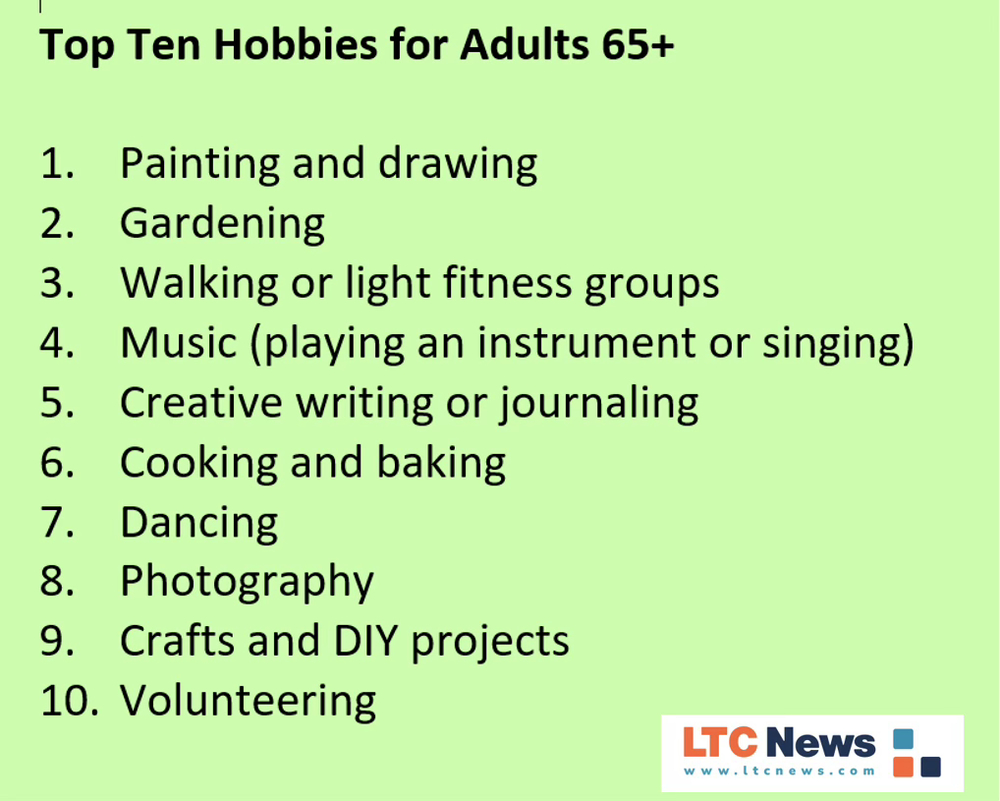
- 10 Creative Hobbies That Can Transform Retirement
- Health Impact of Staying Social
- How to Get Started Without Feeling Overwhelmed
- Retirement Is a New Beginning—Not a Withdrawal
- Final Thought: Connection Is Part of Your Long-Term Plan
Retirement can bring freedom—but also unexpected loneliness as daily routines and social connections change. This article explores creative hobbies that help you stay engaged, build new relationships, and maintain independence. You’ll discover practical ways to turn free time into meaningful connections and support long-term health and well-being.
You finally have the time you once wished for. No deadlines. No early alarms. No packed calendar. But after the novelty wears off, something unexpected can creep in—quiet, subtle, and often unspoken: loneliness.
Your daily interactions shrink. The routine that once anchored your day disappears. Even if your family is close, their lives are busy.
This isn’t uncommon. It’s part of a major life transition. The encouraging news? You can replace that loss of structure and connection with something meaningful. Creative hobbies don’t just fill time—they rebuild purpose, create relationships, and help you stay mentally and socially engaged.
Why Loneliness Often Follows Retirement
Retirement removes more than a job. It removes built-in social contact, shared goals, and a sense of identity tied to what you do each day.
You may notice:
- Fewer spontaneous conversations
- Less daily movement and activity
- Reduced sense of accomplishment
- More time alone than expected
According to the National Institute on Aging, social isolation in older adults is associated with higher risks of depression, cognitive decline, heart disease, and premature death.
Loneliness is not just emotional—it has real physical consequences.
Loneliness acts as a fertilizer for other diseases.” — Steve Cole, PhD, a researcher studying the biological effects of social isolation.
Staying socially and mentally engaged is more than a lifestyle choice. It can directly influence your long-term health and independence. Reduced isolation is linked to lower risks of cognitive decline and functional limitations—two key drivers of long-term care needs later in life.
How Creative Hobbies Rebuild Connection and Purpose
Creative activities work because they engage multiple aspects of healthy aging at once:
- Mental stimulation keeps your brain active
- Social interaction builds meaningful relationships
- Routine adds structure to your day
- Achievement boosts confidence
- Expression helps process emotions
Research published in the journal Aging & Mental Health (2023) found that participation in creative activities is associated with improved well-being and reduced loneliness in older adults.
Engaging in meaningful activities, especially those that involve creativity and social interaction, is strongly associated with better mental health and reduced loneliness in older adults. These activities provide a sense of purpose and belonging, which are essential for healthy aging.
Loneliness rivals smoking and obesity in its impact on shortening longevity.
Social connection is incredibly important. It’s linked to both physical and mental health outcomes. Loneliness is kind of a silent killer.” — Alison Rataj, research scientist at the Institute for Health Policy and Practice.
10 Creative Hobbies That Can Transform Retirement
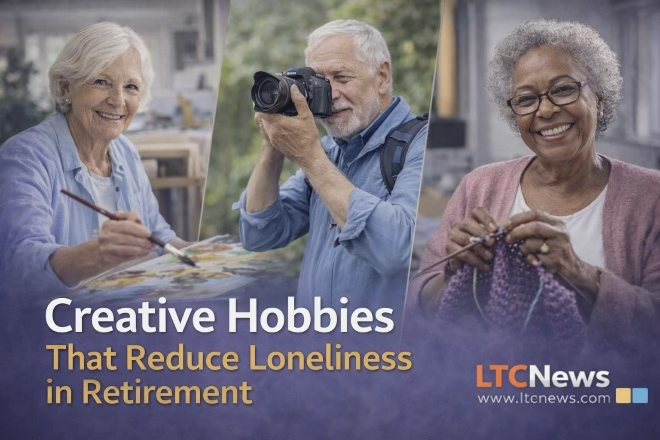
1. Painting and Drawing: A Path to Mindfulness and Community
You don’t need artistic talent to benefit from art; you just need to begin.
Painting and drawing allow you to express emotions that may be difficult to put into words. For many retirees, art becomes a form of therapy during life transitions.
Local classes and workshops offer more than instruction. They create natural opportunities for connection:
- Conversations happen easily in shared creative spaces
- Group feedback builds encouragement and camaraderie
- Friendships form through shared progress
Art also promotes mindfulness. Focusing on color, texture, and composition helps reduce stress and quiet mental noise.
2. Creative Writing: Turning Life Experience into Connection
You’ve lived a lifetime of stories worth preserving and sharing. Creative writing allows you to reflect, process, and connect. Whether you write memoirs, short stories, or journal entries, the act itself is meaningful.
The real power comes from sharing:
- Writing groups create safe, supportive environments
- Storytelling builds emotional connections
- Listening to others fosters empathy and understanding
Your story doesn’t just matter—it can inspire others.
3. Music and Singing: Immediate Social Belonging
Music connects people quickly and deeply. Joining a choir, band, or informal music group gives you instant inclusion and can be a lot of fun. You’re part of a team from the very first rehearsal.
Even beginners can benefit:
- Many groups welcome all skill levels
- Practice sessions double as social gatherings
- Performances create shared purpose
Music also supports cognitive function, particularly memory and processing speed, making it both emotionally and mentally enriching.
4. Cooking and Mixology: Creating Experiences, Not Just Meals
Cooking becomes more meaningful when it becomes social. You can expand beyond daily meals by:
- Joining cooking classes
- Hosting themed dinner gatherings
- Participating in supper clubs
- Learning mixology for entertaining
Food creates shared experiences. It brings people together in a relaxed, natural way. Your kitchen can become a place of connection, laughter, and creativity.
Some retirees even explore local bartending classes as a fun way to learn mixology skills and meet new people. These classes often combine hands-on learning with a relaxed social atmosphere, making them ideal for building connections.
5. Gardening: A Sense of Purpose You Can See Grow
Gardening offers something many retirees miss—a sense of progress and purpose. You plant, nurture, and watch something grow. Community gardens enhance that experience:
- Shared work builds natural conversation
- Knowledge exchange strengthens bonds
- Harvest sharing creates a sense of community
Spending time outdoors also supports mental health and reduces stress.
6. Crafting and DIY Projects: Social Without Pressure
Crafting is ideal if you want a connection without social pressure. Activities like knitting, woodworking, pottery, and quilting allow you to stay engaged while interacting naturally with others.
Benefits include:
- Low-pressure social environments
- Hands-on creativity that keeps the mind active
- Opportunities to create gifts or sell items
Crafting combines relaxation with purpose.
7. Creative Volunteering: Purpose with Impact
Volunteering becomes even more meaningful when creativity is involved.
You might:
- Teach art or music
- Support community theater
- Help organize local events
- Lead storytelling programs
According to AmeriCorps, older adults who volunteer report better mental health and stronger social connections. Feeling needed and valued can significantly reduce loneliness.
8. Photography: A Reason to Get Out and Engage
Photography encourages you to see the world differently.
It motivates you to:
- Leave the house regularly
- Explore new environments
- Engage with others through shared interests
Photography groups provide feedback, conversation, and shared experiences. It shifts your focus outward—away from isolation and toward discovery.
9. Dance: Movement with Meaningful Connection
Dance combines physical activity with emotional and social connection.
Options include:
- Ballroom dancing
- Line dancing
- Beginner group classes
Dance helps improve balance, coordination, and confidence while fostering interaction. Regular classes also restore structure and give you something to look forward to each week.
10. Book Clubs: Meaningful Conversations That Matter
Reading alone is enjoyable. Discussing books creates a connection.
Book clubs encourage deeper conversations about life, values, and experiences. These discussions often lead to meaningful friendships built on shared insight.
Health Impact of Staying Social
Social connection plays a critical role in healthy aging. The Centers for Disease Control and Prevention reports that social isolation is associated with a significantly increased risk of dementia, depression, and premature death.
From a planning perspective, this matters. Federal data from the U.S. Department of Health and Human Services shows that a majority of people reaching age 65 will require long-term care services.
Whether it be a hobby or even a part-time job, staying socially, mentally, and physically engaged may help delay or reduce that need. For example, if you decide to develop mixology skills, you might look into casual jobs for bartenders at community events or private gatherings. If you love gardening, working part-time at a garden center might be fun, and even get you employee discounts!
👉 While lifestyle habits like creative engagement support overall well-being, they are not a substitute for medical care. You should consult a healthcare professional for personal medical advice.
How to Get Started Without Feeling Overwhelmed
You don’t need to commit to a long-term plan right away. Start with:
- A one-day class or workshop
- Your local community or park district programs
- Online groups if mobility is limited
- Inviting a friend to join you
Stay open. The most rewarding hobby may be one you never expected.
Retirement Is a New Beginning—Not a Withdrawal
Loneliness in retirement is real—but it is not permanent. You now have something incredibly valuable: time. Time to reconnect with yourself. Time to explore. Time to build new relationships. Creative hobbies transform empty hours into meaningful experiences. They replace isolation with purpose and help you stay engaged, independent, and fulfilled.
👉 Ask yourself: What have you always wanted to try—but never had the time?
Final Thought: Connection Is Part of Your Long-Term Plan
The strongest retirement plans don’t just protect your finances; they protect your independence, your relationships, and your quality of life. Creative engagement helps you stay healthier and more connected as you age.
And when paired with thoughtful planning, such as Long-Term Care Insurance, you ensure access to quality care without burdening your family. Don't delay; most people start planning for long-term care as part of a comprehensive retirement plan before retirement.
👉 LTC News Long-Term Care Insurance Learning Center
Take steps today to make your current or future retirement more fulfilling, healthy, and active.
Frequently Asked Questions
Are there hobbies that also provide physical benefits?
Yes. Activities like dance, gardening, and even certain types of crafting can improve balance, coordination, and mobility. Staying physically active reduces fall risk and supports overall health as you age.
Can creative hobbies really improve mental health for older adults?
Yes. Research published in Aging & Mental Health (2023) shows that creative activities are associated with reduced loneliness, improved mood, and better overall well-being. Engaging in hobbies also helps reduce stress and can lower the risk of depression.
What is the easiest hobby to start right away?
Simple activities like walking with a group, journaling, cooking, or joining a book club are easy entry points. The most important step is to begin. Even small actions can lead to meaningful connections.
How can I find local hobby groups or classes near me?
You can start by checking:
- Local park districts or community centers
- Libraries and senior centers
- Faith-based organizations
- Online platforms like Meetup or Facebook groups
If you eventually need support at home, tools like the LTC News Caregiver Directory can also help you find local services that support independence.
Can hobbies lead to part-time work or extra income in retirement?
Yes. Many retirees turn hobbies into flexible opportunities. For example:
- Selling crafts at local markets
- Teaching art or music classes
- Working part-time at events or community venues
- Gardening or consulting at local nurseries
These opportunities provide both income and social interaction.
What if I’m not creative or have never tried these hobbies before?
You don’t need experience to start. Many classes and groups are designed specifically for beginners. The goal is not perfection—it’s participation. Trying something new can actually boost confidence and open the door to new friendships.
When should I start focusing on social engagement and long-term care planning?
The best time is before problems arise. Building strong social connections and healthy habits early can improve your quality of life and reduce future care needs. Planning ahead—including exploring Long-Term Care Insurance—helps protect your independence and avoid burdening your family.
How do hobbies help maintain independence as you age?
Creative hobbies keep your mind active, body engaged, and social connections strong. These factors are critical in maintaining independence. Staying engaged may help delay cognitive decline and reduce the likelihood of needing long-term care services later in life.
Does social isolation really affect physical health?
Yes. According to the Centers for Disease Control and Prevention, social isolation is associated with increased risks of dementia, heart disease, depression, and premature death. Staying socially engaged is a key part of healthy aging.
What are the best hobbies to reduce loneliness in retirement?
The best hobbies are those that combine creativity and social interaction. Popular options include painting, writing, music, gardening, dance, and book clubs. Activities that involve group participation tend to be most effective because they help you build relationships while staying mentally engaged.

Sponsored