Client-Directed Home Care in Canada: Who Qualifies, What It Covers, and How to Plan Ahead

About This Article
If you or a loved one needs help with daily activities but wants to remain at home, client-directed home care may offer a solution. Available in various forms in Calgary and all across Canada, these programs allow eligible individuals to have greater control over selecting caregivers and shaping care plans while receiving government-funded support.

Jacob Thomas
Jacob Thomas writes on health, wellness, and retirement topics, including aging, caregiving, insurance, and long-term care.
Table of Contents
- Canada's Aging Population Is Driving Demand for Home Care
- Why More Canadians Want to Age at Home
- What Is Client-Directed Home Care?
- How Canadians Qualify for Home Care Services
- Provincial Programs Can Differ Significantly
- Alberta Offers One of Canada's Most Developed Client-Directed Models
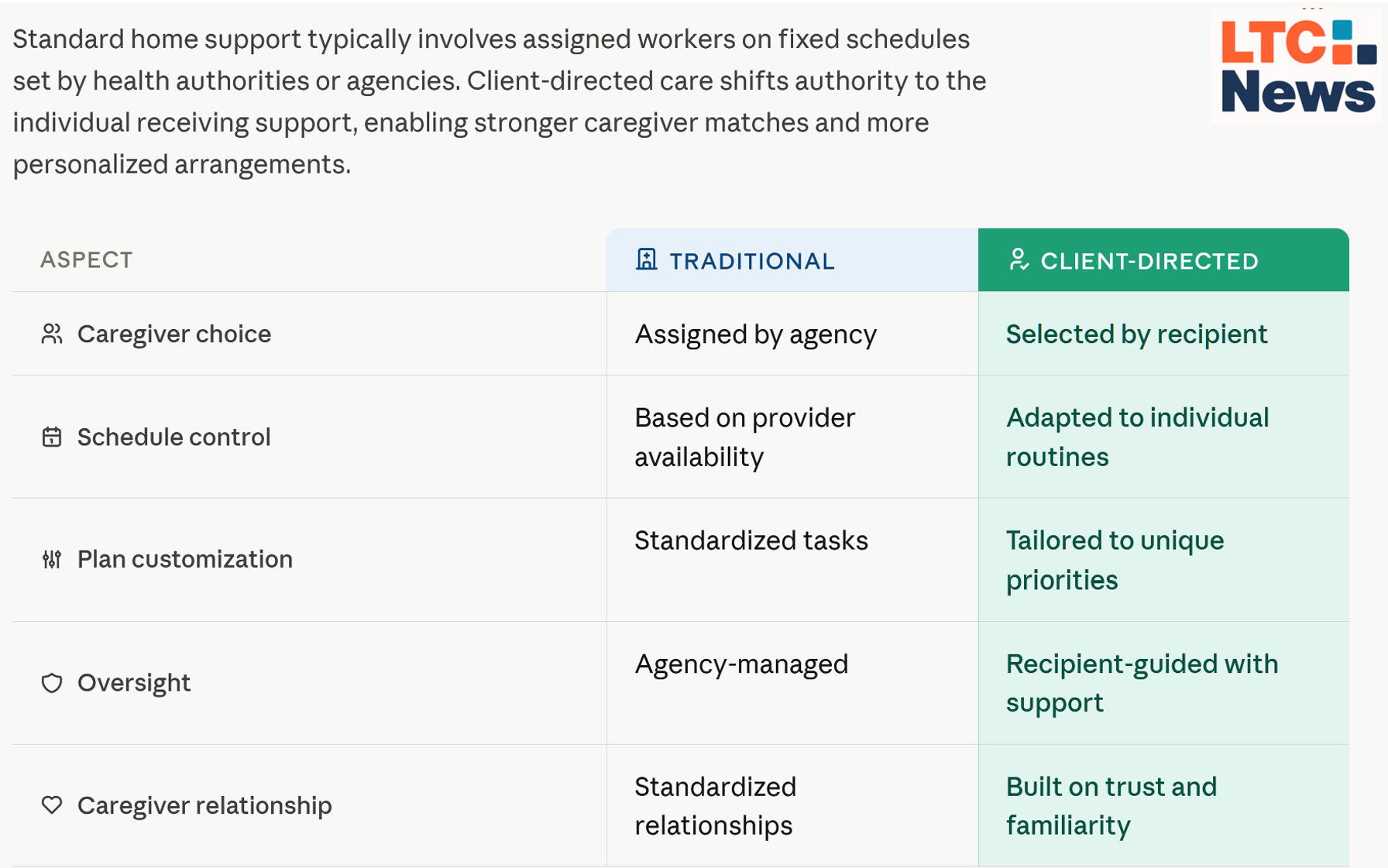
- Differences from Traditional Agency-Managed Care
- Benefits of Client-Directed Home Care
- Challenges Families Should Understand
- Growing Role of Family Caregivers
- When Home Care May No Longer Be Enough
- Understanding Private Home Care and Long-Term Care Insurance
- Long-Term Care Insurance Can Help Protect Retirement Income
- Why Early Planning Creates More Options
- Looking Ahead: More Canadians Will Need Home-Based Care
You want to remain in your own home as you age. For most Canadians, that preference never changes. Home is where routines are familiar, memories are made, and connections to family, friends, and community remain strongest. Yet health challenges, mobility limitations, and chronic illnesses can make living independently more difficult over time.
For many older adults, the question is not whether they will eventually need assistance but how they can receive that help while maintaining as much independence as possible.
Client-directed home care is becoming an increasingly important option for Canadians who need assistance but want greater control over how that care is delivered. Unlike traditional home care arrangements, where services are assigned through a health authority or agency, client-directed models allow eligible individuals to play a more active role in choosing caregivers, scheduling services, and tailoring support to their specific needs.
As Canada's population ages and pressure on health-care systems grows, understanding these programs has become more important for families planning for the future. No matter where you live in Canada, exploring Calgary client-directed home care or options in your province reveals how flexible arrangements work in practice, emphasizing choice and personalization.

Canada's Aging Population Is Driving Demand for Home Care
Canada is aging rapidly. According to Statistics Canada, adults age 65 and older now account for nearly one in five Canadians. That percentage is expected to increase significantly over the next two decades as baby boomers move into advanced retirement years.
At the same time, many older adults have fewer family members nearby to provide regular assistance than previous generations. Adult children often live farther from their aging parents than they did in the past.
Health-care workforce shortages are also creating challenges across many provinces. Home care agencies, long-term care homes, and hospitals continue to face staffing pressures that can affect access to services.
These demographic realities are driving increased interest in programs that help older adults remain safely at home while making more efficient use of limited health-care resources.
Why More Canadians Want to Age at Home
Most Canadians would prefer to remain at home rather than move into a long-term care facility. Aging in place offers several benefits. People maintain their independence, stay connected to their communities, and often enjoy a higher quality of life. Familiar surroundings can also provide emotional comfort and stability, especially for individuals managing chronic health conditions or early-stage cognitive decline.
Remaining at home can also help preserve social relationships and routines that contribute to emotional well-being.
However, aging at home often requires support. Many older adults eventually need help with bathing and personal hygiene, dressing and grooming, meal preparation, medication reminders, mobility assistance, housekeeping and laundry, transportation, and social engagement and companionship.
Family members frequently step in to help, but balancing caregiving responsibilities with work, raising children, and managing personal obligations can become overwhelming.

What Is Client-Directed Home Care?
Client-directed home care places more decision-making authority in the hands of the individual receiving care. Rather than having caregivers assigned through a traditional service model, participants may be able to select their own caregivers, hire approved family members where permitted, choose independent care providers, create personalized schedules, and direct how services are delivered.
Programs vary by province and territory and may be known as self-managed care, self-directed care, or individualized funding programs. Regardless of the name, the goal remains the same: giving people greater flexibility and control while ensuring care needs are met safely and effectively.
For many participants, the ability to choose who enters their home and assists with personal tasks creates a stronger sense of dignity and independence.
How Canadians Qualify for Home Care Services
Eligibility requirements differ across provinces and territories, but most publicly funded home care programs begin with a professional assessment. A care coordinator, nurse, or other health professional typically evaluates the individual's ability to perform daily activities, mobility limitations, cognitive status, medical conditions, safety concerns within the home, availability of family support, and overall care needs.
The assessment helps determine whether home care services are appropriate and what level of support may be required.
Generally, applicants must be residents of the province or territory, have valid provincial health coverage, and demonstrate a need for assistance due to aging, disability, or chronic illness.
Some client-directed programs also evaluate whether the individual—or a designated family member or representative—can effectively manage caregiver oversight and program requirements. The process can take time, particularly in areas where demand for services exceeds available resources. Families are often encouraged to begin exploring options before a crisis occurs.
Provincial Programs Can Differ Significantly
Unlike some countries with centralized health-care administration, Canada does not have a single national home care system. Each province and territory administers its own programs, resulting in differences in eligibility, service levels, wait times, and funding structures.
Alberta offers self-managed care options through provincial health programs. Ontario provides home and community care services coordinated through regional organizations. British Columbia supports a variety of home care and community-based services for eligible residents. Other provinces and territories operate similar programs with varying degrees of flexibility and client involvement.
Families should contact their provincial health authority or local home care office to learn about current eligibility requirements and available services. A good starting point is Canada's Health Care System overview.
Because programs differ, two individuals with similar care needs may receive different levels of support depending on where they live.
Alberta Offers One of Canada's Most Developed Client-Directed Models
If you live in Calgary or elsewhere in Alberta, you have access to one of the most clearly defined client-directed home care frameworks in the country.
Alberta Health Services (AHS) offers two distinct options. The Client Directed Home Care Invoicing (CDHCI) program, launched provincially in 2023, allows eligible Albertans to choose from a list of AHS-approved private agencies while Alberta Blue Cross handles billing directly on their behalf. The older Self-Managed Care program remains available for those who prefer to hire and manage caregivers independently, though it requires clients to handle their own payroll and administrative responsibilities.
A few features make Alberta's model stand out from most other provinces. Approved agencies bill Alberta Blue Cross directly on the client's behalf, so clients know what the program covers without managing reimbursement paperwork. Hourly rates vary by provider and can be compared using the interactive map on the Alberta Blue Cross CDHCI page. Albertans are also free to choose any approved provider regardless of where they live, removing the geographic restrictions that have traditionally limited home care choice in many regions.
Alberta's continuing care framework also underwent significant regulatory changes in 2024. The Continuing Care Act and updated standards took effect April 1, 2024, and a previous coordinating regulation was repealed October 31, 2024. Families exploring home care in Alberta should confirm current service availability directly with their AHS case manager, as offerings can vary by location.
To start the process, Albertans can call Health Link at 811 to request an assessment or contact their local AHS home care office.
Differences from Traditional Agency-Managed Care
How Canada's Home Care System Compares with the United States and United Kingdom
Canada's approach to home care falls somewhere between those of the United States and the United Kingdom. In Canada, publicly funded home care is administered by provinces and territories. Eligible residents may receive nursing care, personal assistance, and support services through government-funded programs, although service levels, availability, and wait times vary by region.
The United Kingdom operates one of the world's most established publicly funded care systems through the National Health Service and local authorities. While medical services are broadly covered, social care often involves financial assessments, and many individuals contribute toward the cost of personal care services depending on income and assets.
The United States relies much more heavily on private funding and insurance. Medicare generally pays only for limited, short-term skilled home health services following illness or hospitalization. Ongoing custodial care—such as assistance with bathing, dressing, supervision, or meal preparation—is typically paid for out of pocket, through Long-Term Care Insurance, or through Medicaid for individuals who meet strict income and asset requirements.
As a result, Canadians often receive greater public support for home care than Americans. However, Canadians may also experience longer wait times and greater regional differences in service availability. British residents generally receive broader access to publicly funded health services, but often face financial assessments when long-term personal care becomes necessary.
Across all three countries, policymakers increasingly recognize that helping older adults remain safely at home can improve quality of life while reducing pressure on hospitals and institutional care settings.
Benefits of Client-Directed Home Care
Many families appreciate the flexibility and personalization these programs provide.
- Greater Personal Choice
Participants often have more influence over who provides care and when services are delivered.
- Consistency of Care
Working with the same caregiver regularly can help build trust, familiarity, and stronger relationships.
- Cultural and Language Compatibility
Families may select caregivers who understand specific cultural traditions, religious practices, or language preferences.
- Flexible Scheduling
Support can often be tailored around individual routines rather than provider availability.
- Greater Independence
Individuals remain active participants in decisions about their daily lives and care arrangements. For many people, maintaining control over daily routines can be just as important as receiving assistance itself.
Challenges Families Should Understand
Client-directed care is not the right fit for everyone. Managing caregivers, schedules, and documentation can create additional responsibilities. Challenges can include recruiting caregivers, coordinating schedules, maintaining records, arranging backup care, and understanding program rules and reporting requirements.
Caregiver shortages in some communities can make it more difficult to find qualified workers. Rural areas often face additional challenges due to limited provider availability. Some families choose to combine publicly funded services with private-pay home care to create a more comprehensive support system.
Growing Role of Family Caregivers
Family caregivers remain the foundation of long-term care across Canada. Spouses, adult children, and other relatives often provide transportation, meal preparation, medication management, and personal care assistance. Family caregivers can devote significant time each year to helping loved ones remain at home.
While caregiving can be deeply rewarding, it can also lead to emotional stress, financial strain, and burnout. Many caregivers reduce work hours, pass up career opportunities, or spend personal savings to help support aging family members.
Client-directed care programs may help ease some of that burden by allowing families to customize support arrangements that better fit their unique circumstances. Still, family caregivers also need support. Respite services, adult day programs, support groups, and community organizations can help reduce caregiver stress while improving outcomes for both caregivers and care recipients.
For residents of the United States, the LTC News Caregiver Directory can help you find local caregivers and long-term care facilities.
When Home Care May No Longer Be Enough
Home care can help many individuals remain independent for years. However, advancing dementia, increasing medical complexity, or growing safety concerns may eventually require a higher level of support.
Families may need to consider assisted living, supportive housing, memory care, long-term care homes, or skilled nursing services. Planning allows families to explore options before urgent decisions become necessary. Waiting until a health emergency occurs often limits choices and increases stress for everyone involved.
Understanding Private Home Care and Long-Term Care Insurance
Publicly funded home care programs provide valuable support, but they rarely cover everything you may need. Many Canadian families discover that government-funded assistance is limited to essential care tasks and may not provide enough hours of support to meet growing needs. Wait times, caregiver shortages, and regional differences can also affect access to services.
Some families supplement publicly funded programs with private-pay home care. These services can offer additional flexibility, expanded schedules, and specialized support—including dementia care, companionship, transportation, and overnight supervision.
Private home care can be expensive. Costs vary by province and provider, but extended care needs can place significant financial pressure on retirement savings and family finances.
Long-Term Care Insurance Can Help Protect Retirement Income
Some Canadians use Long-Term Care Insurance to help pay for future extended care expenses. These policies are designed to provide benefits when an individual requires assistance with activities of daily living—such as bathing, dressing, transferring, toileting, continence, or eating—or when cognitive impairment requires substantial supervision.
Benefits may help cover care received at home, in adult day programs, assisted living residences, memory care communities, or nursing homes and long-term care facilities. Coverage varies by insurer and policy design. Most LTC policies are purchased before retirement when applicants are generally healthier and more likely to qualify for coverage.
It is worth noting that the LTC Insurance market in Canada is more limited than in the United States, with fewer carriers offering these products. A Canadian-licensed insurance professional can help you understand what options are currently available and whether coverage makes sense for your situation.
Disclaimer: This article is provided for educational purposes only and does not constitute financial, insurance, or legal advice. Long-Term Care Insurance products, availability, and eligibility requirements vary by province and insurer. Consult a qualified, Canadian-licensed insurance or financial professional before making any coverage decisions.
Why Early Planning Creates More Options
Whether families rely on public programs, private resources, or insurance solutions, planning before a health crisis occurs often provides the greatest flexibility.
Waiting until care is urgently needed can limit choices and increase financial stress. Understanding available government programs, evaluating personal resources, and discussing care preferences with loved ones can help families develop a strategy that supports independence while preparing for future care needs.
For many Canadians, the goal is not simply paying for care. It is preserving choice, protecting retirement assets, and ensuring access to quality services when they are needed most.
Looking Ahead: More Canadians Will Need Home-Based Care
Demand for home and community-based services will continue to grow as Canada's population ages. Governments, health-care providers, and policymakers increasingly recognize that helping people remain safely at home often improves quality of life while reducing pressure on hospitals and institutional care settings.
Client-directed home care represents one important solution. By giving individuals greater control over how care is delivered, these programs can help Canadians maintain independence, remain connected to their communities, and continue living where they feel most comfortable—at home.
Starting before care becomes urgent gives families time to understand how home care works, explore available resources, and discuss preferences with loved ones—reducing uncertainty and improving quality of life when it matters most.
Frequently Asked Questions
Does every province offer client-directed home care?
Programs differ significantly across Canada. While many provinces offer some form of self-directed or client-directed care, eligibility rules, funding structures and available services vary. Families should contact their provincial health authority for current information.
Can I choose my own caregiver?
Many client-directed programs allow participants to select approved caregivers or agencies. Some provinces also permit family members to serve as paid caregivers under specific circumstances.
How is Canada's home care system different from the United States?
Canada generally provides more publicly funded home care services than the United States. In contrast, Americans often rely on personal savings, Long-Term Care Insurance or Medicaid for ongoing custodial care. Medicare typically covers only short-term skilled home health services under specific conditions.
How does Alberta's client-directed home care program work?
Alberta offers one of Canada's most developed client-directed care systems. Through the Client Directed Home Care Invoicing program, eligible residents can select approved providers while Alberta Blue Cross handles billing directly. Alberta also offers a Self-Managed Care option for those who prefer to hire and manage caregivers independently.
Does Canada have Long-Term Care Insurance?
Yes. Long-Term Care Insurance is available in Canada, although the market is smaller than in the United States. These policies can help pay for care received at home, in assisted living residences, memory care communities and nursing facilities when policy benefit triggers are met.
How do I apply for home care services?
Applications typically begin through a provincial health authority, local home care office or health-care provider. An assessment is conducted to determine eligibility and identify the level of support required.
What services are typically covered by publicly funded home care?
Covered services often include personal care, bathing assistance, dressing, mobility support, medication reminders, meal preparation and some housekeeping tasks. The specific services available depend on the province and the individual's assessed needs.
What challenges should families consider?
Managing caregivers, schedules and program requirements can create additional responsibilities. Families may need to recruit caregivers, maintain records, arrange backup coverage and navigate administrative requirements.
What are the benefits of client-directed home care?
Many families value the flexibility these programs offer. Benefits can include greater caregiver choice, more personalized care, scheduling flexibility, improved cultural or language compatibility and increased independence.
Is home care free in Canada?
Many medically necessary home care services are publicly funded. However, government programs may not cover all services or provide enough hours to meet every need. Some families choose to purchase additional private-pay home care.
What is client-directed home care?
Client-directed home care is a government-funded model that allows eligible individuals to have greater control over their care. Depending on the program and province, participants may be able to select caregivers, choose approved providers, create schedules and help direct how services are delivered.
Can family members be paid to provide care?
In some provinces, certain family members may be eligible to receive compensation for providing care. Rules differ by program, so families should confirm eligibility requirements with their provincial home care authority.
Who qualifies for client-directed home care in Canada?
Eligibility varies by province and territory. Most programs require an assessment by a nurse, care coordinator or other health-care professional to determine whether an individual needs assistance because of aging, disability, chronic illness or recovery from a medical condition.
What if home care is no longer enough?
As care needs increase, families may need to explore assisted living, supportive housing, memory care communities, long-term care homes or skilled nursing facilities. Planning ahead can help families make informed decisions before a crisis occurs.
How is Canada's system different from the United Kingdom?
The United Kingdom provides broad access to publicly funded health care through the National Health Service. However, many long-term personal care services are subject to financial assessments, and individuals may be required to contribute toward the cost of care based on income and assets.

Sponsored