Best Vitamins and Supplements Women Over 40 Should Know About, According to Research
About This Article
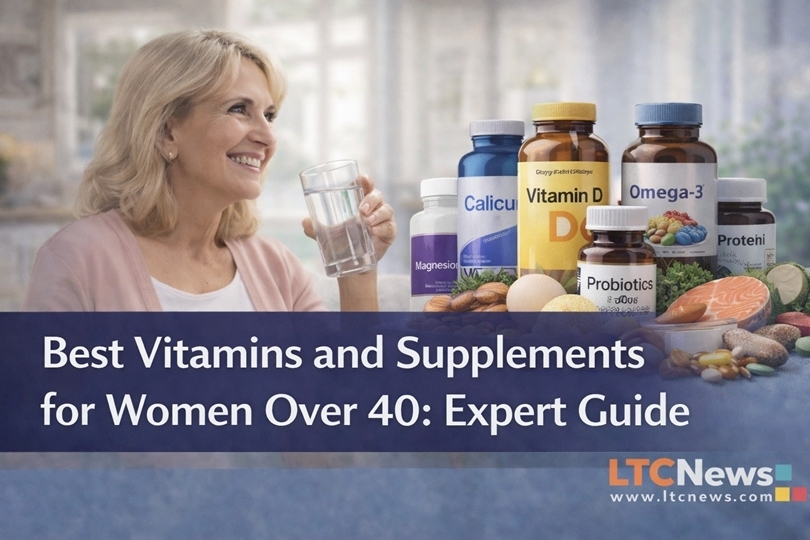
Research-backed guide to vitamins and supplements women over 40 may consider, including vitamin D, omega-3, magnesium, probiotics, and nutrients supporting healthy aging.

Dr. Aditi Yadav, MDS
Dr. Aditi Yadav, MDS, is a dedicated healthcare professional with a focus on clinical research and evidence-based wellness.
Table of Contents
- How Perimenopause Affects Nutrition
- Do Supplements Matter for Women After 40?
- Key Nutrients Women Over 40 Often Consider
- Emerging Supplements Some Women Explore
- Do All Women Over 40 Need Supplements?
- Nutrition in Your 40s Can Shape Your Health Later
- Frequently Asked Questions About Supplements and Nutrition for Women Over 40
Your health likely becomes an even bigger priority as you move through life. You want the strength, clarity, energy, and resilience to handle everything—from work and family to staying active and enjoying your personal time. But as a woman, when you enter your 40s, your body begins to change. Shifts in hormones, muscle metabolism, bone health, and recovery can make certain nutrients more important than they were just a decade earlier.
Muscle tone becomes harder to maintain. Hormones fluctuate as your body gradually transitions toward menopause. These changes are normal, but they can affect how your body absorbs and uses nutrients.
According to the National Institute on Aging, metabolic and hormonal changes in midlife can alter nutritional needs and influence bone health, muscle mass, and cardiovascular risk.
Women entering their 40s and 50s often experience metabolic and hormonal shifts that influence bone health, muscle mass, and cardiovascular risk. — Dr. Stephanie Faubion, M.D., the director for the Center for Women's Health at the Mayo Clinic, medical director for The Menopause Society, and member of the WeightWatchers Scientific Advisory Board.
A balanced diet remains the foundation of good health. However, I see in my profession that perimenopause and lifestyle changes can make it harder for some women to maintain optimal nutrient levels through diet alone.
How Perimenopause Affects Nutrition
Perimenopause, the transitional stage before menopause, can begin in the early to mid-40s. Hormone fluctuations during this time may affect metabolism, mood, sleep, and bone density.
Estrogen plays a major role in many body systems. As levels begin to decline, several health risks may gradually increase, including:
- Bone density loss
- Changes in body composition
- Increased inflammation
- Sleep disruption
- Mood changes
- Greater risk of cardiovascular disease
Nutrition becomes increasingly important during perimenopause because hormonal changes can influence metabolism, bone health, and energy levels, — Dr. Pelin Batur, women's health specialist at the Cleveland Clinic, speaking on the Cleveland Clinic Health Essentials Podcast.
Because of these shifts, some women begin paying closer attention to specific nutrients that support healthy aging.
Do Supplements Matter for Women After 40?
Women in their 40s often balance careers, families, fitness routines, and daily responsibilities. Maintaining stamina, mental clarity, and recovery becomes increasingly important during this stage of life.
At the same time, many women begin to experience these perimenopausal changes, which may influence nutritional needs. These changes can include:
- Hormonal fluctuations affect bone density.
- Decline in muscle mass and weight
- Decreased nutrient absorption
- Changes in cognitive and emotional states
- Skin and hair changes
- Fatigue and sleep changes
- Risk of chronic disease increases due to the decrease in estrogen levels.
Because of these changes, some women pay closer attention to specific nutrients and review the benefits of vitamins and supplements for women over 40 as part of their overall health strategy.
Key Nutrients Women Over 40 Often Consider
Vitamin D: Supporting Bone Strength and Immunity
Vitamin D helps the body absorb calcium and plays an important role in immune function, muscle health, and bone density.
Deficiency becomes more common with age, especially for individuals who spend limited time in sunlight.
The National Institutes of Health Office of Dietary Supplements notes that vitamin D deficiency is widespread among adults.
Food sources include:
- Egg yolks
- Fatty fish such as salmon and mackerel
- Fortified dairy products
- Fortified plant-based beverages
Vitamin D deficiency is common in adults, particularly in northern climates or among individuals with limited sun exposure. — Dr. JoAnn Manson, professor of medicine at Harvard Medical School and chief of preventive medicine at Brigham and Women’s Hospital.
If blood tests reveal low levels, a physician may recommend supplements.
Omega-3 Fatty Acids: Brain and Heart Support
Omega-3 fatty acids, particularly EPA and DHA, support cardiovascular health, brain function, and inflammation regulation. Researchers have also explored their role during menopause.
A 2025 review published in Post Reproductive Health found omega-3 fatty acids may support brain health during the menopausal transition.
Natural sources include:
- Salmon and sardines
- Walnuts
- Flaxseed
- Chia seeds
Omega-3 fatty acids, particularly EPA and DHA, play an important role in brain health and may help reduce inflammation in the body. Research has also examined their potential benefits during midlife. In some studies, women between the ages of 40 and 55 who experienced psychological stress and took omega-3 supplements for a period of time reported improvements in certain stress-related symptoms.
Women who rarely eat fish may discuss omega-3 supplementation with their healthcare provider.
Calcium: Protecting Bone Density
Bone density naturally declines with age, particularly as estrogen levels begin to fall. Women face a significantly higher risk of osteoporosis than men, according to the National Osteoporosis Foundation.
Calcium-rich foods include:
- Dairy products
- Sardines or canned salmon with bones
- Leafy green vegetables
- Fortified plant milks
Experts generally recommend meeting calcium needs through food first, using supplements only when dietary intake is insufficient.
Collagen: Benefits Skin
Collagen can also be a helpful supplement for women over 40 because it supports the parts of the body most affected by natural age‑related changes. Collagen is a protein naturally produced by the body that helps maintain skin structure and elasticity. Many natural skincare products, along with nutritional supplements, include collagen or ingredients intended to support collagen production.
Results can vary between individuals, and maintaining healthy skin generally involves a combination of good nutrition, sun protection, and consistent skincare habits.
Protein: Preserving Muscle Mass
Beginning in midlife, women gradually lose muscle mass through a process known as sarcopenia. Adequate protein intake helps maintain muscle strength, metabolism, and mobility.
Experts at the Mayo Clinic say that adults should spread protein intake throughout the day and include high-quality protein sources at meals,” according to nutrition experts at the Mayo Clinic Health System.
Healthy protein sources include:
- Fish and seafood
- Eggs
- Lean poultry
- Beans and lentils
- Nuts and seeds
- Greek yogurt
Magnesium: Sleep, Stress, and Muscle Function
Magnesium supports more than 300 biochemical processes in the body. Beyond muscle relaxation and nerve signaling, magnesium's role in the body also includes supporting energy production and maintaining healthy bones.
It plays a role in:
- Muscle relaxation
- Sleep quality
- Nerve signaling
- Stress response
Magnesium-rich foods include:
- Almonds and cashews
- Spinach
- Brown rice
- Whole grains
- Black beans
Some women consider supplements if dietary intake is insufficient or if symptoms such as muscle cramps or sleep disturbances occur.
Vitamin B12: Energy and Nerve Health
Vitamin B12 supports red blood cell production, brain function, and nerve health. Absorption may decline with age because stomach acid levels decrease.
People at greater risk of deficiency include:
- Adults over 50
- Vegetarians or vegans
- Individuals with digestive disorders
Symptoms of deficiency may include fatigue, memory problems, or tingling sensations in the hands and feet.
Emerging Supplements Some Women Explore
Ashwagandha
Ashwagandha is an herbal supplement studied for its potential role in stress management. The NIH Office of Dietary Supplements notes that research suggests ashwagandha may help reduce perceived stress and improve sleep in some individuals, though more research is needed.
Curcumin
Curcumin, the active compound in turmeric, has been widely studied for its anti-inflammatory effects. A 2024 review in Geroscience found curcumin may influence pathways involved in aging and inflammation.
A randomized controlled trial published in BMJ Open (2025) also suggested curcumin supplementation may reduce fatigue and musculoskeletal symptoms in postmenopausal women.
Fiber and Probiotics for Gut Health
Gut health plays an increasingly important role in metabolism, immunity, and inflammation. Fiber supports digestive health and stable blood sugar levels.
Fiber-rich foods include:
- Fruits and vegetables
- Whole grains
- Beans and lentils
- Nuts and seeds
Probiotics help maintain a healthy gut microbiome. A 2024 meta-analysis in Current Research in Food Science found probiotic supplementation showed moderate benefits for weight management and metabolic health in overweight women.
Do All Women Over 40 Need Supplements?
Not necessarily. Many women meet their nutritional needs through diet and lifestyle alone. Whether supplements are helpful depends on several factors:
- Diet quality
- Blood test results
- Medical history
- Medication use
- Lifestyle habits
The U.S. Food and Drug Administration says that dietary supplements should complement, not replace, a healthy diet. A healthcare professional can help determine whether supplementation is appropriate.
Nutrition in Your 40s Can Shape Your Health Later
Midlife health habits often influence how well you age. Maintaining strong bones, healthy muscles, and a balanced metabolism during your 40s and 50s can reduce the risk of frailty, falls, and chronic disease later in life.
These factors can also influence whether someone remains independent or eventually requires assistance with daily activities and the need for long-term care.
Supplements may support health in some cases, but they work best alongside balanced nutrition, regular physical activity, and preventive medical care.
Taking a proactive approach to your health can pay dividends later in life. For women, who tend to live longer than men and often require long-term care for a longer period, these choices can make a meaningful difference. Staying on top of your health and planning ahead should be part of your overall retirement strategy.
Make regular visits to your doctor and keep up with recommended screenings, tests, and lab work. It’s also wise to review your financial and retirement plans, including whether adding Long-Term Care Insurance could help ensure access to quality extended care if you need it in the future.
Aging brings challenges, but preparation can help you maintain independence and enjoy more healthy years before any decline.
Frequently Asked Questions About Supplements and Nutrition for Women Over 40
Why do nutritional needs change for women after 40?
Hormonal and metabolic changes during perimenopause and menopause can affect bone density, muscle mass, energy levels, sleep, and cardiovascular health. These changes may increase the importance of certain nutrients as you age.
What is perimenopause and how does it affect your health?
Perimenopause is the transitional phase before menopause that often begins in your 40s. Hormone fluctuations during this time can impact metabolism, mood, sleep, weight, and bone health.
What vitamins are most important for women over 40?
Commonly discussed nutrients for women over 40 include:
- Vitamin D
- Calcium
- Magnesium
- Vitamin B12
- Omega-3 fatty acids
- Protein
- Fiber and probiotics
These nutrients may support bone health, muscle strength, heart health, brain function, digestion, and healthy aging.
Why is vitamin D important after age 40?
Vitamin D helps your body absorb calcium and supports bone strength, muscle health, and immune function. Deficiency becomes more common with age, especially in people with limited sun exposure.
Can omega-3 supplements help women during menopause?
Omega-3 fatty acids may support heart health, brain function, inflammation control, and stress management during menopause and midlife transitions.
Why does bone health become more important after 40?
As estrogen levels decline, women lose bone density more rapidly, increasing the risk of osteoporosis and fractures. Calcium, vitamin D, exercise, and protein all play important roles in maintaining bone strength.
How does protein help women age healthier?
Protein helps preserve muscle mass, mobility, metabolism, and strength. Muscle loss naturally accelerates with age, making adequate protein intake increasingly important after 40.
What are signs of vitamin B12 deficiency in older women?
Possible symptoms include:
- Fatigue
- Memory problems
- Tingling in the hands and feet
- Weakness
- Difficulty concentrating
Absorption of vitamin B12 may decrease with age.
Can magnesium help with sleep and stress?
Magnesium supports muscle relaxation, nerve function, stress response, and sleep quality. Some women explore magnesium supplements if they experience sleep issues, muscle cramps, or inadequate dietary intake.
Are supplements necessary for every woman over 40?
No. Many women meet their nutritional needs through a balanced diet and healthy lifestyle. Whether supplements are needed depends on factors such as diet, medical history, medications, lab results, and overall health.
What foods naturally support healthy aging in women?
Helpful foods include:
- Fatty fish
- Leafy greens
- Nuts and seeds
- Beans and lentils
- Whole grains
- Greek yogurt
- Fruits and vegetables
These foods provide nutrients that support bone, heart, brain, and digestive health.
What role does gut health play after 40?
Gut health can affect digestion, metabolism, immunity, inflammation, and weight management. Fiber and probiotics may help support a healthy gut microbiome during midlife and beyond.
Can healthy habits in your 40s reduce future long-term care needs?
Yes. Maintaining strong bones, muscle strength, mobility, and overall health may reduce the risk of falls, frailty, chronic illness, and loss of independence later in life.
Why should women think about Long-Term Care Insurance in midlife?
Women tend to live longer than men and often require long-term care services for a longer period. Planning ahead with Long-Term Care Insurance can help protect retirement savings and provide access to quality care later in life.
Should you talk to your doctor before taking supplements?
Yes. A healthcare professional can review medications, lab results, medical history, and nutritional needs to determine whether supplements are appropriate and safe for you.
Frequently Asked Questions
Are omega-3 supplements necessary in midlife?
Omega-3 fatty acids are important nutrients found in foods such as fatty fish, walnuts, flaxseeds, and certain plant oils. Many people obtain sufficient omega-3s through their diet. If dietary intake is low, a healthcare provider may recommend omega-3 supplements to support heart and overall health.
Why is my skin suddenly dry or more wrinkled?
Skin naturally changes with age. The body gradually produces less collagen and natural oils, which can lead to dryness and the appearance of fine lines. Sun exposure, hydration, skincare routines, and lifestyle habits can also affect skin health. Many people adjust their skincare products and routines as their skin’s needs evolve.
Does collagen help aging skin?
Collagen is a protein naturally produced by the body that helps maintain skin structure and elasticity. Many skincare and nutritional products include collagen or ingredients intended to support collagen production. Results can vary between individuals, and maintaining healthy skin generally involves a combination of good nutrition, sun protection, and consistent skincare habits.
Why am I more tired after turning 40?
Energy levels can change over time. Factors such as sleep quality, stress, hormone changes, diet, physical activity, and work schedules can all affect how energetic you feel. Maintaining regular sleep habits, eating balanced meals, managing stress, and staying physically active may help support steady energy levels.
Why do my knees hurt more after turning 40?
It is common to notice changes in joint comfort as you age. Over time, cartilage naturally experiences wear and tear, and factors such as physical activity, past injuries, body weight, and posture can affect how your joints feel. Staying physically active, maintaining a healthy weight, and supporting joint strength through exercise may help promote overall joint health.
Do I need calcium supplements if I drink milk daily?
Milk and dairy products are good natural sources of calcium. However, individual calcium needs can vary depending on age, diet, bone health, and lifestyle. Some people may meet their needs through food alone,, while others may benefit from supplements. A healthcare provider can help determine whether additional calcium is necessary.

Sponsored
