Seasonal Travel Vehicles - Prioritize Comfort, Safety, and Access for Older Adults

About This Article
If you, like many seniors, travel south for the winter or spend summers on the road, the right vehicle matters more than you think. Choosing wisely can protect your safety, comfort, and independence for years to come.

Jacob Thomas
Jacob Thomas writes on health, wellness, and retirement topics, including aging, caregiving, insurance, and long-term care.
You plan your seasonal travel carefully. You pick the destination, the timing, and the place you’ll call home for part of the year. But the vehicle that gets you there often receives less attention than it deserves.
For older adults and retirees, a seasonal travel vehicle is not just transportation. It is your lifeline to independence, comfort, and safety. The wrong choice can turn a relaxing migration into a stressful and expensive ordeal. The right one can make every mile easier and more enjoyable.
Here is how you find a vehicle that truly fits your seasonal lifestyle.
Understand Your Seasonal Travel Pattern First
Before you compare models or prices, you need clarity on how you actually travel. If you drive thousands of miles each season, reliability, fuel efficiency, and highway comfort matter most. Long-distance driving places sustained stress on engines, transmissions, and suspensions. Vehicles that perform well for daily errands do not always hold up as well on cross-country trips.
If your travel distances are shorter, comfort and cargo space may take priority over maximum fuel economy. Many seasonal travelers transport more than suitcases, including seasonal clothing, medical equipment, hobby gear, and household items that move with them each year.
Also consider whether you travel alone, with a spouse or partner, or with a caregiver or family member. Each additional passenger brings added space needs. A vehicle should comfortably accommodate everyone, along with luggage, medical equipment, and personal belongings, without crowding or compromising safety.
Finding a qualified caregiver who is willing to travel can be a problem. Use the LTC News Caregiver Directory to search for the best options where you live.
Climate matters just as much as mileage. A vehicle that starts reliably in northern winters must also handle extreme summer heat if your route includes deserts or southern states. Strong air conditioning is essential, especially for older adults sensitive to heat. Heating reliability matters too, even for summer travel, when mountain or northern temperatures can drop unexpectedly.
Look Closely at Mileage and How the Vehicle Was Used
Seasonal vehicles often have unusual mileage patterns, and those patterns tell an important story. A car driven 8,000 miles a year, almost entirely on highways, may be in better condition than one driven the same mileage in stop-and-go city traffic.

Highway miles are typically easier on engines and brakes. At the same time, vehicles that sit unused for months face different risks. Long periods of inactivity can lead to battery drain, tire flat-spotting, brake corrosion, and fuel system issues.
Understanding how long a vehicle sat idle between trips helps predict future maintenance needs. Be cautious with very low mileage on older vehicles. A 10-year-old car showing only 40,000 miles may be legitimate, but it can also signal odometer problems or incomplete records. Look for steady, logical mileage progression rather than long gaps or sudden jumps.
Decide Whether New or Used Makes More Sense for You
New vehicles offer predictability. Factory warranties and included roadside assistance provide peace of mind, especially when you are far from your primary residence. You know the maintenance history because you create it.
For many seasonal travelers, that reassurance is worth the higher purchase price. Used vehicles can deliver excellent value if you are willing to do your research. Professional verification services like FAXVIN reports reveal comprehensive vehicle histories that help you avoid purchasing units with hidden problems.
Lower upfront costs may allow you to choose a higher trim level with better seats, quieter cabins, and advanced safety features that make long trips easier on your body.
Whichever path you choose, verifying a vehicle’s history is essential. Accident damage, title issues, flood exposure, and inconsistent maintenance records can all affect long-term reliability. Problems that seem minor around town can become serious hundreds of miles from home.
Balance Fuel Efficiency with Comfort and Space
Fuel costs add up quickly during seasonal travel. Over 10,000 miles a year, a vehicle averaging 30 miles per gallon can save hundreds of dollars compared with one getting 20 miles per gallon. But fuel efficiency should not come at the expense of comfort.
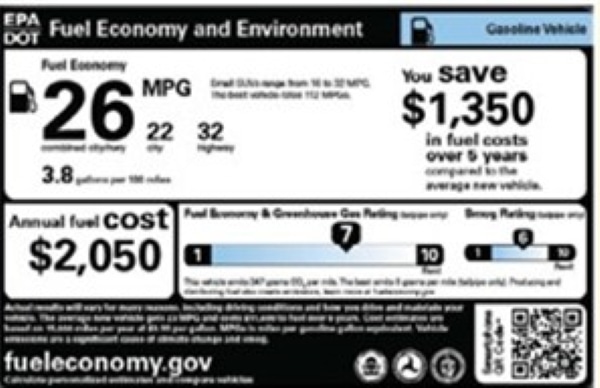
Smaller vehicles may feel cramped on long drives and struggle to carry the belongings many seasonal travelers bring. Mid-size SUVs and crossovers often provide the best balance of fuel economy, ride comfort, cargo space, and easier entry and exit for aging joints.
If you rely on roof cargo boxes or hitch-mounted carriers, remember that added weight and wind resistance affect handling and mileage. Test your typical packing setup before committing to a vehicle so there are no surprises later.
Prioritize Safety and Driver-Assist Technology
Long highway drives require sustained focus, and fatigue increases the risk of accidents. Modern safety features can make a meaningful difference, especially for older drivers.
Blind-spot monitoring reduces stress during lane changes. Adaptive cruise control helps maintain safe distances and lowers fatigue. Lane departure warnings provide an extra layer of protection when attention slips.
Backup cameras and parking sensors are invaluable in unfamiliar rest stops and crowded seasonal destinations. Navigation systems with real-time traffic updates help you avoid construction delays and accidents that can turn an easy day into an exhausting one.
These features are not luxuries. For many seniors, they support safer, longer driving independence.
Vehicles That Work Best for Older Adults with Limited Mobility
As mobility changes with age, the right vehicle can make the difference between independence and daily frustration. For older adults, ease of entry and exit is often more important than horsepower or styling. Vehicles with a moderate ride height, such as compact and mid-size SUVs, tend to work best. They sit high enough to avoid deep bending but low enough to prevent climbing, reducing strain on knees, hips, and backs.
Wide door openings and higher rooflines matter more than many buyers realize. These features allow you to step in and out without twisting or ducking, which is especially helpful if you use a cane, walker, or have balance issues.
Sliding doors, commonly found on minivans, can be an excellent option for those with more significant mobility limitations because they eliminate the need to maneuver around tight parking spaces.
Inside the vehicle, power-adjustable seats, lumbar support, and seat memory settings improve comfort and reduce fatigue on longer drives. Heated seats can ease joint stiffness, while adjustable steering wheels help drivers find a safe, comfortable position.
For those with limited upper-body strength, hands-free liftgates and push-button start systems reduce physical effort during everyday tasks.
Safety technology also plays a critical role for drivers with reduced mobility or slower reaction times. Features such as blind-spot monitoring, adaptive cruise control, and parking assist systems help compensate for physical limitations while supporting confidence behind the wheel.
These tools are not about taking control away from the driver. They are about extending safe driving years and preserving independence for as long as possible.
Walkers and Wheelchairs - Room for Storage
Storage space becomes especially important if you use a walker, rollator, or wheelchair. Vehicles with a low, wide cargo opening make lifting and loading mobility aids safer and easier, reducing strain on shoulders and backs.
Many mid-size SUVs and minivans can accommodate a folded walker without removing wheels, while larger cargo areas may allow a lightweight wheelchair to stand upright.

Flat load floors and power liftgates further simplify the process, particularly if you have limited strength or balance. Before choosing a vehicle, test whether your mobility device fits comfortably without blocking visibility or requiring awkward lifting.
A vehicle that stores your walker or wheelchair easily helps you stay active, independent, and confident wherever your seasonal travel takes you.
When evaluating vehicles, comfort and accessibility should come first. A car that feels easy to enter, simple to operate, and comfortable after an hour on the road is far more valuable to an older adult than one packed with features that are difficult to use or physically demanding.
Test Drive Like a Seasonal Traveler
A short drive around the block is not enough.
Test vehicles at highway speeds, where wind noise, seat comfort, and ride quality become apparent. Pay attention to how your body feels after 20 or 30 minutes behind the wheel. Small discomforts become major problems after several hours.
Check blind spots, mirror visibility, and control placement. You should reach essential controls without strain. Awkward reaches and stiff seats can cause pain and fatigue over long distances.
In a Nutshell
Your ideal seasonal travel vehicle supports your independence rather than limiting it. It balances reliability, comfort, efficiency, safety, and a clean, verifiable history.
Taking the time to match the vehicle to how you actually travel can protect your health, your finances, and your peace of mind. The right choice turns seasonal migration into what it should be: a comfortable journey toward the life you want to enjoy.
Before you commit, ask yourself one final question: Will this vehicle still feel right after six hours on the road? That answer matters more than any brochure or sales pitch.